

Isack Hadjar issued an apology to Charles Leclerc after an on-track incident, admitting that his defensive move was poorly judged. The moment drew attention as an example of how small errors can have significant consequences in high-level racing.
The Incident
During a close battle, Hadjar attempted to defend his position but miscalculated the situation.
- Late defensive reaction
- Incorrect positioning on track
- Increased risk in close racing
- Loss of control over the situation
Although no major collision occurred, the move was widely discussed.
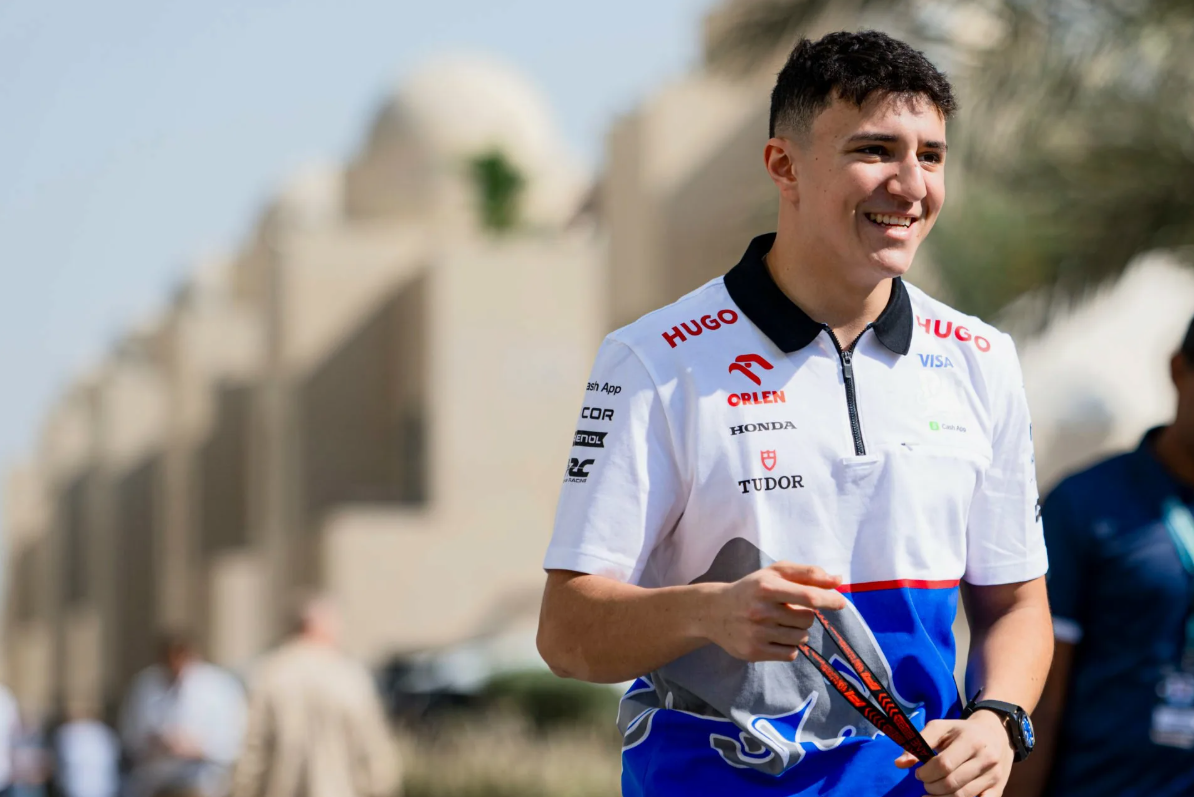
Driver Reaction
After the race, Hadjar openly admitted his mistake and took responsibility.
- Acknowledged the error
- Called the move unnecessary
- Showed respect to his rival
- Focused on learning from the incident
Challenges of Defensive Driving
Defending position in racing requires precision and awareness.
- Proper timing of movements
- Maintaining predictable lines
- Avoiding sudden changes in direction
- Balancing aggression and safety
Even small misjudgments can lead to risky situations.
Incident Analysis
| Aspect | Hadjar’s Move | Ideal Execution |
|---|---|---|
| Timing | Late | Early and controlled |
| Risk | High | Managed |
| Stability | Uncertain | Smooth |
| Outcome | Criticism | Clean defense |
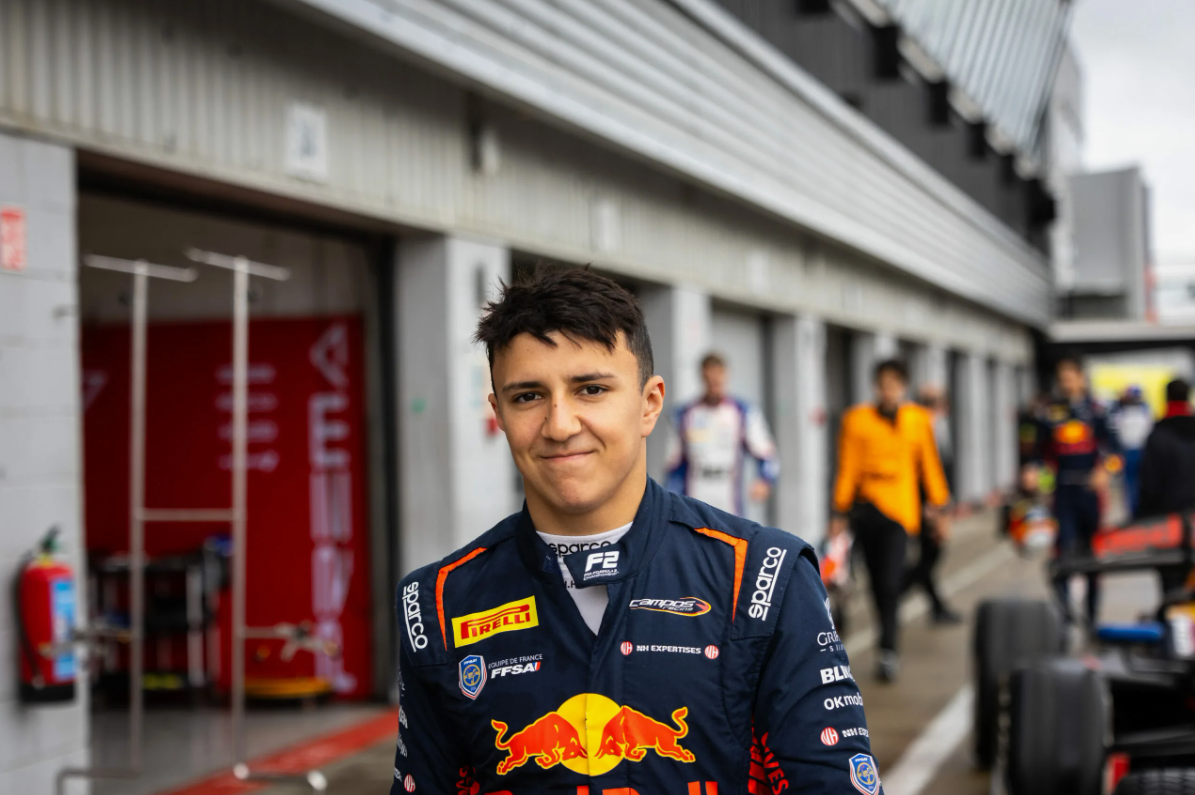
Lessons for Improvement
This situation provides valuable experience for a developing driver.
- Better anticipation of rivals
- Improved decision-making under pressure
- More controlled defensive tactics
- Greater consistency in race situations
Conclusion
The incident highlights how demanding Formula racing can be, especially in close battles. While mistakes are part of the learning process, the ability to recognize and correct them is essential for long-term success.


No Comments