

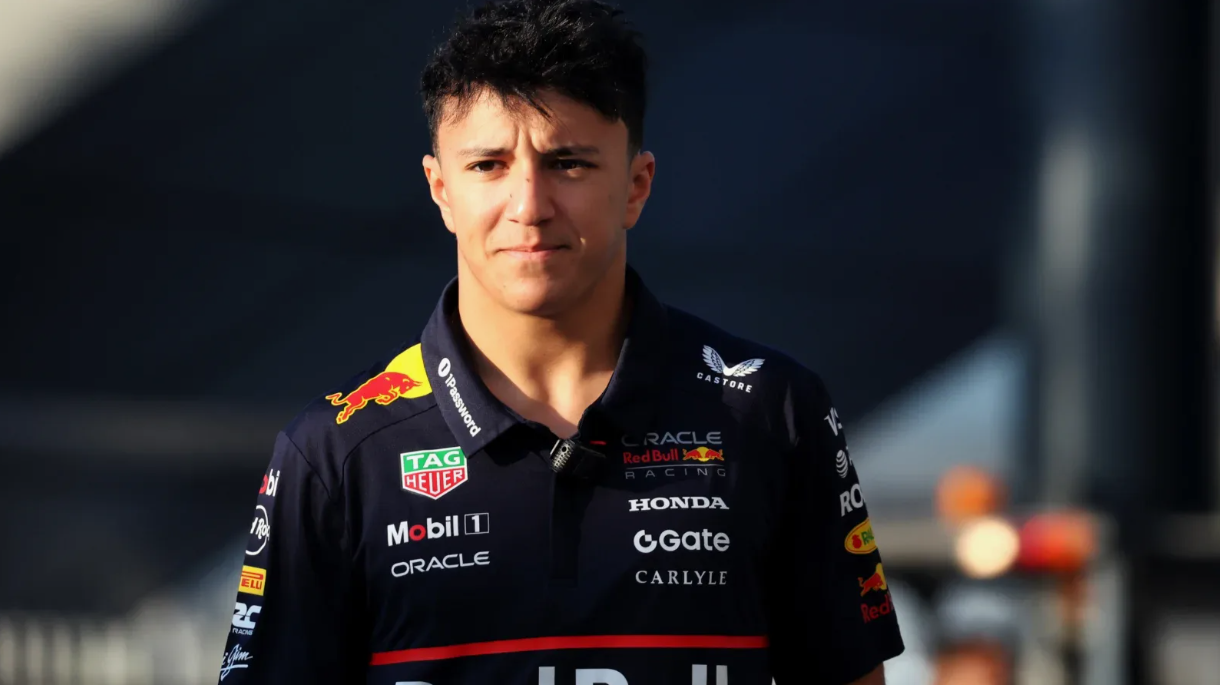
Isack Hadjar received a penalty during the Canadian Grand Prix, with officials later clarifying the exact reason behind the decision. The case highlights how strictly racing rules are enforced at the highest level.
Race Incident Overview
The penalty followed an on-track situation that required review by race stewards.
- Incident occurred during an intense race battle
- Involved close interaction with another driver
- Reviewed using video and telemetry data
- Decision based on official racing regulations
Such situations are common in highly competitive environments.
Reason for the Penalty
Officials determined that Hadjar’s actions did not fully comply with racing standards.
- Incorrect positioning during a maneuver
- Insufficient racing space given to a rival
- Attempt to gain advantage outside regulations
- Breach of driving conduct rules
Impact on Performance
The penalty had a direct effect on the race outcome.
- Time added to final result
- Loss of positions
- Reduced chances of scoring points
- Increased pressure from team and media
Regulation Standards
Racing rules are designed to ensure fairness and safety.
- Clean and predictable driving
- Respect for competitors
- Maintaining proper racing lines
- Avoiding dangerous maneuvers
Incident Breakdown
| Aspect | Hadjar’s Action | Expected Standard |
|---|---|---|
| Positioning | Incorrect | Controlled |
| Racing Space | Limited | Sufficient |
| Advantage | Unfair attempt | Fair competition |
| Outcome | Penalty | Clean racing |
Lessons Learned
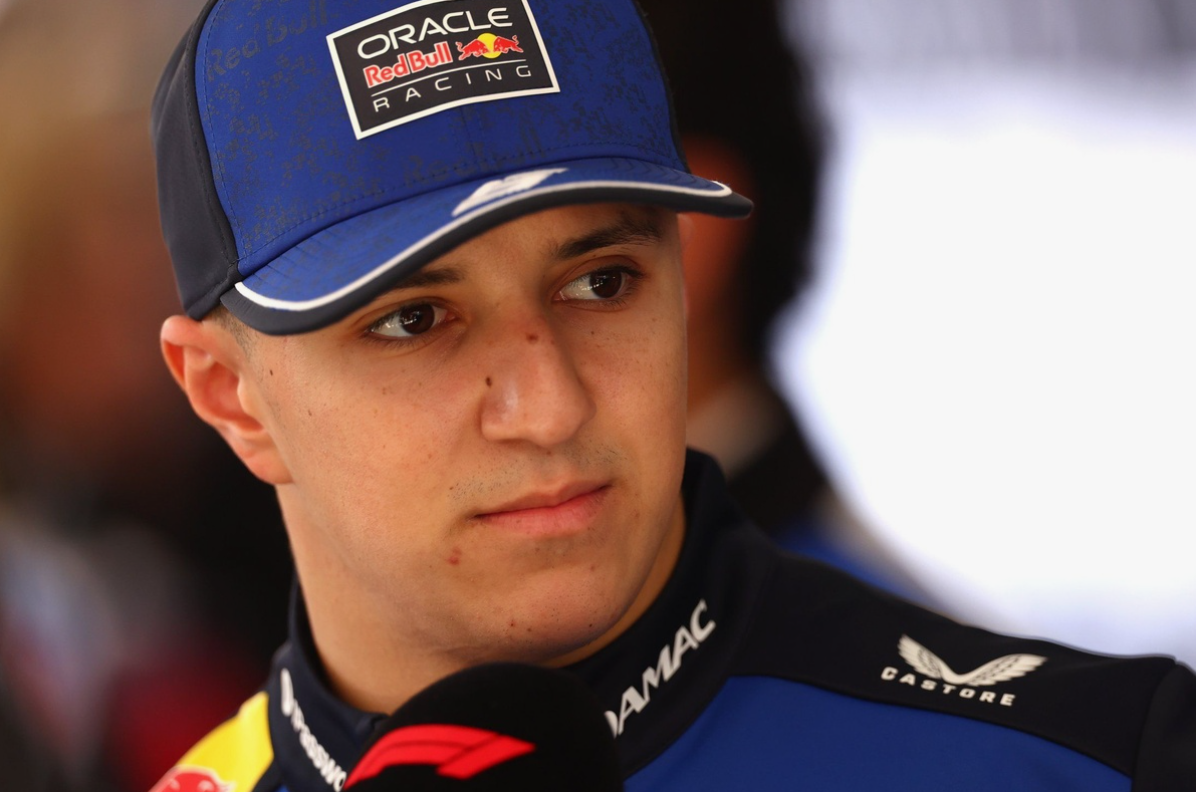
For a developing driver, this situation offers important lessons.
- Improve awareness in close battles
- Make better decisions under pressure
- Follow regulations more precisely
- Reduce unnecessary risks
Conclusion
The explanation behind Isack Hadjar’s penalty shows how critical precision and discipline are in motorsport. Even small mistakes can lead to penalties, making consistency and control essential for success.



No Comments