

Aston Martin giving Jak Crawford another FP1 outing in Austria turns a young-driver obligation into a useful development marker.
The run matters because FP1 mileage is not only about track time. It lets a team test communication, feedback quality and how quickly a junior adapts to a live Grand Prix programme.
What the update actually changes
The opening fact is direct: crawford is set for another Aston Martin FP1 outing in Austria. It is not a loose talking point; That makes the outing more serious than a ceremonial appearance, and it changes how the next result will be judged.
The broader reading is about Aston Martin using a mandatory young-driver session as a real audition rather than a box-ticking exercise. The session gives him a second chance to prove he can absorb a Grand Prix run plan. That puts the update inside a live competitive argument instead of leaving it as a record-book note.
Where the pressure appears
Aston Martin can compare his feedback against established race drivers. The consequence is practical: that comparison can show whether his language matches the team’s needs. The team, driver or event involved now has to prove that the same detail can survive a less friendly weekend.
Austria’s short lap gives less time to settle into rhythm. That is where short-lap traffic, run-plan discipline, feedback quality and how Crawford settles before the tyre window closes become more important than the headline itself.
Traffic management will be a real part of the session. A junior has to learn that quickly at the Red Bull Ring. The useful question is not whether the update sounds impressive, but whether it gives the next session or match a clearer shape.
Key details
| Area | Detail |
|---|---|
| Driver | Jak Crawford |
| Team | Aston Martin |
| Session | Austria FP1 |
| Main test | clean execution and useful feedback |
Why the detail matters beyond the headline
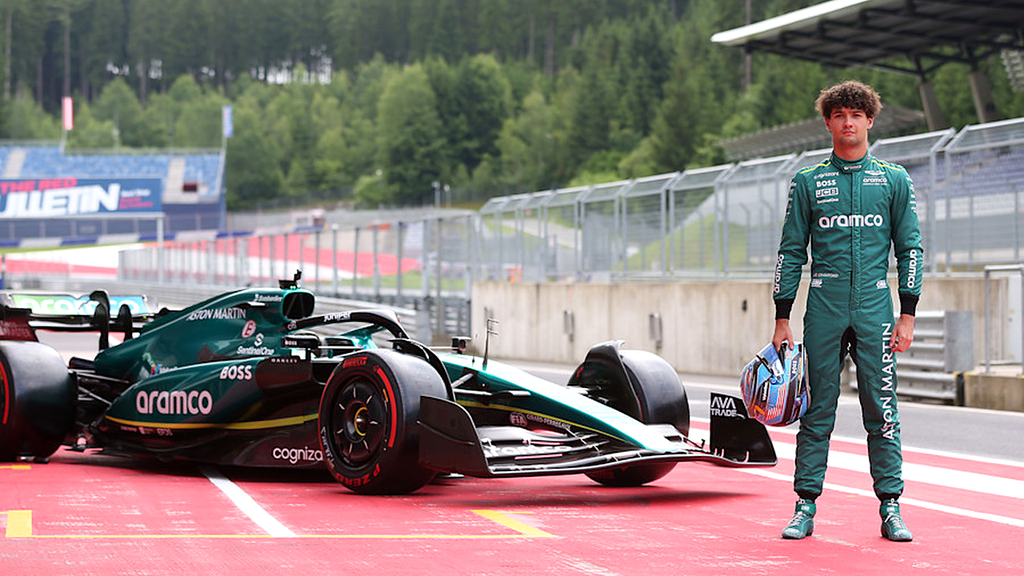
Junior mileage matters more when the team are assessing future depth. Aston Martin are building a longer-term picture, not only filling a regulation slot. That detail is the bridge between what has already happened and what the paddock or fan base will measure next.
A clean FP1 helps the team without compromising the race weekend. That is why the run plan has to stay disciplined. A single event can start the discussion, but repeatability decides whether the story becomes part of the season’s direction.
The value of the run depends on precision rather than headline lap time. The stopwatch alone will not tell the whole story. It also explains why the next checkpoint cannot be treated as routine.
FP1 opportunities have become one of the quietest but most useful audition tools in Formula 1. The car is real, the programme is real, and the pressure is different from a private test.
Crawford’s Austria run gives Aston Martin a cleaner second data point. One outing can be explained by nerves or novelty. Two starts to show patterns.
The Red Bull Ring is a good place for that because the lap is short and the margins compress quickly.
If Crawford gives stable feedback, protects the tyres and avoids disrupting the team’s race preparation, he will have done the job.
A spectacular lap would be welcome, but the more important target is trust.
Aston Martin’s future-driver picture will not be decided by one Friday morning, yet Austria can make the next discussion much easier.
The next proof point
The cleanest thing to watch is whether Crawford gives engineers information they can use after FP1 instead of only a headline lap. If that part holds, the update becomes evidence; if it fades, the story will be remembered as a short burst of momentum.
For readers, the useful frame is simple: keep the named result in view, then follow the next technical or competitive reaction. That is where the real value of the news sits.
Crawford’s Austria FP1 is a small calendar item with a bigger purpose. Aston Martin need evidence that his pace and feedback can live inside a real weekend.
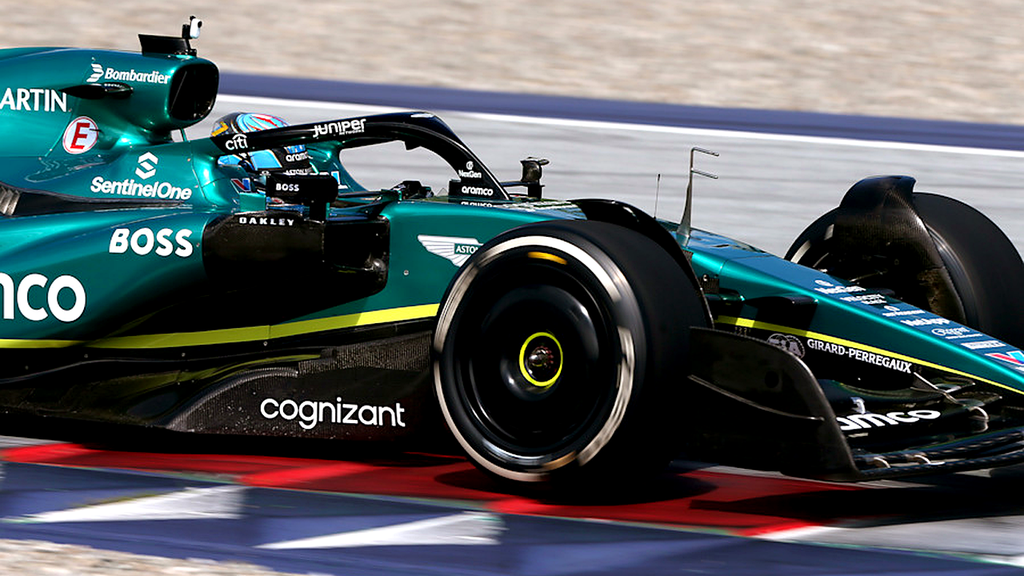
The next useful measurement is short-lap traffic, run-plan discipline, feedback quality and how Crawford settles before the tyre window closes. That area will decide whether the headline turns into a pattern, because every following run gives teams and rivals more evidence to test.
What makes the update worth following is the gap between the public headline and the working detail behind it. The headline names the moment; the working detail decides whether the moment has competitive life.
Another part of the story sits inside short-lap traffic, run-plan discipline, feedback quality and how Crawford settles before the tyre window closes. If that element improves, the same news begins to look like the start of a trend rather than a single strong day.
The season will not remember the announcement alone. It will remember whether the people involved can repeat the same standard when the track, opponent or format becomes less comfortable.
The pressure is also psychological. Once a result or rule change receives this much attention, the next mistake is judged faster and the next clean response carries more value.
That is why the follow-up should be read through execution. A clean next step would give the original story stronger roots; a messy one would make it feel temporary.
There is also a strategic layer attached to short-lap traffic, run-plan discipline, feedback quality and how Crawford settles before the tyre window closes. Teams can talk around a story for only so long before timing, preparation and decision-making reveal the real level.
For fans, the best way to read the situation is to ignore the noise for one session and watch the measurable details. Those details usually explain whether the reaction is justified.
The useful comparison is not with the loudest headline from the same week. It is with the next moment where the same weakness or strength appears under pressure.
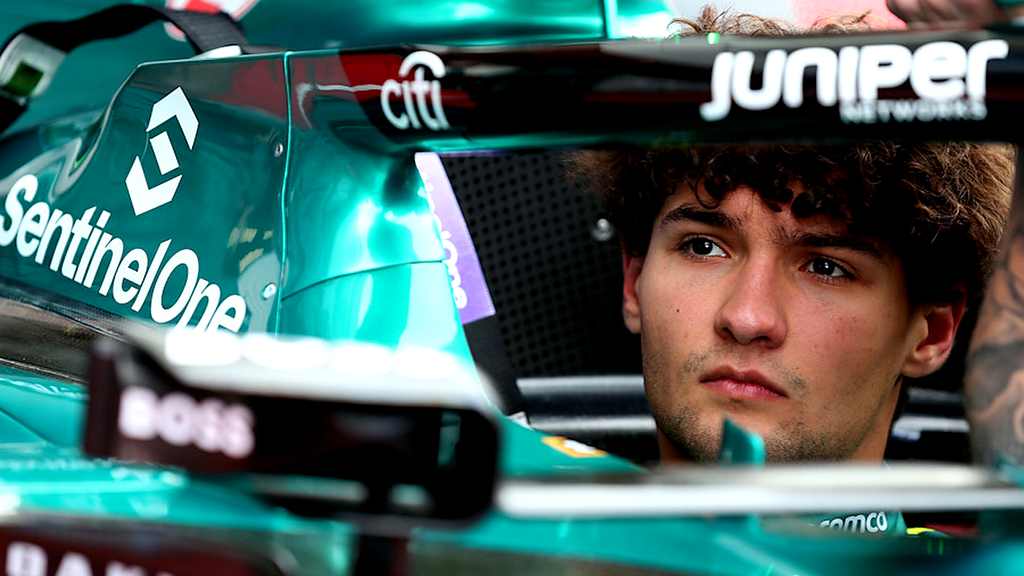
If the next answer is precise, the story gains depth. If it is loose, the current update will remain interesting but not decisive.
Another reason to keep the story open is that Aston Martin using a mandatory young-driver session as a real audition rather than a box-ticking exercise. That context gives the next competitive decision a sharper edge than the headline can show by itself.
The strongest follow-up would be a weekend or series where the same theme appears again without needing explanation. That kind of repetition is what turns news into form.
There is still room for the picture to move. One clean result can be persuasive, but the next mistake, delay or strategic call will show how much of the change is durable.
That makes the short-term reaction important. A team that understands the detail will protect it early; a team that treats it as background will probably give rivals a chance.
The working context also changes how supporters read the story. They are not only looking for a name or statistic; they want evidence that the next step has been prepared properly.
That evidence should come from the small areas first: preparation, communication, and the ability to adjust before the pressure becomes visible on the scoreboard or timing screen.
The most valuable part of the update is that it gives the next event a testable question. If the answer is clear, the original news will feel stronger in hindsight.
If the answer is uncertain, the story still has interest, but it will need a second proof point before it changes the wider season conversation.
This is also why the detail should not be separated from short-lap traffic, run-plan discipline, feedback quality and how Crawford settles before the tyre window closes. Those working areas are where a public story becomes a practical advantage or loses force.
The next reaction will tell us whether the people involved are managing the story or being managed by it. That difference is often visible before the final result arrives.


No Comments