
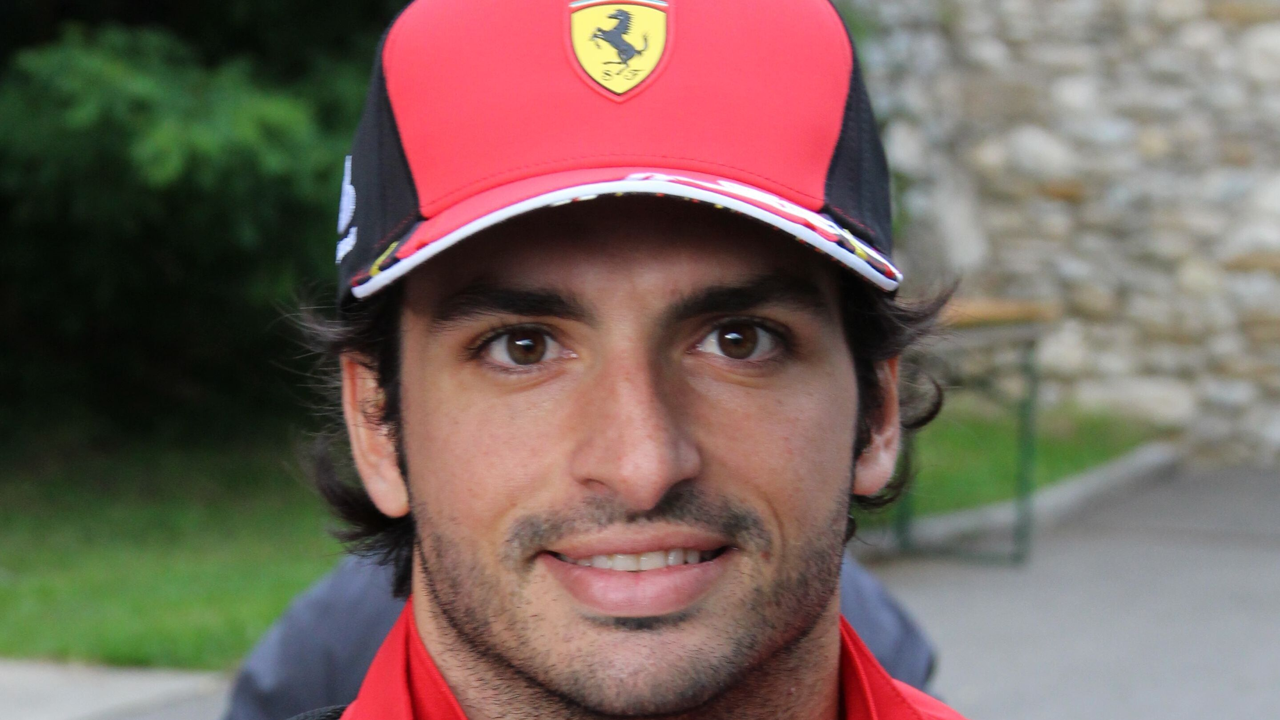
A season that has tested Carlos Sainz
Carlos Sainz arrived at Williams expecting a fresh chapter. What he has found through the first seven races of 2026 is a far harder story. The Spaniard sits 14th in the drivers’ standings with just six points to his name, and the early months have asked questions of his patience, his results, and even his belief in the project he signed up to lead.
Williams have managed roughly 11 points across the opening seven rounds, leaving the team eighth in the constructors’ championship. For a driver who closed out 2025 with podium finishes, the contrast between that late surge and this slow start has been stark. Sainz himself admitted the slump “tested his faith” in the team after he began the new year around two seconds off the pace.
The numbers behind the struggle
The shape of Sainz’s campaign is easy to read in the cold figures. He has scored only on rare occasions, and every points finish has felt hard-won rather than routine. The standings tell the same tale a different way.
| Metric | 2026 status |
|---|---|
| Drivers’ standings | 14th |
| Sainz’s points | 6 |
| Williams team points | ~11 |
| Constructors’ position | 8th |
| Best finish | 9th (Chinese GP) |
Those numbers do not flatter a driver of Sainz’s experience. Yet they also do not capture the full picture of a season in which the car, more than the man, has often been the limiting factor.
A “mini victory” in China
The highlight, such as it was, came at the Chinese Grand Prix. Sainz brought the car home ninth to claim Williams’ first points of the year, a result he described as a “mini victory” given everything the team had been wrestling with. In a campaign short on celebrations, scoring at all carried real weight, both for Sainz personally and for a garage searching for signs that the hard work was beginning to pay off.
It was a reminder of why Williams wanted him. Even with a difficult machine, Sainz found a way to extract a finish that the raw pace did not obviously promise. The points were modest, but the message to the team was clear.
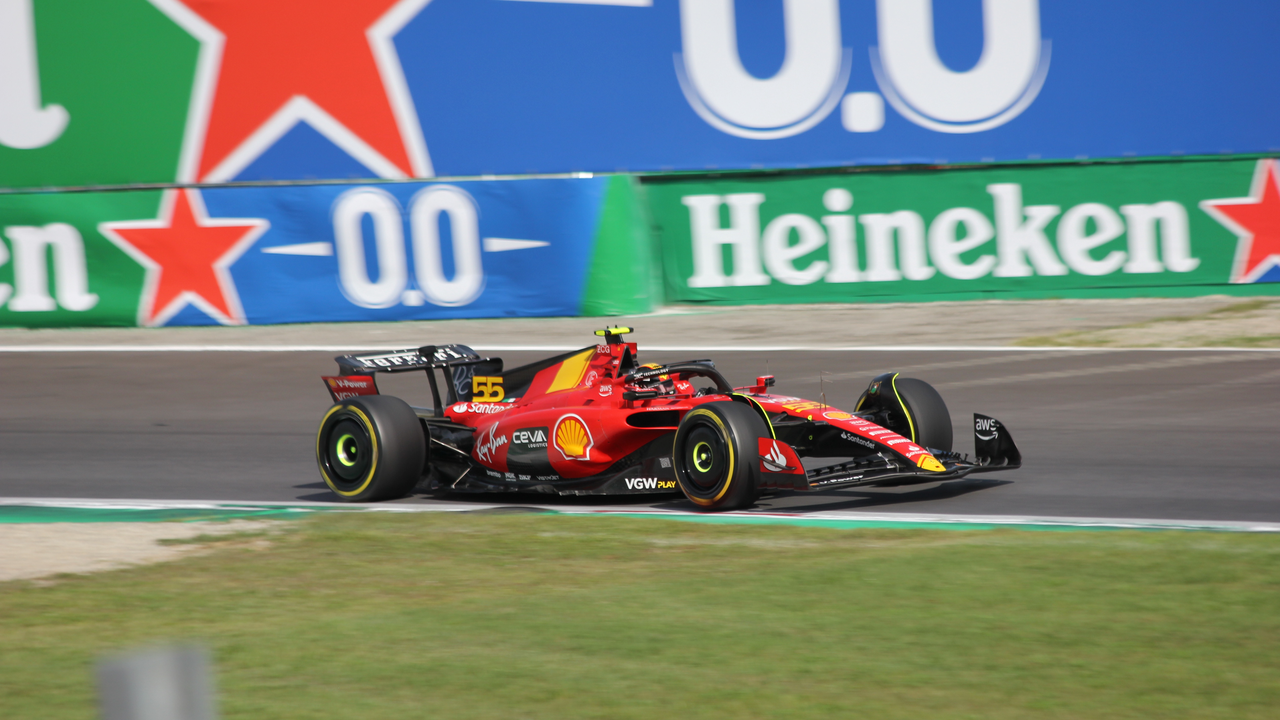
Monaco: from points to “borderline unacceptable”
If China offered a lift, Monaco delivered the season’s cruelest blow. Sainz was running 10th and firmly on course for points when contact ended his afternoon. The retirement was not of his making, and his verdict was blunt: he called the incident “borderline unacceptable”.
Few circuits punish lost opportunity like the streets of Monte Carlo, where overtaking is rare and track position is everything. To be inside the top ten there, only to be denied by contact, summed up a year in which fortune has rarely sided with Sainz. The frustration in his words reflected a driver who knows how few chances a car like this one hands him.
The car at the heart of it
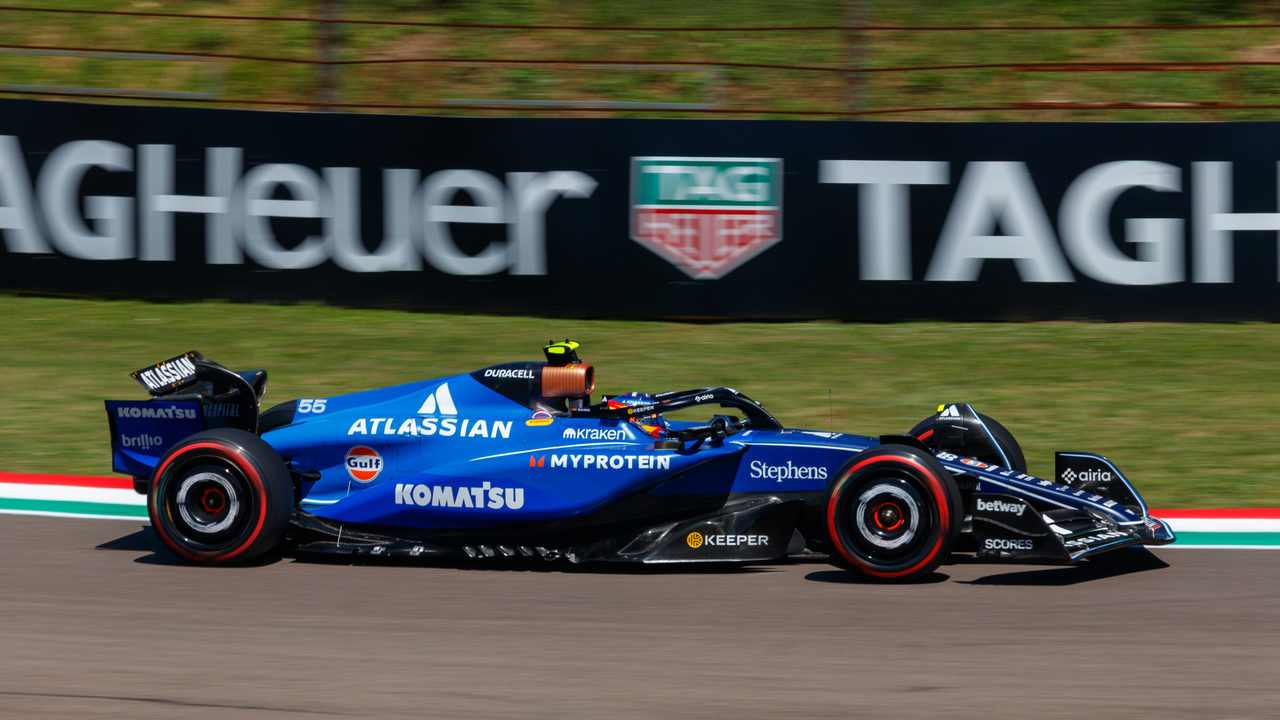
The root of the problem lies with the Williams FW48. By Sainz’s own reckoning and the evidence on track, the car has lacked downforce and carried excess weight, a combination that has left it off the pace from the opening rounds. Aerodynamic shortfalls and a heavier-than-ideal package are a brutal mix in modern Formula 1, where tenths of a second decide whole grids.
That deficit explains the roughly two-second gap Sainz spoke of at the start of the year. It is not a margin a driver can simply will away. It is a structural issue that the team must engineer out of the car, race by race, upgrade by upgrade.
Faith tested, but consistency intact
For all the disappointment, Sainz has refused to frame 2026 purely as a write-off. He has gone as far as to say it has been one of his strongest seasons on consistency, a striking claim given the meagre points haul. The two ideas are not in conflict. Consistency in a slow car often means extracting the maximum on offer, even when the maximum is a lower-order finish or no finish at all through no fault of his own.
The admission that the run tested his faith is significant precisely because Sainz has stayed publicly committed. Coming off 2025 podiums into a campaign that started so far adrift was always going to be a jolt. That he continues to talk about the project in constructive terms suggests the belief, while tested, has not broken.
The wider Mercedes-aligned grid offers context for how fine the margins are this season, with rivals reading conditions and details closely. Mercedes themselves have been navigating their own questions, from George Russell’s push for a clean reset to how the team manages the smaller details that separate the front from the midfield. The likes of George Russell chasing a smooth weekend to reset Mercedes and Antonelli calling Barcelona tricky as Mercedes searched for a clean answer show that even better-placed teams are fighting for clarity.
What Sainz needs next
The path forward is straightforward to describe and hard to deliver. Williams need to add downforce and shed weight from the FW48 so that Sainz has a platform worthy of his racecraft. Until then, points will keep coming in ones and twos, and every clean finish will feel like an achievement.
The emphasis on controlling the controllable runs through the whole grid, as analysis of how drivers must win through the small details underlines. For Sainz, that has meant wringing finishes out of a recalcitrant car and keeping mistakes to a minimum, exactly the consistency he has highlighted.
Next stop: the Austrian Grand Prix
Attention now turns to the Austrian Grand Prix on 28 June, the next chance for Sainz and Williams to convert effort into reward. The Red Bull Ring’s mix of long straights and quick corners will test the FW48’s weaknesses, but it also offers the kind of opportunity a consistent driver can seize if the car cooperates.
Sainz’s 2026 so far has been a study in resilience: a “mini victory” in China, heartbreak in Monaco, and a steady refusal to let a difficult car define his attitude. Whether the points start to flow depends largely on the machinery beneath him. The driver, on the evidence of his own words, is ready the moment it does.
No Comments