
Cadillac left Silverstone with a more useful first read of its Formula 1 project. Without a public time gap in the text, the safest conclusion is about process, not confirmed pace.
The signs matter because they gave the team a clearer question
A new Formula 1 team can easily hide behind long-term language. Cadillac cannot do that forever. Silverstone gave the project a useful reference, but the text should not turn that into a hard pace claim without a time, sector or position to support it.
That difference is important for drivers and engineers. If a team feels lost, feedback becomes vague and every run sounds like a different problem. If the picture is clearer, the garage can split the work into parts. Straight-line drag, tyre warm-up and low-speed traction can be treated as separate jobs, not one large complaint.
Cadillac should not oversell the weekend. It should still value it as a data point. Early progress is useful when it gives people a reason to trust the process, but the public verdict has to stay careful until the numbers are shown.

Bottas and Perez give the project a steady language
The value of an experienced pairing is not only in race craft. It is in the language used after a run. Valtteri Bottas and Sergio Perez can explain whether a car is slow because it lacks load, slides on entry or loses tyre life after one push lap. That kind of detail can save a young team many wrong turns.
Silverstone is a strong test for that language. Fast corners expose confidence. Changing wind exposes platform control. Long traction zones show whether the rear tyres are being protected. If both drivers describe the same weakness in different words, the engineering group can find the shared truth inside the feedback.
This is where Cadillac’s target becomes honest. The team are not trying to act like a front-runner. They are trying to become a serious midfield participant. That starts with a car that gives the same answer often enough for experienced drivers to build around it.
| Cadillac area | Main point |
|---|---|
| Best sign | Cadillac can use Silverstone as a careful reference point. |
| Driver value | Bottas and Perez can turn early problems into precise feedback. |
| Next target | The team need repeatable steps before points become realistic. |
The midfield will not wait
The hardest part of the climb is that the midfield is not still. Haas, Williams, Alpine and others are also searching for small steps. Any step Cadillac believes it has found can disappear if another team brings a cleaner floor or solves a tyre problem. The target moves every month, so the new team need a rhythm, not only one good weekend.
That rhythm should be built around repeatable work. Bring one part, measure it clearly, decide quickly and keep the drivers away from mixed messages. A young operation can lose weeks by testing too many ideas at once. It can also lose trust if the same upgrade is described as positive before the data supports it.
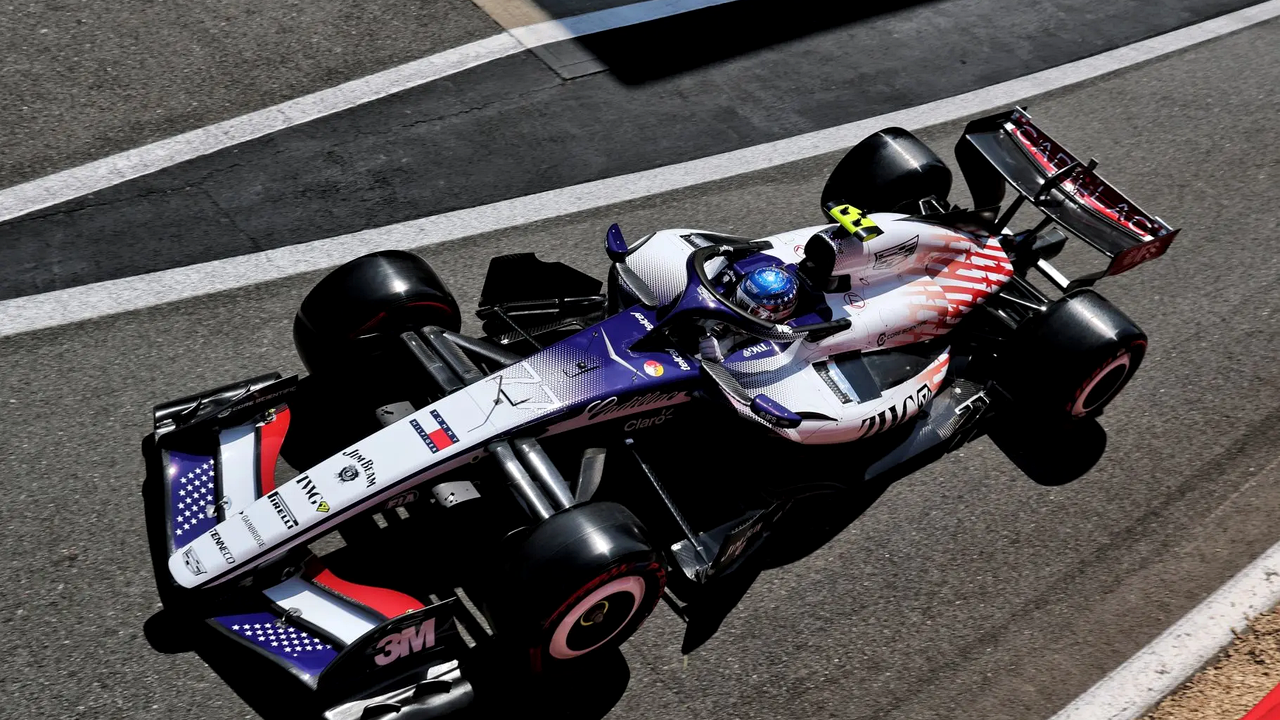
The better route is slower but stronger. Cadillac need a car that improves in clean layers. If the front wing helps entry, protect that step. If a floor change helps high speed but hurts traction, explain the trade. This kind of honesty makes a new team look serious even before the points arrive.
Strategy can become a hidden test
When pace is limited, strategy becomes a clean way to measure discipline. A new team may not fight the top ten on raw speed every Sunday. It can still make strong pit calls, avoid bad traffic and choose tyres well. That work builds habits before the car is ready for bigger fights.
Silverstone offered a useful lesson because mixed conditions and high degradation can punish indecision. The team had to know when to protect track position and when to choose data for later. Those choices may not look dramatic from the outside, but they decide whether a new group becomes calm under pressure.
Cadillac should treat every midfield race as a live rehearsal. The first points will matter when they arrive, yet the habits that lead to them are being built now. A tidy stop, a correct tyre call and a clear radio message can be small signs of a larger professional shape.
The first season needs a narrow scoreboard
It would be unfair to judge Cadillac only by championship position. A new team need a narrower scoreboard in the early months. Are the gaps closing on similar track types? Are the drivers reporting fewer basic balance problems? Are upgrades staying on the car after testing? These questions say more than a single finish outside the points.
A narrow scoreboard also protects the team from panic. If every weekend is treated as a public verdict, the group will chase headlines. If the team measures the right items, it can accept a hard result without losing direction. That is how a new operation survives the heavy first year.
The fans may want a quick breakthrough, but the useful signs are less loud. A better long run, fewer setup resets and stronger tyre preparation can be more important than one lucky finish. Cadillac’s job is to stack those signs until the points stop looking like an accident.
Silverstone should become a reference point
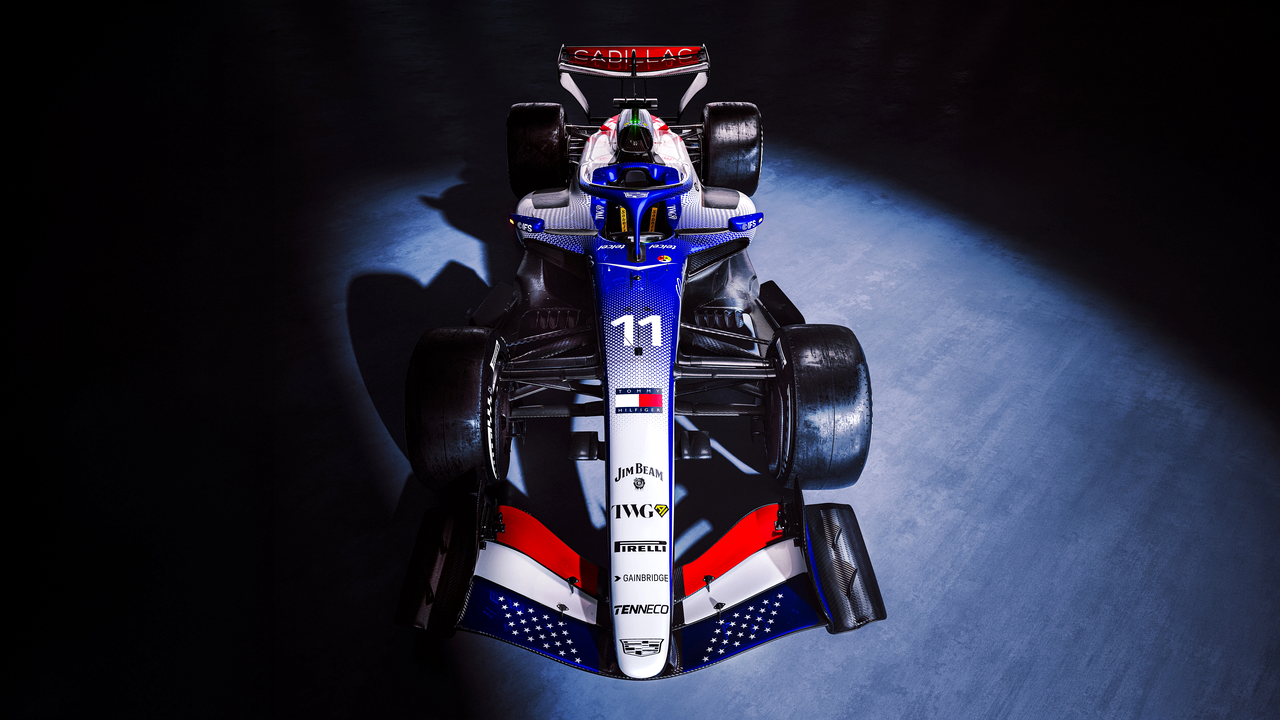
The best use of Silverstone is not celebration. It is reference. Cadillac now have a weekend they can compare against future high-speed circuits. If the same strengths return and the same weaknesses shrink, the team will have firmer evidence. If the next similar track brings confusion, the lesson was not fully understood.
That is why the language after the weekend should stay calm. The project may have a direction, not a finished identity. The drivers can give useful information, but the factory still has to turn it into parts that work on different circuits.
For a new team, that is a respectable place to be. Cadillac do not need to pretend that the midfield door is open. They need to keep pushing until the data makes the next target clear.
The next test needs one clear question
Cadillac should leave Silverstone with a short work list, not a loud public claim. The useful reading is simple: compare driver comments with sensor data and decide which weakness is real enough to shape the next test.
That keeps the project honest. Bottas and Perez can help most when their feedback leads to one clear development choice at a time.
The wording has to stay careful
Cadillac can use Silverstone as a useful check without treating it as a fixed gap. The available source does not include a time, sector or position that would support a hard pace claim.
That is why the safest reading is about process. A new team earns trust when the feedback sounds precise, the test items are narrow and the next development choice follows the evidence instead of the headline.
Bottas and Perez should keep the test language narrow
Cadillac’s experienced drivers are useful only when their feedback stays exact. A broad complaint about pace does not help a new team much. A clear note about entry balance, traction or tyre warm-up can change the next run.
That is the kind of work that makes a careful Silverstone reading valuable. The team can compare driver comments with sensor data and decide which weakness is real enough to shape the next part.

No Comments