
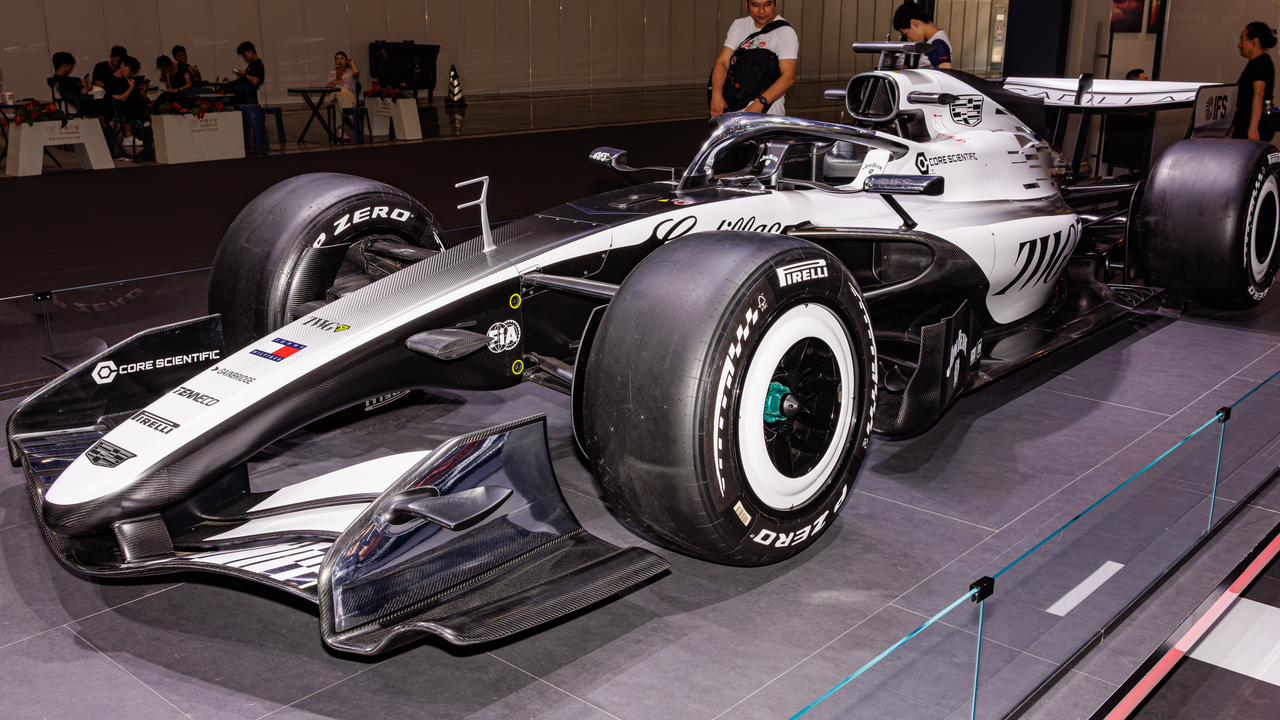
Stars and Stripes in the Paddock: Grading Cadillac’s Historic First Season in Formula 1
When the FIA formally accepted Cadillac’s entry as the eleventh constructor on the 2026 Formula 1 grid, it marked the most significant structural change to the sport’s back end in well over a decade.
For the first time since the short-lived USF1 project collapsed before it ever turned a wheel in 2010, a genuine American works manufacturer was preparing to build, develop and race its own car at the pinnacle of motorsport.
The stakes — commercially, politically and on pure sporting terms — could hardly have been higher.
Now, with the season approaching its midpoint and the paddock preparing to descend on the Red Bull Ring for the Austrian Grand Prix weekend, the time is right to take stock.
Cadillac have made history simply by arriving. The question that defines their long-term legacy is whether that arrival will look like a foundation stone or a footnote.
The Long Road to the Grid
It is worth remembering just how protracted Cadillac’s path to Formula 1 actually was.
General Motors and Andretti Global spent the best part of three years battling an existing constructor bloc that was deeply reluctant to welcome a new revenue-sharing rival, regardless of what the FIA’s own due-diligence process concluded.
The approval, when it finally arrived, was hard-won and came loaded with conditions around infrastructure benchmarks and staffing targets that Cadillac had to meet on a punishing timeline.
The team chose to base their technical operations in Silverstone, giving them immediate access to the engineering talent pool that clusters around the Northamptonshire corridor.
A new wind-tunnel facility was central to the FIA’s sign-off, and Cadillac invested heavily to ensure it was operational in time for meaningful pre-season aero correlation work.
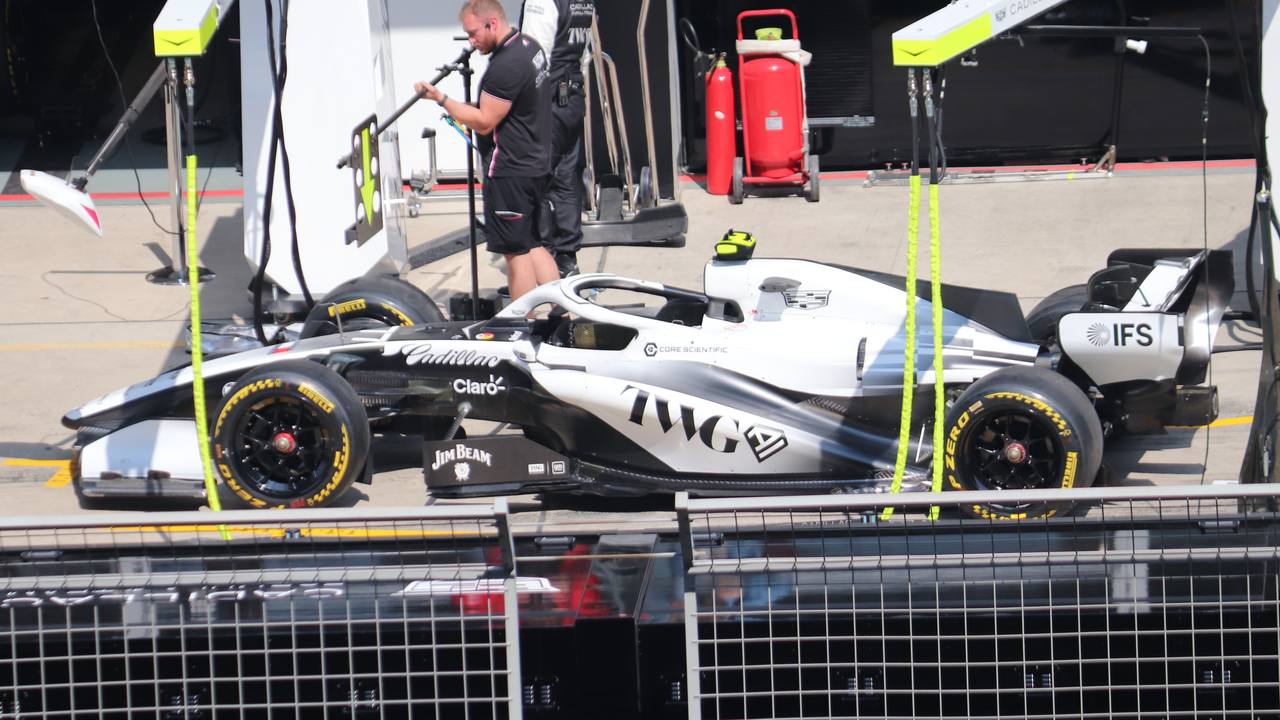
By the standards of any greenfield team build, the pace of construction was remarkable — though insiders acknowledged that corners were not always easy to find when starting from scratch while the rest of the grid was already deep into their 2026 regulatory projects.
The 2026 season itself arrived with a completely revised technical framework: all-new aerodynamic regulations combined with an overhauled power-unit formula emphasising a dramatically increased electrical component.
That shift was supposed to compress the field and give new entrants a fighting chance. Whether it has fully delivered that promise for Cadillac is a nuanced story.
The Power-Unit Question
One of the most consequential decisions any constructor makes is its choice of engine partner, and Cadillac’s arrangement for 2026 has attracted sustained scrutiny.
Running a customer power unit while the likes of Mercedes, Ferrari and — at significant cost — Audi have their own works machinery means Cadillac entered the season knowing that chassis performance would need to overperform simply to stand still relative to the works teams.
The new regulations’ heavier reliance on electrical deployment made that calculus even more delicate: power-unit efficiency can swing lap times considerably under the 2026 formula.
The positive framing is that Cadillac were never naive about this reality.
Chief technical staff publicly positioned the early races as a data-gathering exercise, with the team’s own power-unit programme — a long-term ambition tied to GM’s involvement — understood to be a future aspiration rather than an immediate deliverable.
Learning how to integrate a supplied unit optimally into a chassis of their own design is genuinely complex, and the early signs suggest the engineers have approached it with pragmatism rather than impatience.
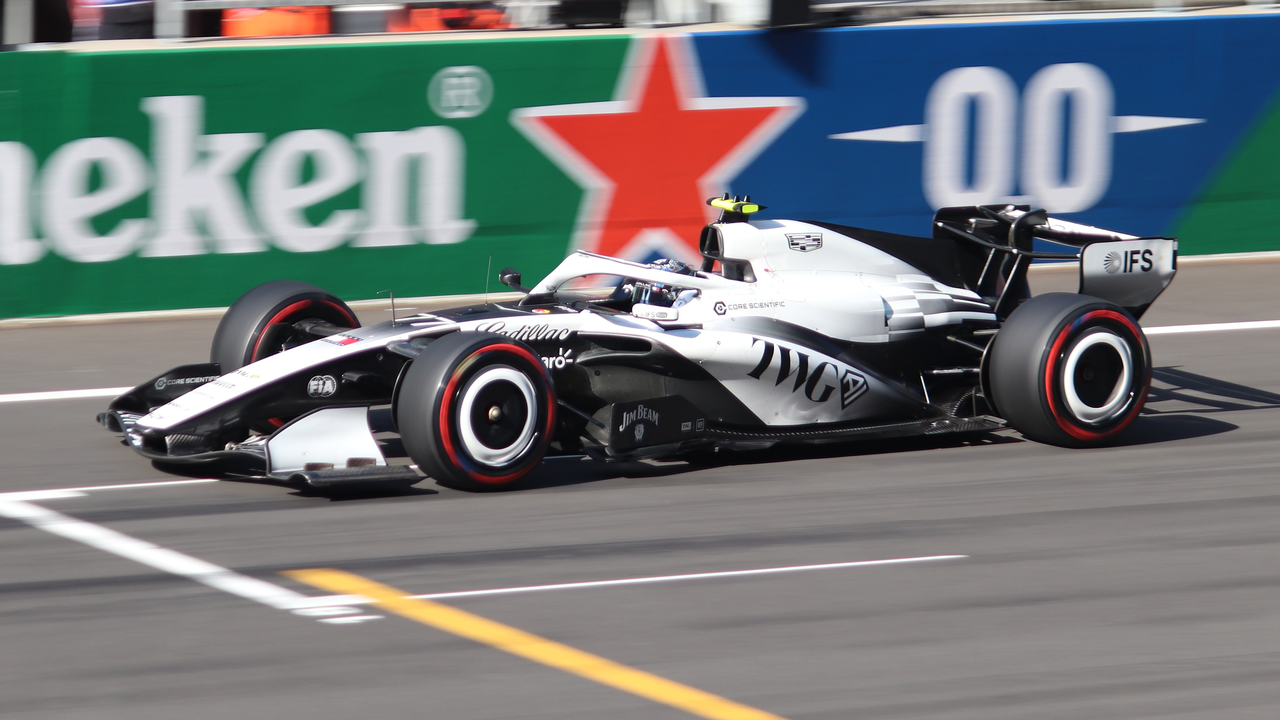
It is also worth noting that even Audi, the other major new regulatory-era entrant, arrived with their own works unit and the backing of one of the world’s largest automotive groups, yet the Hulkenberg-Bortoleto line-up has faced its own teething difficulties as the Swiss-based operation tries to bed in.
New is hard, whatever badge sits on the engine cover.
What the Points Table Tells Us
The 2026 Drivers’ Championship standings, as of the week of the Austrian Grand Prix, tell a story dominated by the established heavyweights. Kimi Antonelli leads for Mercedes on 156 points, with Lewis Hamilton’s Ferrari a significant but not insurmountable 41 points behind in second.
George Russell, Charles Leclerc, Lando Norris, Oscar Piastri and Max Verstappen fill out the top seven — a roster that reads like a who’s who of pre-existing factory programmes.
| Pos | Driver | Constructor | Points |
|---|---|---|---|
| 1 | Kimi Antonelli | Mercedes | 156 |
| 2 | Lewis Hamilton | Ferrari | 115 |
| 3 | George Russell | Mercedes | 106 |
| 4 | Charles Leclerc | Ferrari | 75 |
| 5 | Lando Norris | McLaren | 73 |
| 6 | Oscar Piastri | McLaren | 68 |
| 7 | Max Verstappen | Red Bull | 55 |
Cadillac’s drivers have been operating in a very different world to these names. Points scored have come in the lower reaches of the top ten, opportunistically rather than by right, and the Constructors’ standings reflect the reality of a team still finding its pace.
That is not a damning verdict — it is precisely the trajectory almost every successful constructor has followed in their early years — but it does mean the pressure to demonstrate upward momentum is constant.
The metric Cadillac’s hierarchy will point to most readily is improvement across the season.
Whether the gap to the midfield is tightening race by race is arguably more meaningful than any individual result at this stage, and early indications from technical debriefs suggest the correlation between their simulation tools and on-track data has been improving steadily.

No Comments