
Belgian GP week opens with the usual Spa-Francorchamps question: how much of the plan will survive the sky. The race-week guide points to weather, title pressure and the final double-header before the August break as the real shape of the weekend.
That gives teams a simple but uncomfortable job. They need a car that is fast through the long lap, stable over the kerbs and calm if rain turns Friday data into guesswork. The best package may not be the one that looks sharpest in a dry first run.
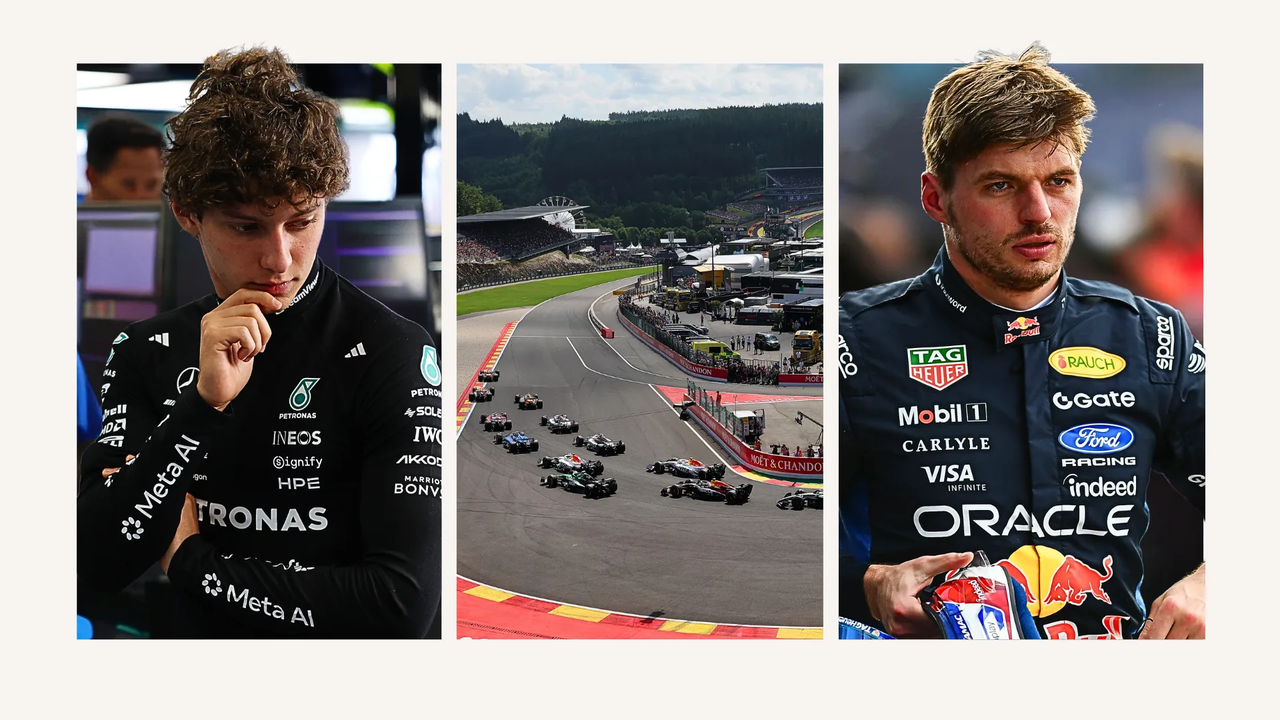
Weather changes the value of practice
Spa-Francorchamps makes Friday information fragile because one damp run can make tire numbers look cleaner or worse than they really are. Teams will still measure long-run falloff, but they must keep a second plan ready if the track temperature moves sharply.
The useful read is not only lap time. Brake stability, warm-up speed and how the car behaves when a driver has to abandon a committed line can tell more about race strength than a single purple sector.
The long lap punishes narrow cars
A setup that protects a slow-corner exit can lose too much on the climb and the long straights. A setup that is trimmed for speed can leave the driver exposed in the middle sector if the rear tire never settles.
That tradeoff is why Spa-Francorchamps often separates complete cars from cars that only have one clean weapon. The weekend rewards teams that can keep downforce, drag and tire life in the same conversation.
The title race arrives before the break
The preview frames Belgium as the last double-header before the summer pause. That timing makes every risk louder, because a poor call now can sit with a team for weeks.
The schedule side of the same Spa-Francorchamps week sits in Belgian GP timetable gives teams one clean route through Spa-Francorchamps, which keeps the Spa-Francorchamps package focused on track conditions and weekend structure.
The pressure is not only on the leaders. Chasing teams need proof that upgrades and operating changes still work away from their best circuits, and Spa-Francorchamps is a blunt place to hide a weak balance.
| Signal | Meaning |
|---|---|
| Main risk | A wet or mixed session can make dry setup work less reliable. |
| Best early signal | Stable long-run pace with clean tire temperature control. |
| What to avoid | Chasing top speed so hard that the middle sector becomes nervous. |
| Why it matters | Belgium is the last double-header stop before the August break. |
Rain makes driver trust visible
If the weather turns, the driver has to believe the car will answer at high speed before the data fully confirms it. That is a different test from a dry lap where the limits arrive in a more predictable order.
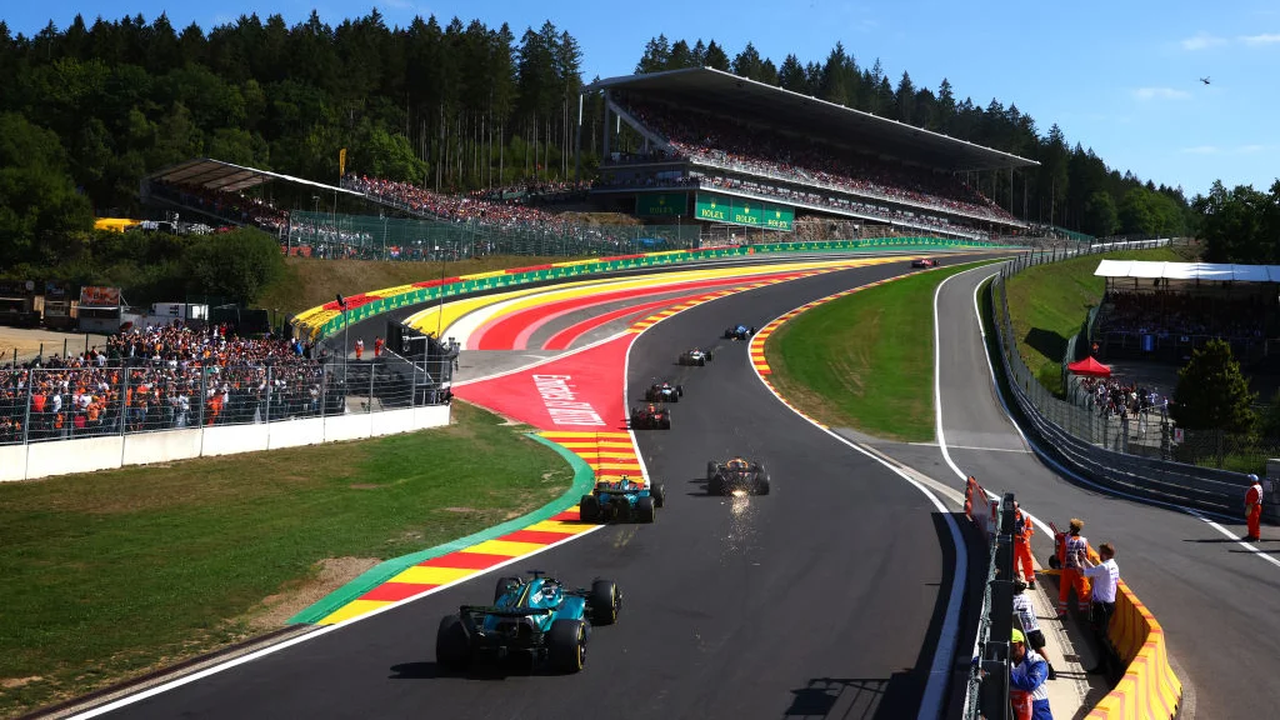
Teams with calm radio, clear tire windows and drivers who can report grip early will have an edge. Confusion on the first wet run can turn into a grid mistake by qualifying.
Strategy starts before Sunday
The Belgian GP is not only about choosing the right race tire. It is about keeping enough flexibility through practice and qualifying so the team is not trapped by one forecast that changed overnight.
That means saving tire sets with care, reading the crossover point properly and deciding when a banker lap is more valuable than chasing the perfect window.
A clean Spa-Francorchamps weekend has no cheap parts
Spa-Francorchamps looks romantic from the outside, but the modern race is built from small technical decisions. The teams that leave Belgium happy will probably be the ones that made fewer dramatic calls, not the ones that made the loudest one.
That is why this week matters before cars even roll out. The event asks whether a team can stay disciplined when the track, the weather and the championship all pull in different directions.
Why the first Spa-Francorchamps read can be misleading
The opening session at Spa-Francorchamps can look clean on the timing page and still hide the real question. A dry lap may flatter a car that is too sharp for the race, while a damp run may punish a car that would be kinder over a full stint. Teams have to read the detail behind the number.
The weather risk also changes how drivers talk to the pit wall. A driver who gives clear feedback after one uncertain run can save the team from a long detour. A driver who only reports the final lap time leaves the garage guessing about balance, tire warm-up and confidence.
The strongest race plan will probably be the one with the fewest fragile assumptions. Spa-Francorchamps asks for speed, but it also asks for a car that can live with traffic, safety-car timing and a sky that may change faster than the strategy sheet.
That is why Belgium works as a setup exam rather than a normal form check. The useful marker is not who looks fastest for ten minutes. It is which team can keep a stable plan when the circuit keeps asking different questions.
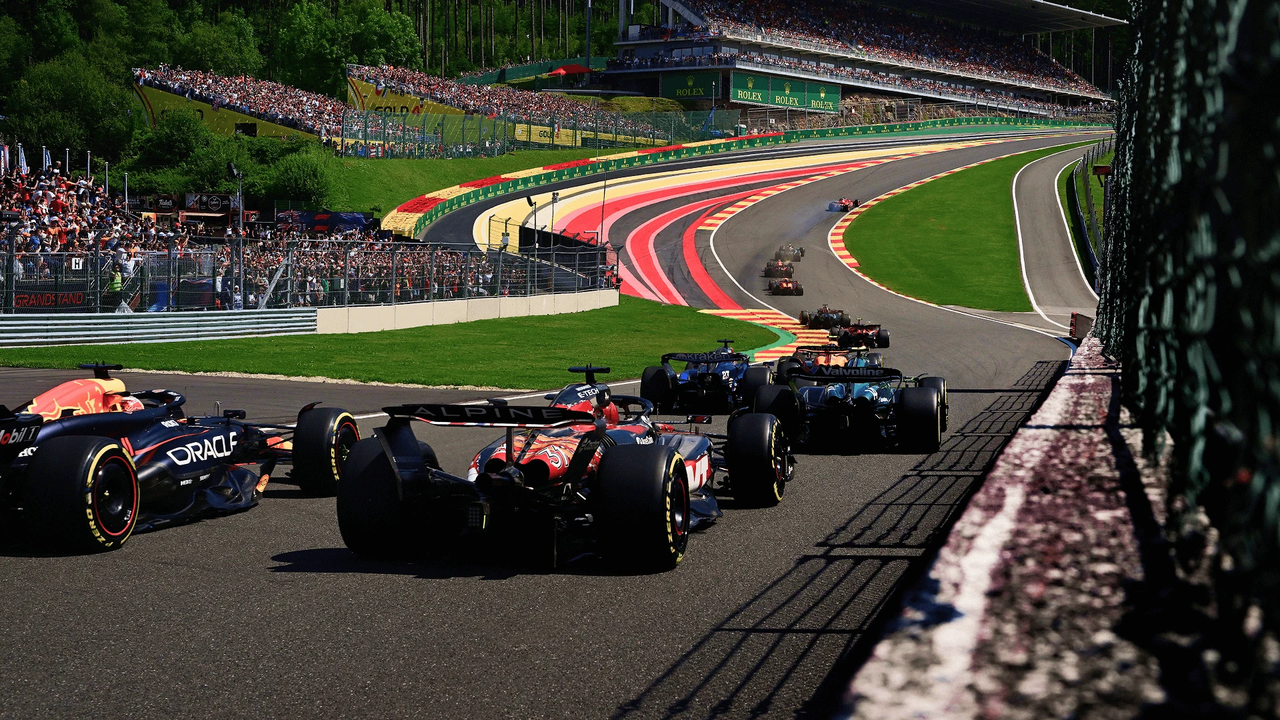
What teams must solve at Spa-Francorchamps
Setup work at Spa-Francorchamps starts with ride height and rear stability. A car that bottoms too often through the fast sections can lose driver trust, but a car lifted too far can give away speed on the long straights. That makes the first dry run important even if rain later changes the surface.
Tire temperature is another practical concern. A damp out-lap can leave the front axle too cold for the first push, while a warmer track can make the rear tires slide before the lap is complete. Teams will compare the first timed laps with longer runs instead of trusting one sector time.
Race engineers also have to prepare for interrupted running. Spa-Francorchamps can produce yellow flags, traffic and weather changes inside the same hour. A team that gathers fuel-load data early has more freedom if the second session is shortened or if qualifying preparation becomes messy.
The strongest garages will keep the driver plan simple: confirm braking stability, test the wing level, protect the tire sets and leave a clear wet-weather choice. If the forecast moves again before Sunday, those basics are the safest route through a difficult Belgian GP week.
Another pressure point is the pit-lane choice between top speed and tire protection. A lower wing can help on the straights, but it can also make the car slide more in the middle sector. If rain arrives, that compromise becomes harder because drivers need a stable rear before they can attack the lap.
Teams will also watch how quickly each compound reaches the working window. A tire that wakes up slowly can hurt qualifying, while a tire that overheats after two laps can damage race pace. Spa-Francorchamps makes both problems visible because the lap is long and the loads are uneven.
If qualifying is wet and the race is dry, the garage will need to separate grid risk from race strength. A safer qualifying setup can protect the car in mixed grip, but too much caution may leave the driver slow on the straights. That is the main compromise behind the Belgian GP weekend.
No Comments