
Alex Albon taking responsibility for his first-lap Silverstone crash gives Williams a clear human moment. The harder team question is what can still be learned from a damaged race used as an upgrade and balance test.
Damage changed the purpose of the race
Albon accepted blame for the early incident, but the Williams weekend did not end with that admission. Once the result was damaged, the team still had to decide what information could be saved.
That is a delicate kind of work. A compromised car can still teach engineers something, but it can also mislead them if the data is treated like a clean sample.
The review therefore has to separate driver accountability from development evidence.
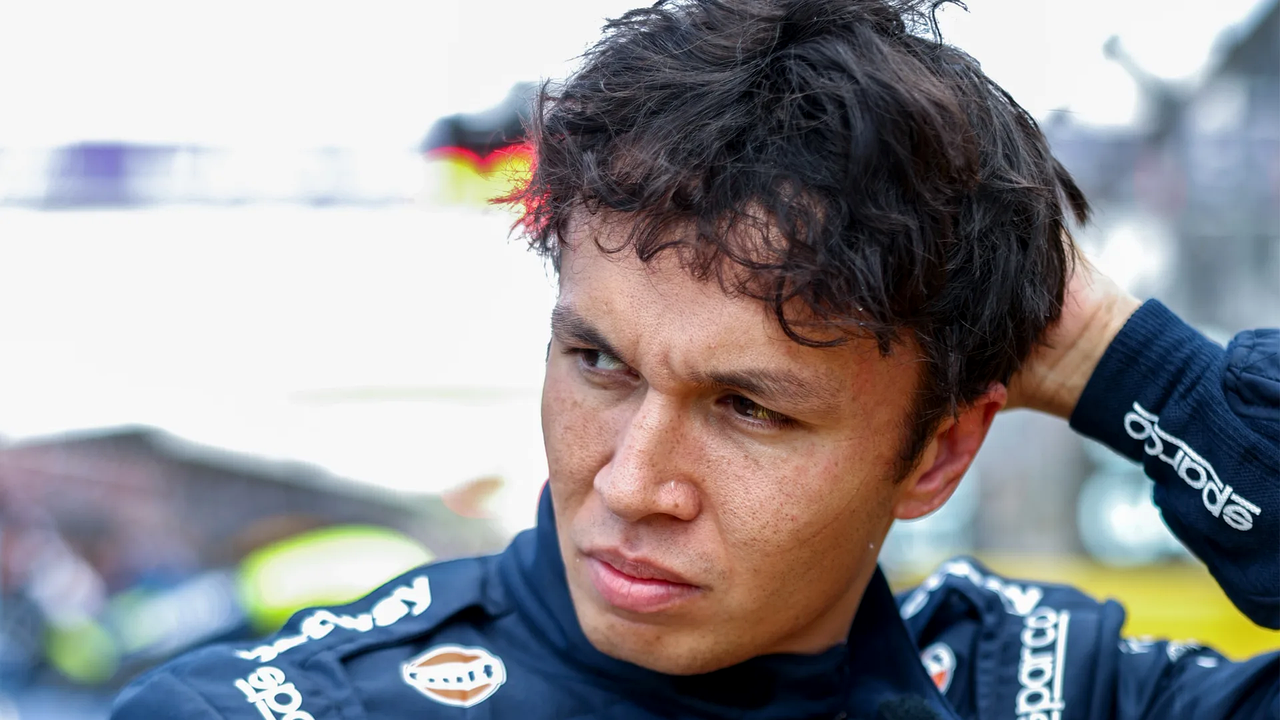
Williams must filter the data
A damaged race cannot be read in the same way as a normal long run. Balance, tyre life and straight-line behaviour may all be affected by the incident.
The team need to ask which feedback matches earlier practice and which feedback belongs only to the damaged car. That is how a bad afternoon becomes useful without becoming dangerous.
The worst outcome would be changing the upgrade path because of evidence that was never clean.
| Albon note | Main note |
|---|---|
| Incident | Albon accepted blame for a first-lap crash. |
| Team response | Williams used the run for upgrade information. |
| Main caution | Compromised data needs careful filtering. |
| Next check | A clean weekend with the same parts. |
Also read: Ferrari’s Sixteen Silverstone Wins Put Leclerc’s Return in a Deeper Frame. More news: Leclerc Tops British GP Power Rankings as Judges Reward Ferrari Precision.
Albon’s honesty helps the debrief
A clear admission can make the meeting shorter. It removes the need for a blame argument and lets the team move toward the practical questions.
That does not erase the cost of the crash. It simply gives the garage a cleaner starting point for review.
Williams need that clarity because the midfield leaves little time for emotional noise.
Sainz gives the comparison point
The other car matters because it can show which parts of the weekend were true package signals. If Sainz felt the same limitation without the same damage, the engineers have a stronger clue.
If the two cars point in different directions, Williams should be careful before making a large conclusion.
That comparison is where the upgrade test becomes more than a damaged-race story.
The midfield makes every read expensive
Williams are close enough to rivals that one wrong development call can cost several weekends. That is why the Silverstone review should stay narrow.
The team do not need to prove a grand lesson from a messy race. They need to protect the useful data and ignore the noise.
A calm response now is more valuable than a dramatic explanation.
The next clean run matters most
The best check will be a weekend without early damage. Then Williams can see whether the same parts deliver a cleaner balance and whether the drivers can attack without carrying old questions.
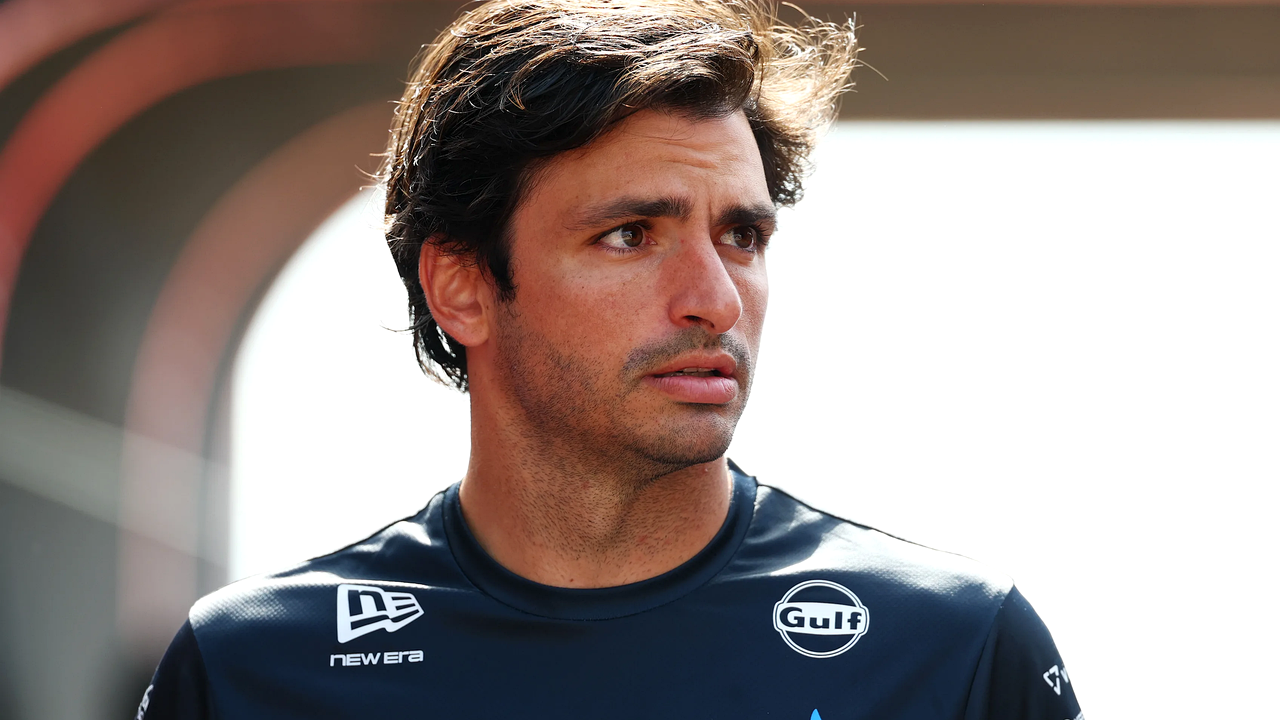
If the car behaves better, Silverstone will have helped despite the lost result. If not, the team will know the upgrade path still needs work.
That is the honest test after a compromised race.
The fair read
Albon’s blame is part of the story, but not the whole story. The larger value is whether Williams can turn a poor Sunday into a sharper engineering review.
The team should avoid both extremes: ignoring the crash cost or pretending the damaged data is complete.
A careful middle path gives Williams the best chance to make Silverstone useful rather than only frustrating.
The first lap should not own the whole review
The crash was the loudest moment, but Williams cannot let it consume every meeting. The team still need to understand the car beneath the damaged result.
That means separating the emotional cost from the engineering questions. One belongs to accountability, the other to development.
Both matter, but they should not be mixed into one messy conclusion.
Upgrade timing makes the lesson sharper
When a team brings or studies new parts, a compromised race hurts more. It reduces the clean laps available for comparison and makes every conclusion less certain.
Williams should therefore be careful with any decision that depends only on Silverstone race data.
The safer move is to keep the promising notes, then demand confirmation from the next clean session.
Sainz can help keep the review honest
Carlos Sainz gives Williams another voice in the room. If his feedback matches Albon’s clean-session notes, the team can be more confident about the direction.
If the feedback splits, the engineers should slow down and ask why. Different driver needs can reveal a narrow setup window.
That comparison can stop the team from overreacting to one damaged car.
The midfield will punish a false lesson
The fight around Williams is too close for a wrong upgrade read. A small mistake can mean starting behind rivals who were catchable the week before.
That is why the review should be strict and calm. The team need evidence that can survive more than one session.
A bad race can still help, but only if the garage refuses to turn weak evidence into a strong claim.

No Comments