
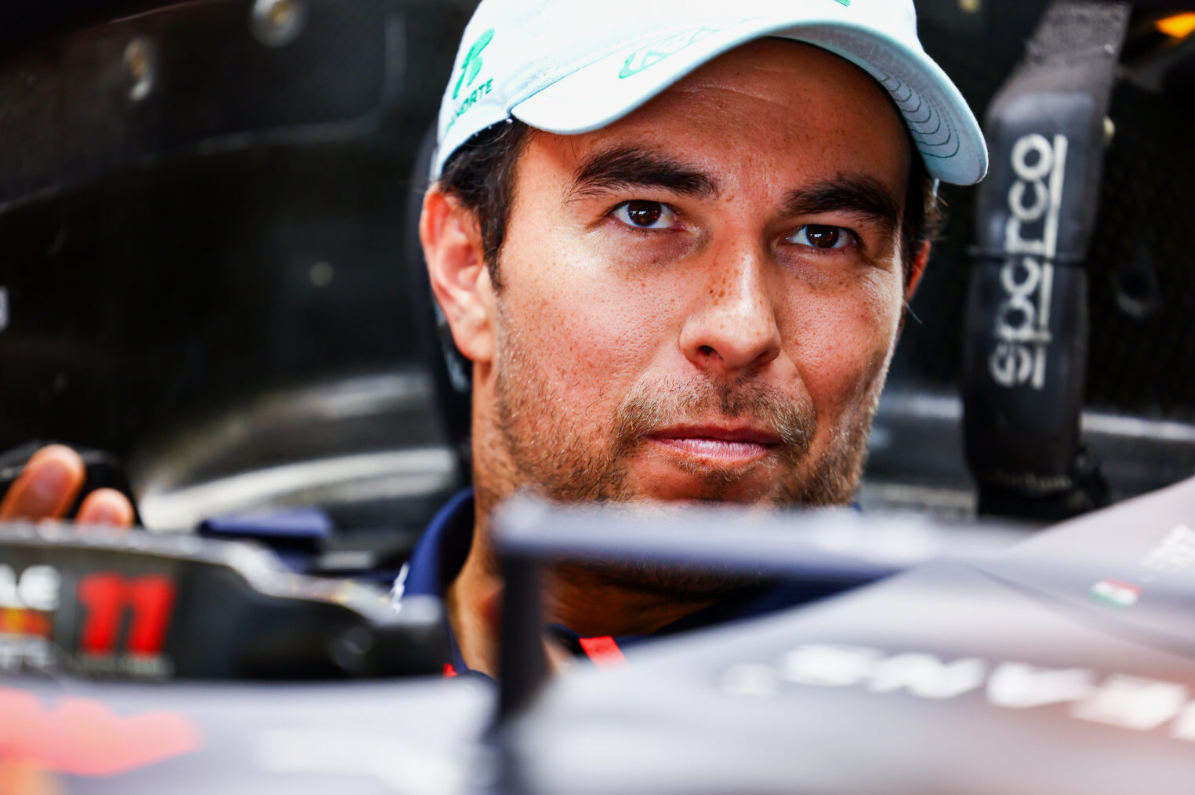
Formula 1 is widely regarded as the ultimate test of driving ability. However, success at the highest level of motorsport depends on much more than raw talent. Even the most naturally gifted drivers require a competitive car, a supportive team structure, and a stable working environment to consistently achieve strong results.
Throughout Formula 1 history, many drivers have demonstrated remarkable speed but struggled to fully realize their potential due to factors beyond their control. This reality continues to influence discussions about performance, career opportunities, and long-term success within the championship.
The Role of Talent in Formula 1
Natural ability remains one of the most important requirements for reaching Formula 1.
- Racecraft
- Qualifying speed
- Tire management
- Adaptability
- Mental resilience
- Technical understanding
These qualities allow drivers to compete against the best racers in the world.

Why the Environment Matters
Talent alone is rarely enough to guarantee success in Formula 1.
- Car competitiveness
- Team support
- Engineering collaboration
- Development direction
- Strategic decision-making
When these elements work together effectively, drivers have a greater opportunity to maximize their potential and achieve consistent results.
The Importance of Confidence
Confidence plays a critical role in motorsport performance. Drivers must trust both themselves and their machinery when operating at the limit. Strong relationships between drivers and engineers often contribute to better communication, improved setup decisions, and greater consistency throughout a race weekend. When confidence is high, drivers are more willing to push aggressively during qualifying and race conditions. Uncertainty regarding car behavior, team direction, or future opportunities can create additional pressure and affect performance. Formula 1 competitors operate in an environment where fractions of a second determine success or failure, making psychological factors almost as important as technical performance. Teams invest significant resources into creating conditions that allow drivers to perform at their best because confidence and stability frequently translate into stronger results over an entire season.
Building a Competitive Team
Successful Formula 1 organizations focus on several areas simultaneously.
- Strong leadership
- Advanced engineering
- Reliable operations
- Effective communication
- Continuous development
These elements help create an environment where drivers can perform at their highest level.
Factors Affecting Driver Performance
| Factor | Impact Level |
|---|---|
| Car Performance | Very High |
| Team Support | High |
| Strategy | High |
| Driver Confidence | High |
| Experience | Medium |
| External Pressure | Medium |

The Challenge of Consistency
Formula 1 drivers must perform under constant scrutiny and pressure.
- Media attention
- Competitive pressure
- Technical issues
- Team expectations
- Championship battles
Successfully managing these challenges often separates elite performers from the rest of the field.
Looking Toward the Future
As Formula 1 continues evolving, the relationship between driver talent and team environment will remain a major factor in determining success. Teams increasingly recognize that unlocking maximum performance requires more than simply hiring a fast driver. Creating the right conditions, supporting development, and maintaining organizational stability are equally important.
Conclusion
Formula 1 success is built on a combination of talent, preparation, and opportunity. While exceptional driving ability remains essential, even the most skilled competitors need the right environment to perform at their highest level. Teams that successfully combine strong engineering, effective leadership, and driver support place themselves in the best position to compete for victories and championships.



No Comments