
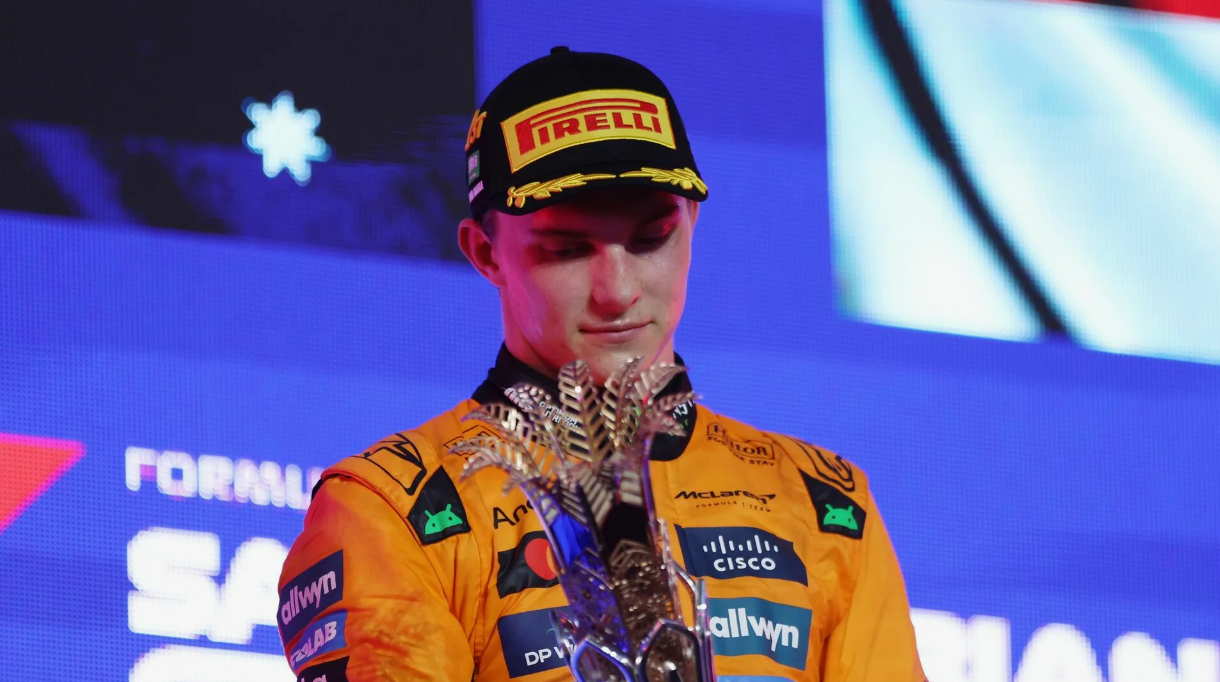
Oscar Piastri reflected on a controversial strategy decision during a recent Formula 1 race, where his team chose to start on intermediate tires. The move attracted criticism, with the driver admitting it may have looked like a mistake from the outside.
A Risky Strategic Choice
Starting on intermediate tires is always a gamble, especially in uncertain weather conditions.
- Track conditions were not clearly wet
- Most teams opted for dry tires
- Weather forecasts were inconsistent
- Early laps did not favor intermediates
This made the decision stand out immediately.

Reasoning Behind the Decision
Despite the outcome, the team had a clear strategy in mind.
- Expectation of incoming rain
- Chance to gain early advantage
- Strategic differentiation from rivals
- Data-driven decision-making
The plan aimed to capitalize on changing conditions.
How the Race Played Out
The expected rain did not arrive in time, which affected performance.
- Track remained too dry
- Intermediate tires degraded quickly
- Lap times were slower than competitors
- Early pit stop became necessary
This resulted in lost positions and a compromised race.
Strategy Comparison
| Aspect | Expected Scenario | Actual Outcome |
|---|---|---|
| Weather | Rain arriving early | Dry conditions continued |
| Tire Performance | Competitive advantage | Significant disadvantage |
| Track Position | Positions gained | Positions lost |
| Race Strategy | Flexible approach | Forced early pit stop |
Piastri’s Reaction
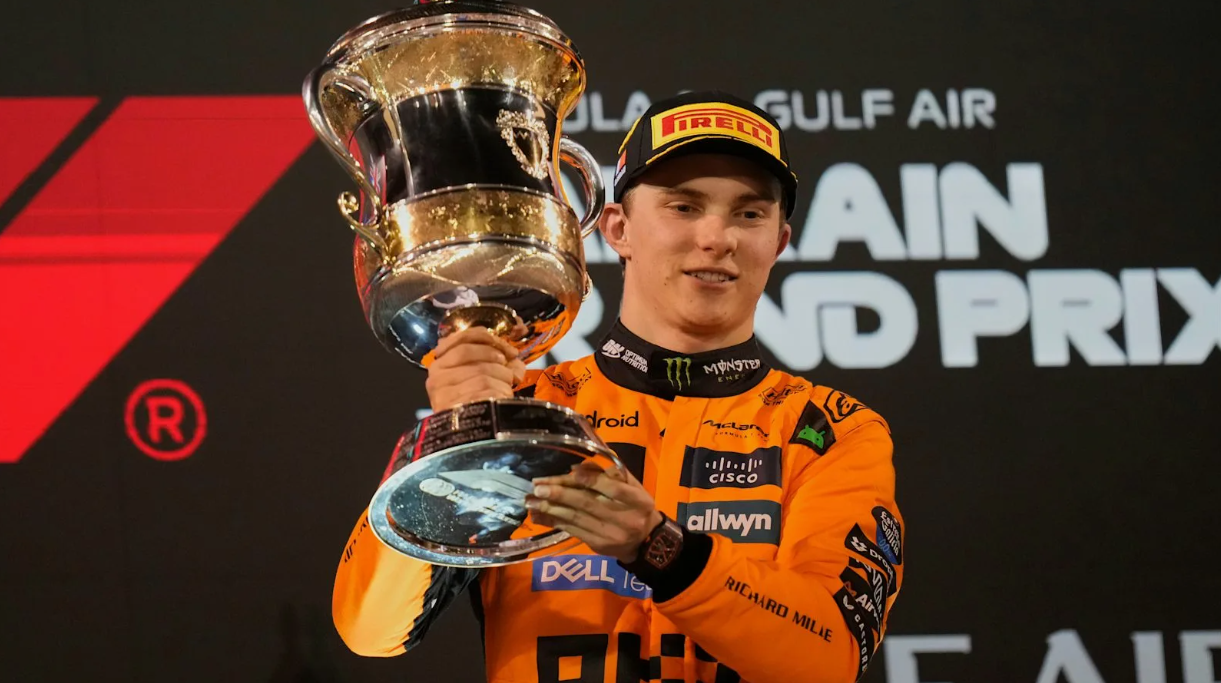
After the race, Piastri openly acknowledged how the decision appeared.
- Admitted the strategy looked wrong
- Confirmed it was based on data
- Accepted the risks involved
- Emphasized learning from the experience
The Nature of Risk in Formula 1
Strategic risks are a fundamental part of racing, especially in changing conditions.
- Teams seek competitive advantage
- Weather creates uncertainty
- High-risk decisions can bring high rewards
- Failures are highly visible
Lessons for the Future
The experience offers valuable insights for upcoming races.
- Better interpretation of weather data
- Improved timing for tire decisions
- More flexible strategy adjustments
- Balanced approach between risk and consistency
Conclusion
The decision to start on intermediate tires highlights the fine margins in Formula 1 strategy. While the gamble did not pay off, it demonstrates how teams constantly push boundaries in search of an advantage. Even when results fall short, such decisions play a key role in the evolution of race strategy.
No Comments