
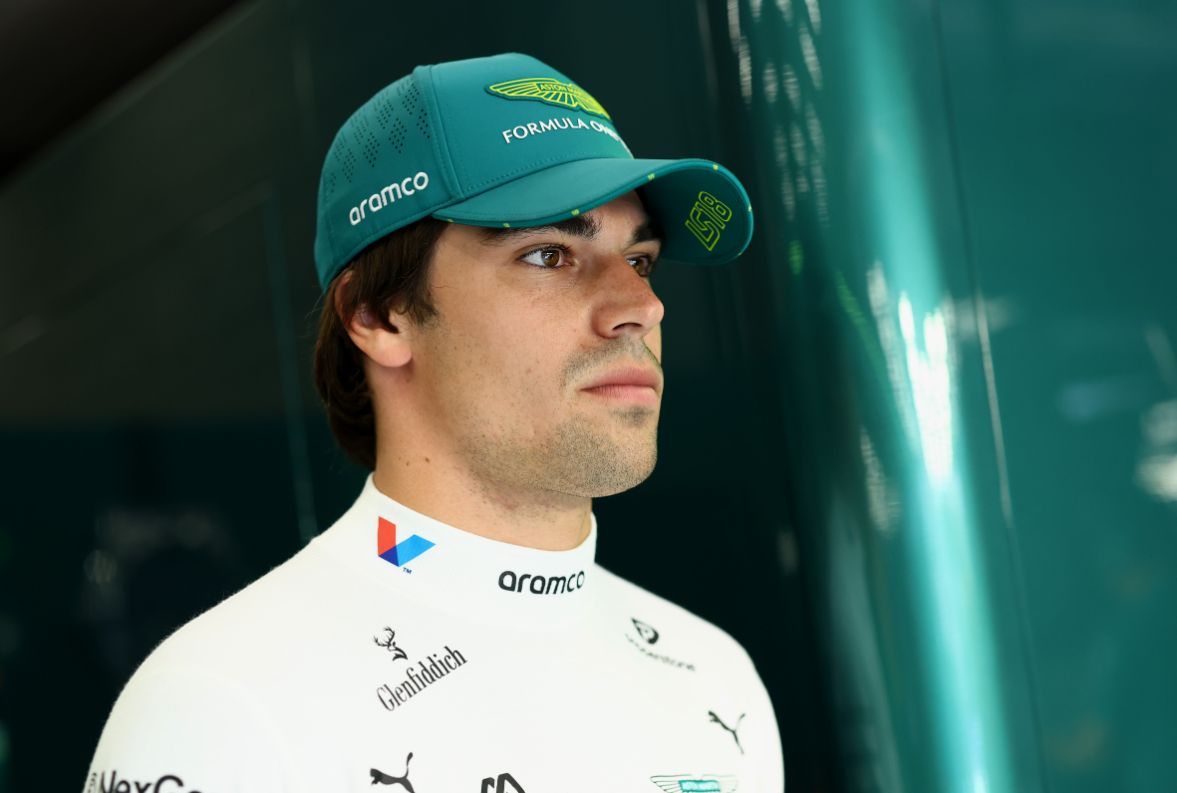
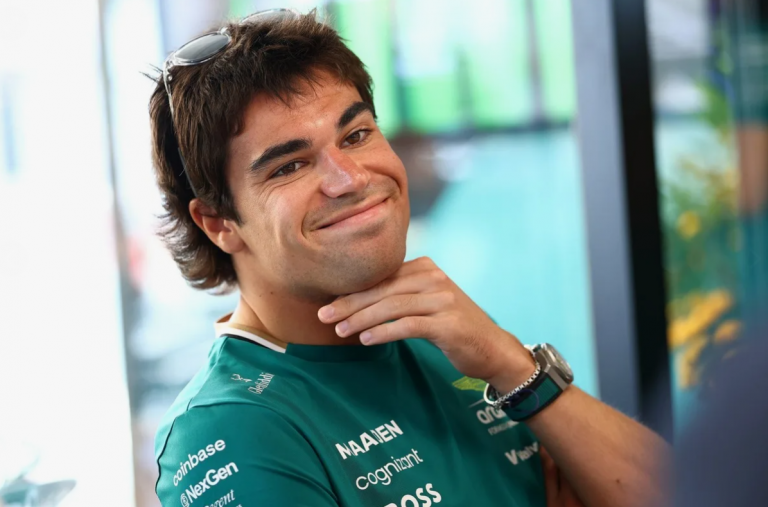
Lance Stroll believes his team is well-positioned to build a highly competitive Formula 1 car for the future. Speaking about the development process, the Canadian driver expressed confidence in the technical leadership within the organization and emphasized the importance of having the right expertise behind the scenes.
The Search for the Perfect Car
Every Formula 1 team is constantly working toward the same objective: creating the fastest and most balanced car possible. Achieving that goal requires a combination of engineering excellence, innovation, and effective teamwork.
- Strong aerodynamic efficiency
- Excellent mechanical balance
- Reliable power unit performance
- Consistent tire management
- Adaptability across different circuits
According to Stroll, assembling the right technical team is one of the most important steps toward reaching that objective.
Confidence in Technical Leadership
The driver highlighted the value of having experienced specialists responsible for the design and development process.
- Long-term development strategy
- Proven engineering expertise
- Innovative design philosophy
- Strong leadership within the team
Modern Formula 1 success depends not only on drivers but also on the people responsible for designing and improving the car throughout the season.
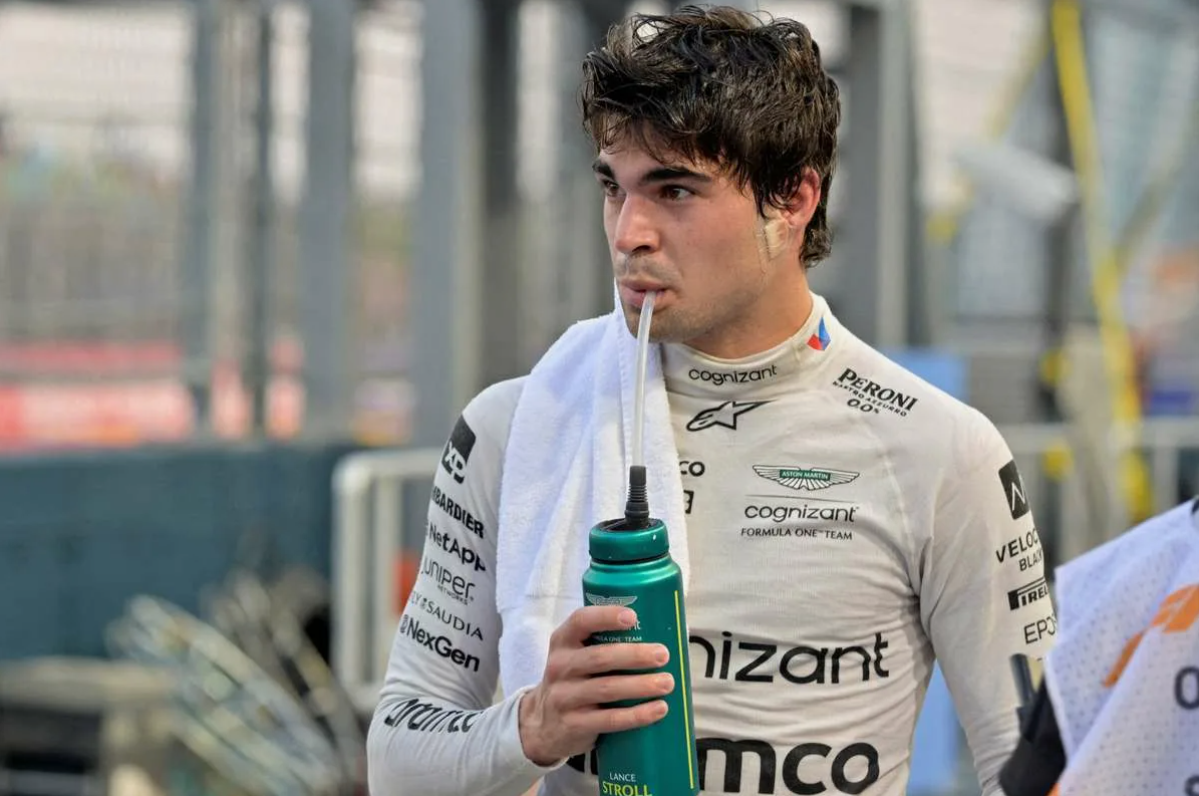
Building for the Future
Formula 1 teams must think several years ahead while continuing to compete in the present. Long-term planning has become increasingly important as regulations evolve.
- Continuous aerodynamic development
- Advanced simulation technology
- Data-driven performance analysis
- Efficient resource management
Teams that successfully combine these elements often gain a significant competitive advantage.
Key Ingredients of an Ideal F1 Car
| Area | Importance | Expected Benefit |
|---|---|---|
| Aerodynamics | Very High | Increased cornering speed |
| Mechanical Grip | High | Better tire performance |
| Reliability | Critical | Consistent race finishes |
| Driver Confidence | High | Improved race pace |
| Development Rate | Essential | Season-long competitiveness |
The Importance of Teamwork
Success in Formula 1 is rarely the result of one individual. Drivers, engineers, strategists, and management must work together to maximize performance.
- Efficient communication
- Shared technical vision
- Fast problem-solving
- Effective race execution
Strong collaboration often separates championship contenders from midfield competitors.
Challenges Ahead
Despite optimism, creating a title-winning car remains a difficult challenge.
- Intense competition from rival teams
- Strict technical regulations
- Budget limitations
- Rapid pace of innovation
Teams must continuously adapt if they want to remain competitive at the highest level.
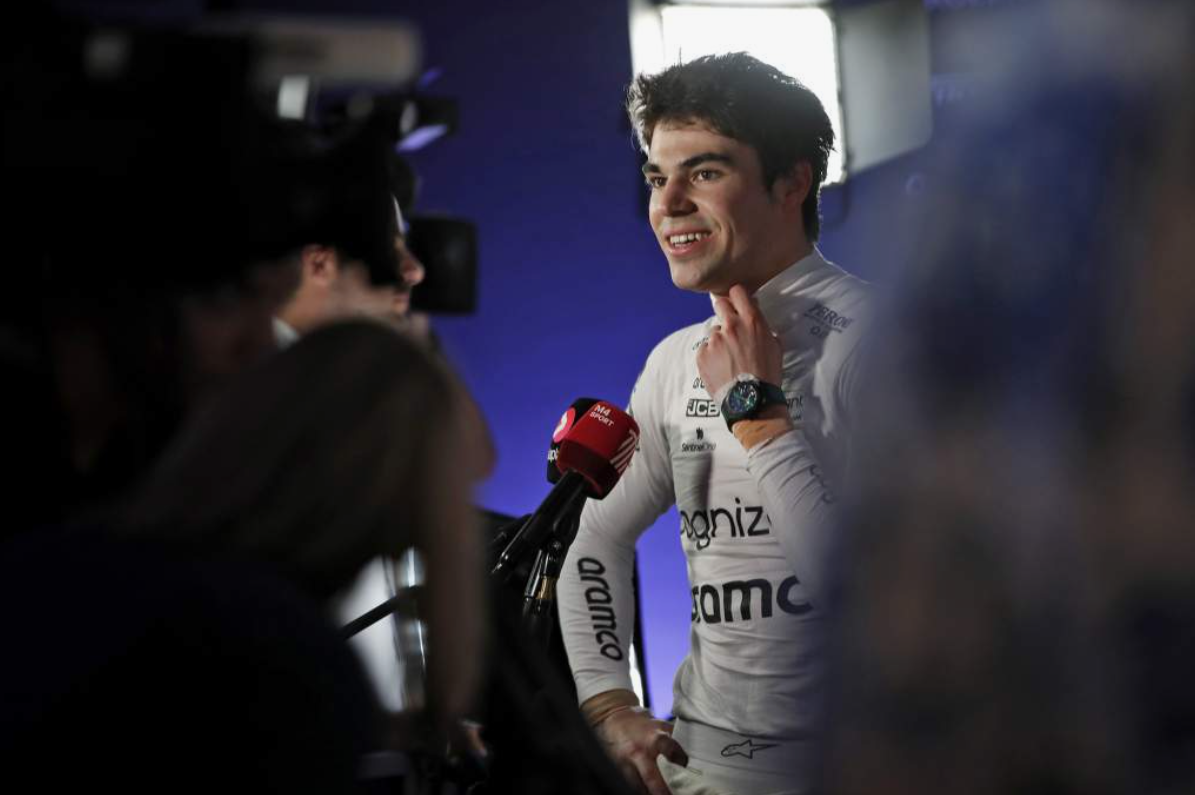
Looking Toward Future Seasons
With major regulation changes and ongoing technological development, the next few seasons could reshape the competitive order. Teams that make the right decisions today may find themselves fighting for victories tomorrow.
- Focus on long-term progress
- Investment in technology
- Development of technical talent
- Commitment to innovation
Conclusion
Lance Stroll’s confidence in his team’s technical direction reflects growing optimism about the future. Building the ideal Formula 1 car is one of the sport’s greatest challenges, but with experienced leadership, advanced engineering, and a clear vision, teams can position themselves for long-term success. The coming seasons will reveal whether those efforts can translate into consistent podiums and championship contention.
No Comments