
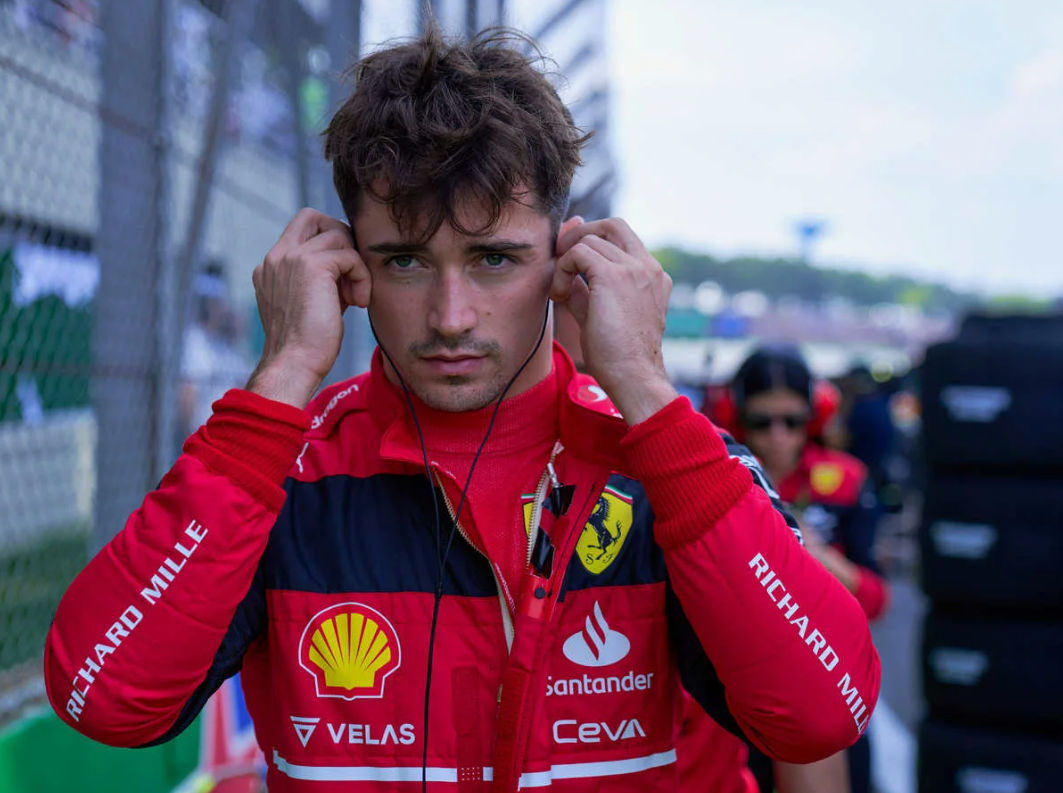
Charles Leclerc has once again voiced concerns regarding Ferrari’s braking system after a troubling incident during the Monaco Grand Prix weekend. Racing in front of his home crowd, the Ferrari driver expressed frustration over another technical issue and suggested that the recurring problems are becoming increasingly serious.
The Monegasque driver explained that confidence in a Formula 1 car is built on consistency and predictability. When a critical system such as the brakes fails to perform exactly as expected, it can affect both performance and safety. Following the latest incident, Leclerc admitted that the situation is becoming difficult to ignore.
Crash Sparks New Questions
The Monaco Grand Prix is one of the most demanding races on the Formula 1 calendar. Drivers navigate narrow streets bordered by barriers, leaving almost no room for mistakes. During the event, Leclerc experienced braking difficulties that contributed to an accident and renewed concerns about the reliability of the system.
Although Ferrari immediately began reviewing the available data, the driver suggested that similar issues had appeared before. That history made the latest setback particularly frustrating for both the driver and the team.
Main Concerns Raised by Leclerc
- Unpredictable brake performance.
- Reduced confidence under heavy braking.
- Potential safety implications.
- Difficulty pushing the car to its limit.
- Need for further investigation.
Leclerc emphasized that drivers rely heavily on consistent braking behavior throughout every lap. Any variation can make it difficult to attack corners with full confidence.

Why Brake Reliability Matters
Brakes are among the most important systems in Formula 1. Cars regularly decelerate from speeds exceeding 300 km/h, generating enormous forces on both the car and the driver.
Reliable braking performance is essential for several reasons:
- Driver safety.
- Corner-entry precision.
- Consistent lap times.
- Tire management.
- Race competitiveness.
Even the smallest inconsistency can influence performance. In a sport where fractions of a second separate competitors, technical precision is absolutely critical.
Modern Formula 1 braking systems are highly sophisticated and operate under extreme conditions. Engineers constantly monitor temperatures, hydraulic pressure, wear rates, and performance data throughout every session. Despite advanced technology and extensive preparation, occasional anomalies can still occur. For drivers, trust in the braking system is essential because every lap requires commitment at the edge of performance. Monaco amplifies these challenges because the circuit demands repeated heavy braking while offering almost no margin for recovery. A slight variation in braking response can alter a driver’s line through a corner and increase the likelihood of mistakes. Leclerc’s latest comments underline the importance of reliability and consistency, particularly at circuits where technical issues can quickly lead to significant consequences. The Ferrari driver believes that solving these concerns is necessary not only for performance but also for maintaining complete confidence behind the wheel during race weekends.
Monaco Circuit Challenges
The streets of Monaco create unique demands on both drivers and machinery. Technical issues that might be manageable elsewhere often become much more serious at this venue.
| Track Feature | Effect on Performance |
|---|---|
| Narrow Layout | Minimal margin for error |
| Close Barriers | Higher risk of contact |
| Heavy Braking Zones | Increased brake stress |
| Tight Corners | Requires precise control |
| Limited Run-Off Areas | Mistakes become costly |
Because of these factors, Monaco often exposes weaknesses that may not be as noticeable at other circuits.
Ferrari Investigation Continues
Ferrari engineers are expected to conduct a detailed review of the incident to determine the exact cause of the braking issue. Teams routinely analyze large amounts of telemetry data after technical problems to identify potential failures and prevent future occurrences.
Areas likely to be examined include:
- Brake temperature management.
- Hydraulic system operation.
- Electronic monitoring systems.
- Component wear and durability.
- Driver feedback and telemetry.
The team remains focused on ensuring reliability throughout the remainder of the season.
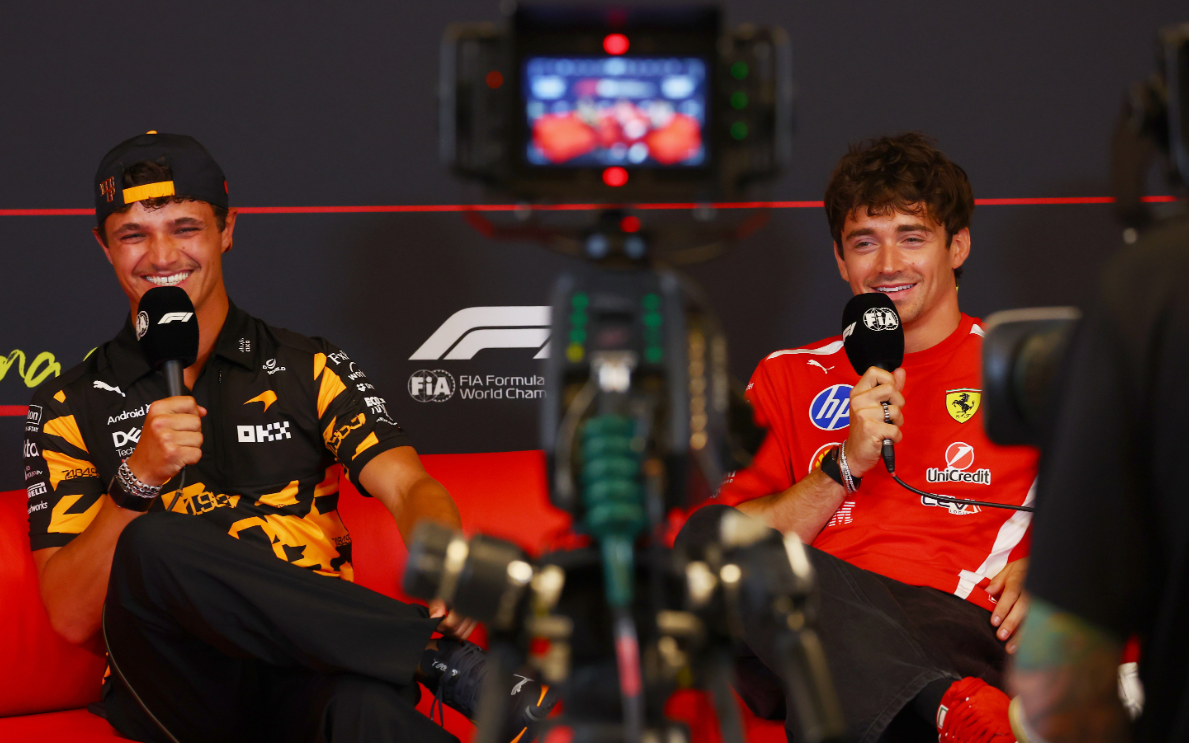
Driver Confidence Is Critical
Formula 1 drivers must operate at the absolute limit of performance. To do that successfully, they need complete trust in every component of the car.
When confidence is affected, several challenges can emerge:
- More cautious driving.
- Reduced qualifying pace.
- Greater mental pressure.
- Difficulty attacking corners aggressively.
- Lower overall performance potential.
For a driver known for his speed and commitment, confidence in the car remains a key ingredient for success.
Looking Ahead
Despite the disappointment of the Monaco incident, Ferrari remains determined to improve and move forward. The season still offers numerous opportunities to score strong results and compete against rival teams.
Leclerc and Ferrari will continue working together to understand the underlying causes of the problem and ensure that similar issues do not arise in future race weekends.
Conclusion
Charles Leclerc’s latest comments have placed renewed attention on Ferrari’s braking system following another difficult moment in Monaco. The driver believes that recurring concerns deserve serious attention and has called for continued efforts to improve reliability.
While investigations continue, the incident highlights how crucial consistency, technical precision, and driver confidence remain in modern Formula 1. Success is not determined by speed alone; reliability and trust in the machinery are equally important components of championship-level performance.
No Comments