
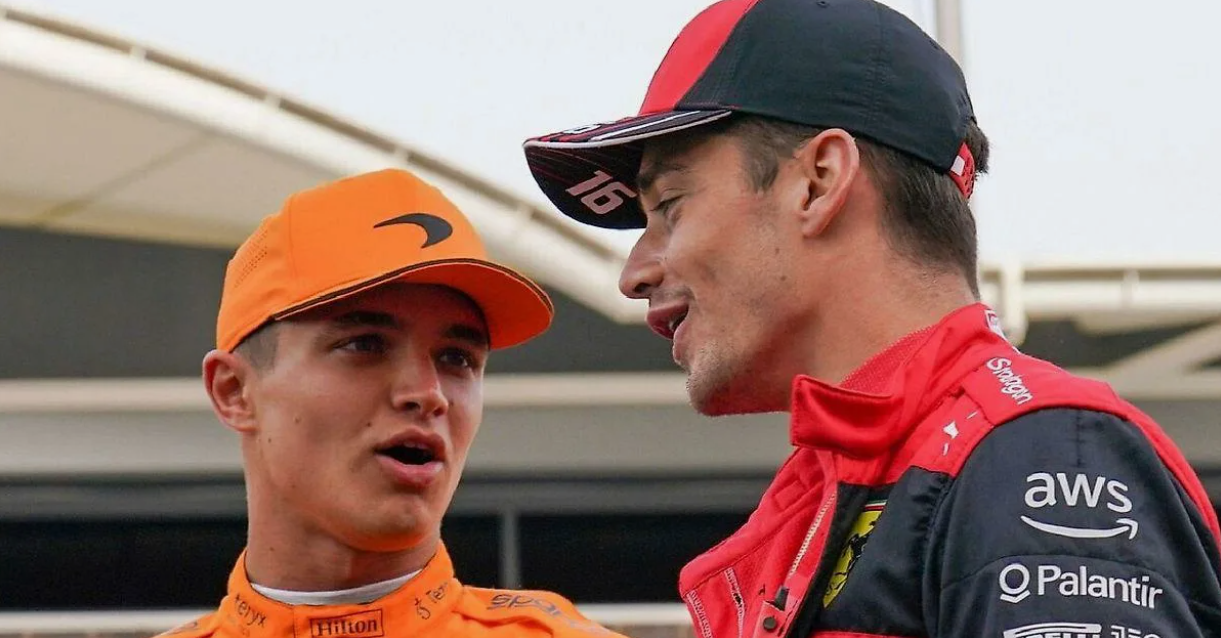
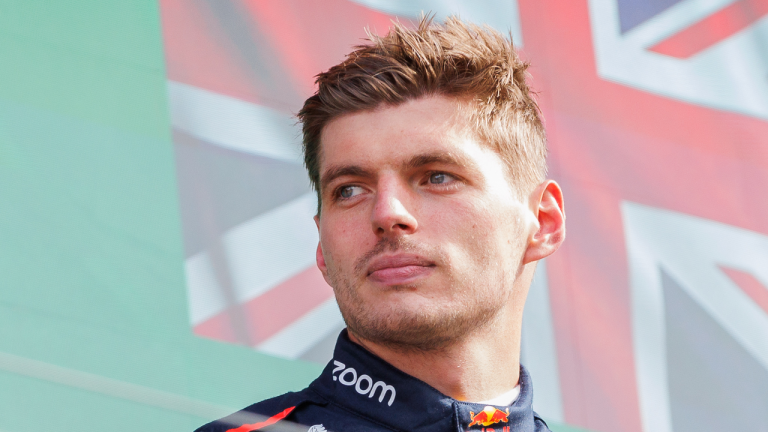
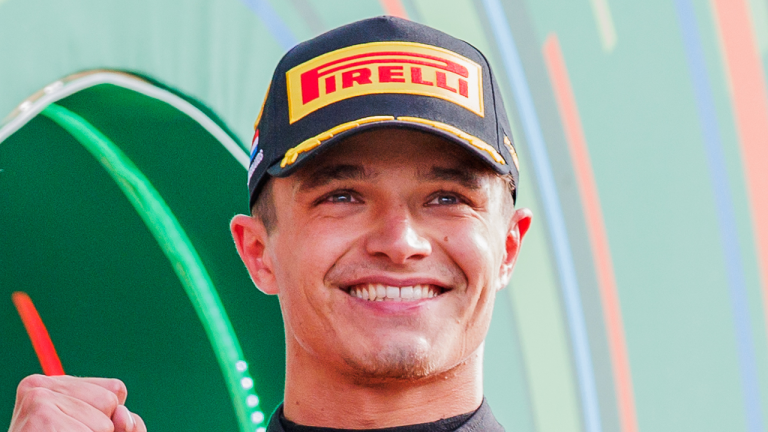
Formula 1 operates under a strict framework of sporting, technical, and media regulations. While most attention during a race weekend focuses on lap times and championship battles, administrative obligations are also an important part of a driver’s responsibilities. Recently, Charles Leclerc and Lando Norris became the subject of discussion after questions arose regarding attendance at an official media session.
The situation attracted attention throughout the paddock because media activities are a mandatory component of every Formula 1 event. Drivers are expected to participate in scheduled interviews, press conferences, and promotional activities that help maintain the sport’s relationship with fans, broadcasters, and sponsors.
Why Press Conferences Matter in Formula 1
Media obligations play a significant role in modern motorsport.
- Provide information to journalists
- Increase fan engagement
- Support commercial partners
- Promote race weekends
- Maintain transparency within the sport
Formula 1 has become a global entertainment product, making driver availability an important aspect of its overall success.
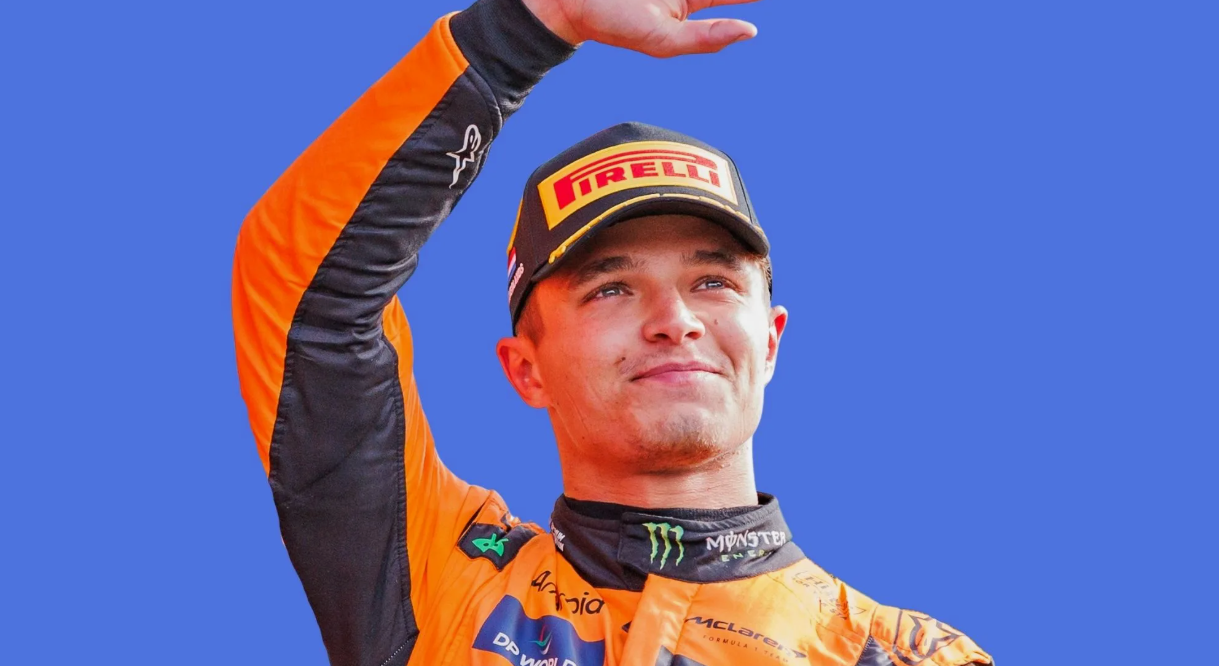
The Challenges of a Modern Race Weekend
Drivers often operate under extremely demanding schedules.
- Team meetings
- Engineering briefings
- Data analysis sessions
- Media appearances
- Sponsor commitments
- Track activities
Balancing these commitments can be difficult, particularly during busy race weekends where every minute is carefully planned.
A Busy Environment Behind the Scenes
While fans primarily see drivers competing on the circuit, much of their work takes place away from the spotlight. Preparation begins long before practice sessions start and continues throughout the entire event. Drivers spend hours reviewing performance data, discussing strategy with engineers, participating in physical training, and attending commercial engagements. Media commitments are integrated into this schedule because Formula 1 depends heavily on communication between teams, drivers, and fans around the world. Occasionally, scheduling conflicts or unexpected circumstances can create complications. When this occurs, race officials may investigate whether established procedures were followed correctly. Such reviews do not automatically imply wrongdoing but allow authorities to determine whether regulations were respected. In a sport where precision is essential, even administrative matters are handled with significant attention to detail.
How Stewards Handle Administrative Matters
- Monitor sporting regulations
- Review procedural compliance
- Investigate reported incidents
- Ensure consistency across events
- Maintain professional standards
Their role extends beyond racing incidents and includes various operational responsibilities throughout a race weekend.
Potential Outcomes of Reviews
- No further action
- Formal warning
- Administrative notice
- Financial penalty
- Procedural clarification
The outcome depends on the specific circumstances surrounding each case.
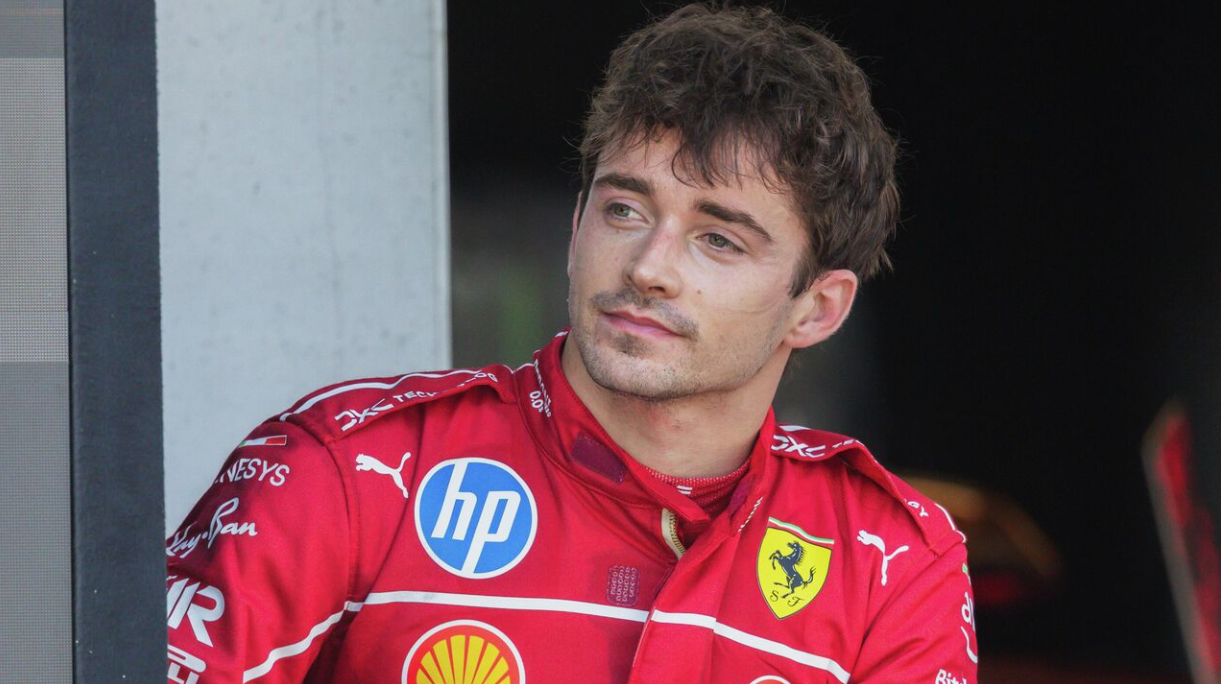
Driver Comparison
| Category | Charles Leclerc | Lando Norris |
|---|---|---|
| Team | Ferrari | McLaren |
| Experience Level | Established Race Winner | Established Front-Runner |
| Media Responsibilities | Extensive | Extensive |
| Public Profile | Global Motorsport Star | Popular Fan Favorite |
| Main Goal | Compete for Victories | Compete for Victories |
The Importance of Professional Standards
Formula 1 teams invest significant resources in maintaining professional operations and ensuring compliance with regulations.
- Time management
- Communication
- Regulatory compliance
- Public relations
- Operational efficiency
Meeting these standards helps race weekends run smoothly for teams, officials, broadcasters, and fans.
Looking Ahead
The situation serves as a reminder that Formula 1 extends beyond competition on the track. Drivers must balance racing responsibilities with numerous obligations that support the sport’s commercial and promotional success.
As the season continues, attention will quickly return to performance, championship battles, and future race weekends. However, the incident highlights the importance of professionalism and organization within modern Formula 1.
Conclusion
Questions regarding attendance at official media events may appear minor compared to on-track battles, but they reflect Formula 1’s commitment to maintaining high operational standards. The review involving Charles Leclerc and Lando Norris demonstrates how every aspect of a race weekend is managed carefully, ensuring that both sporting and professional responsibilities are respected throughout the championship season.
No Comments