

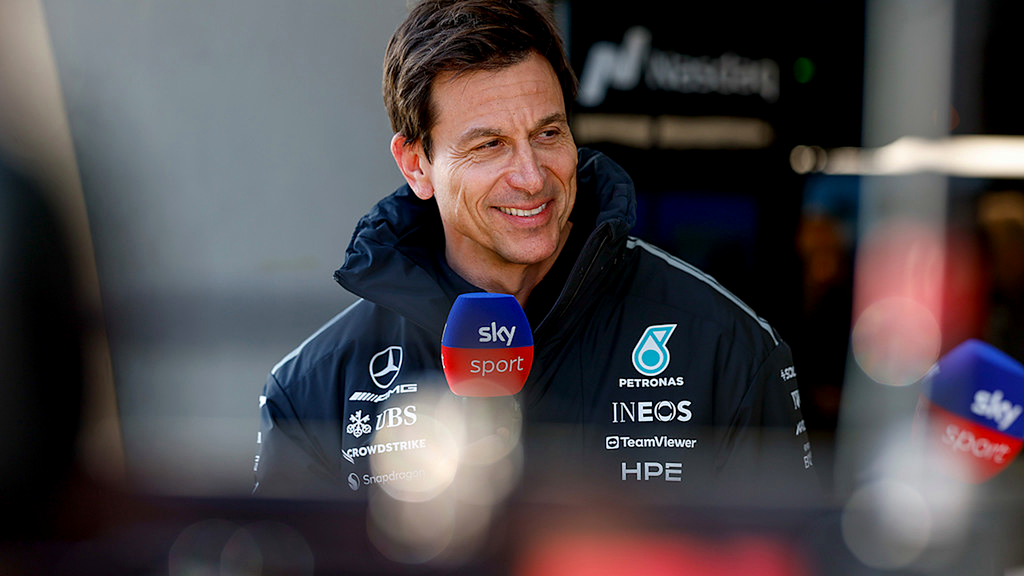
Το γεγονός ότι ο Τότο Βολφ λαμβάνει υπόψη τους ενδοομαδικούς κανόνες της Mercedes είναι ένα αγωνιστικό μήνυμα, όχι μόνο ένα σημείωμα της διοίκησης.
Η συζήτηση ξεκινά επειδή η φόρμα του Hamilton στη Ferrari έχει αυξήσει το κόστος για τους οδηγούς της Mercedes που αφαιρούν βαθμούς ο ένας από τον άλλον, ενώ η πρώτη θέση στην κατάταξη μειώνεται.
Τι αλλάζει στην πραγματικότητα η ενημέρωση
Το πρώτο γεγονός είναι άμεσο: ο Wolff είπε ότι η Mercedes πρέπει να συζητήσει τους εσωτερικούς κανόνες της ομάδας με τους οδηγούς της. Δεν είναι ένα χαλαρό θέμα συζήτησης. Αυτό μετατρέπει ένα συνηθισμένο θέμα ενημέρωσης σε ζήτημα μάχης τίτλου και αλλάζει τον τρόπο με τον οποίο θα κριθεί το επόμενο αποτέλεσμα.
Η ευρύτερη ερμηνεία αφορά την προσπάθεια της Mercedes να προστατεύσει τους βαθμούς χωρίς να μετατρέψει δύο φιλόδοξους οδηγούς σε επιβάτες. Η απειλή της Ferrari από τον Hamilton αλλάζει τον τρόπο με τον οποίο η Mercedes ερμηνεύει τον εσωτερικό αγωνιστικό κίνδυνο. Αυτό θέτει την ενημέρωση μέσα σε ένα ζωντανό ανταγωνιστικό επιχείρημα αντί να την αφήνει ως σημείωση στο βιβλίο ρεκόρ.
Πού εμφανίζεται η πίεση
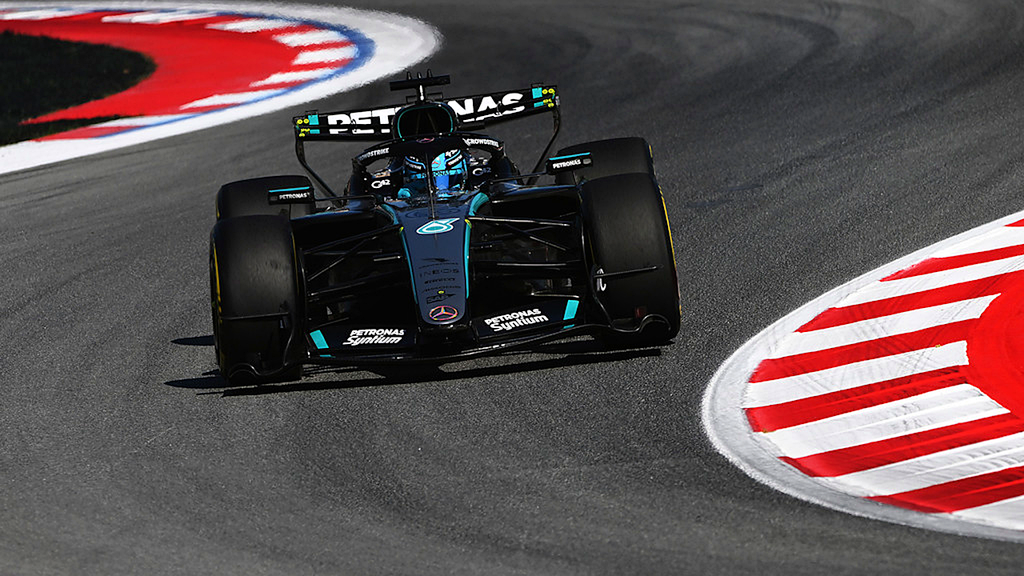
Ο Russell και ο Antonelli χρειάζονται και οι δύο ελευθερία για να αγωνιστούν, αλλά η ομάδα δεν μπορεί να σπαταλήσει βαθμούς. Η συνέπεια είναι πρακτική: αυτή η ισορροπία είναι ιδιαίτερα δύσκολη με έναν πρωτοεμφανιζόμενο να μαθαίνει δίπλα σε έναν καθιερωμένο νικητή. Η ομάδα, ο οδηγός ή ο αγώνας που εμπλέκεται πρέπει τώρα να αποδείξει ότι η ίδια λεπτομέρεια μπορεί να επιβιώσει ένα λιγότερο φιλικό Σαββατοκύριακο.
Η εικόνα του τίτλου καθιστά τις μικρές επαφές ή τον χαμένο χρόνο πιο ακριβές από ό,τι νωρίτερα στη σεζόν. Εκεί οι εντολές της ομάδας, η απόσταση στον πρώτο γύρο, η στρατηγική αντιστάθμισης ελαστικών και το κόστος της απώλειας χρόνου από τροχό σε τροχό αποκτούν μεγαλύτερη σημασία από τον ίδιο τον τίτλο.
Η Mercedes πρέπει να αποφασίσει πού τελειώνει ο αγώνας και πού αρχίζει η προστασία της ομάδας. Η απάντηση θα επηρεάσει τις εκκινήσεις, τα undercuts και τις συγκρούσεις ελαστικών στο τέλος του αγώνα. Το χρήσιμο ερώτημα δεν είναι αν η ενημέρωση ακούγεται εντυπωσιακή, αλλά αν δίνει στην επόμενη περίοδο ή αν ταιριάζει με ένα πιο καθαρό σχήμα.
Βασικές λεπτομέρειες
| Περιοχή | Λεπτομέρεια |
|---|---|
| Κύριο θέμα | Οι ενδοομαδικοί κανόνες της Mercedes υπό αναθεώρηση |
| Εξωτερική πίεση | Ο ρυθμός του Hamilton στη Ferrari αυξάνει το κόστος των λαθών |
| Ισορροπία οδηγού | Η εμπειρία του Russell δίπλα στην ανάπτυξη του Antonelli |
| Επόμενος έλεγχος | πρώτη άμεση μάχη μετά την ενημέρωση |
Γιατί η λεπτομέρεια έχει σημασία πέρα από τον τίτλο
Οι κανόνες λειτουργούν μόνο εάν οι οδηγοί τους κατανοήσουν πριν φτάσει η στιγμή της πίεσης. Οι σαφείς κανόνες αποτρέπουν τις διαφωνίες μέσω ασυρμάτου αφού η ζημιά έχει ήδη γίνει. Αυτή η λεπτομέρεια αποτελεί τη γέφυρα μεταξύ αυτού που έχει ήδη συμβεί και αυτού που θα μετρήσει στη συνέχεια το paddock ή η βάση των οπαδών.
Η άνοδος της Ferrari σημαίνει ότι η στρατηγική της Mercedes δεν μπορεί να επικεντρωθεί μόνο στη McLaren. Ο Hamilton έχει διευρύνει τον ανταγωνιστικό χάρτη για τη Mercedes. Ένα μόνο γεγονός μπορεί να ξεκινήσει τη συζήτηση, αλλά η επαναληψιμότητα αποφασίζει αν η ιστορία θα γίνει μέρος της κατεύθυνσης της σεζόν.
Η επόμενη στιγμή σύγκρουσης θα δείξει αν η συζήτηση έχει αλλάξει συμπεριφορά. Αυτή θα είναι η πραγματική δοκιμασία των λόγων του Wolff. Εξηγεί επίσης γιατί το επόμενο σημείο ελέγχου δεν μπορεί να θεωρηθεί ρουτίνα.
Η Mercedes έχει βιώσει αυτό το πρόβλημα στο παρελθόν. Τα ισχυρά ζευγάρια οδηγών μπορούν να ανεβάσουν το ταβάνι της ομάδας, αλλά δημιουργούν επίσης Σαββατοκύριακα όπου ένας αντίπαλος επωφελείται από τις εσωτερικές τριβές.
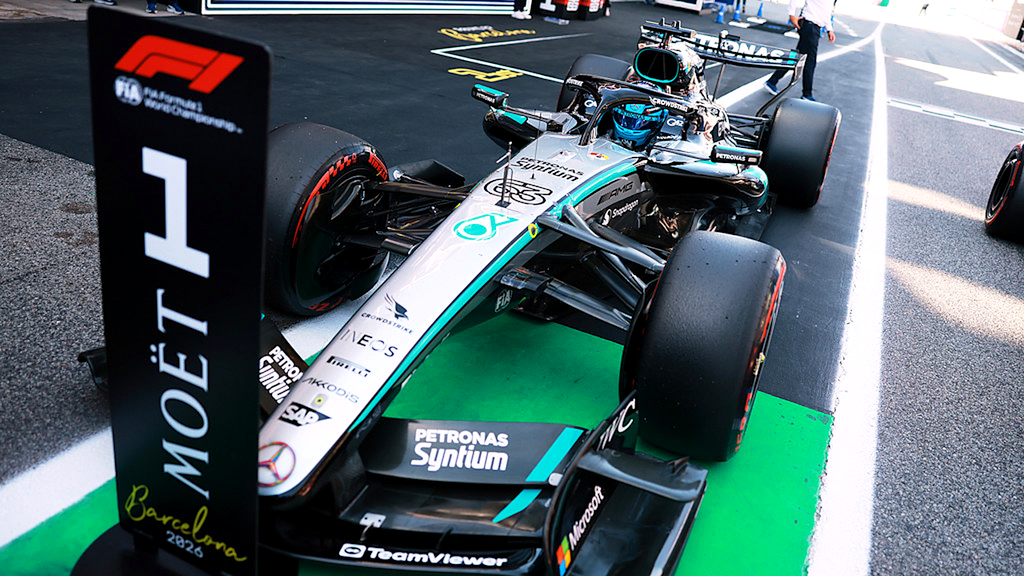
Η διαφορά το 2026 είναι ότι η απειλή της Ferrari δεν είναι πλέον θεωρητική. Η νίκη του Hamilton στη Βαρκελώνη άλλαξε τον τρόπο με τον οποίο η Mercedes μετράει τους βαθμούς.
Αν οι Russell και Antonelli υποτιμήσουν ο ένας τον άλλον, η Mercedes μπορεί να χάσει τη μεγαλύτερη μάχη ενώ προσπαθεί να προστατεύσει μια μικρότερη.
Η πρόκληση για τον Wolff είναι να θέσει κανόνες που είναι αρκετά συγκεκριμένοι ώστε να αποτρέπουν ζημιές, αλλά και αρκετά ευέλικτοι ώστε να επιτρέπουν στους οδηγούς να αγωνίζονται όταν η ομάδα έχει σαφές πλεονέκτημα.
Αυτό είναι ένα ευαίσθητο μήνυμα. Οι οδηγοί αντιλαμβάνονται τους περιορισμούς ως όρια. Οι ομάδες τους αντιλαμβάνονται ως ασφάλιση.
Η επόμενη μάχη με τη Mercedes στην πίστα θα δείξει αν η συζήτηση έχει αποφέρει σαφήνεια ή απλώς ένα ακόμη επίπεδο έντασης στα ραδιοφωνικά δίκτυα.
Το επόμενο αποδεικτικό στοιχείο
Το πιο καθαρό πράγμα που πρέπει να παρακολουθήσετε είναι η επόμενη φορά που οι Russell και Antonelli φτάνουν στην ίδια στροφή με τους Hamilton ή Ferrari κοντά στην βαθμολογία. Αν αυτό το σημείο ισχύει, η ενημέρωση γίνεται απόδειξη. Αν ξεθωριάσει, η ιστορία θα μείνει στη μνήμη ως μια σύντομη έκρηξη ορμής.
Για τους αναγνώστες, το χρήσιμο πλαίσιο είναι απλό: κρατήστε το αποτέλεσμα που έχετε ορίσει και, στη συνέχεια, ακολουθήστε την επόμενη τεχνική ή ανταγωνιστική αντίδραση. Εκεί βρίσκεται η πραγματική αξία των ειδήσεων.
Η συζήτηση του Wolff για τους κανόνες αφορά στην πραγματικότητα την πειθαρχία στο πρωτάθλημα. Η Mercedes μπορεί να αγωνιστεί εσωτερικά, αλλά δεν μπορεί να αφήσει αυτόν τον αγώνα να επηρεάσει τον Hamilton και τη Ferrari.
Η επόμενη χρήσιμη μέτρηση είναι οι εντολές των ομάδων, η απόσταση στον πρώτο γύρο, η στρατηγική αντιστάθμισης ελαστικών και το κόστος της απώλειας χρόνου από τροχό σε τροχό. Αυτή η περιοχή θα καθορίσει εάν η επικεφαλίδα μετατραπεί σε μοτίβο, επειδή κάθε επόμενο τρέξιμο δίνει στις ομάδες και τους αντιπάλους περισσότερα στοιχεία για να δοκιμάσουν.
Αυτό που κάνει την ενημέρωση άξια παρακολούθησης είναι το κενό μεταξύ του δημόσιου τίτλου και της λειτουργικής λεπτομέρειας πίσω από αυτόν. Ο τίτλος κατονομάζει τη στιγμή. Η λειτουργική λεπτομέρεια αποφασίζει εάν η στιγμή έχει ανταγωνιστική ζωή.
Ένα άλλο μέρος της ιστορίας αφορά τις εντολές των ομάδων, την απόσταση μεταξύ των ελαστικών στον πρώτο γύρο, τη στρατηγική αντιστάθμισης ελαστικών και το κόστος της απώλειας χρόνου από τροχό σε τροχό. Αν αυτό το στοιχείο βελτιωθεί, τα ίδια νέα αρχίζουν να μοιάζουν με την αρχή μιας τάσης και όχι με μια μόνο δυνατή μέρα.
Η σεζόν δεν θα θυμάται μόνο την ανακοίνωση. Θα θυμάται αν οι εμπλεκόμενοι μπορούν να επαναλάβουν το ίδιο πρότυπο όταν η πίστα, ο αντίπαλος ή η μορφή γίνουν λιγότερο άνετα.
Η πίεση είναι επίσης ψυχολογική. Μόλις ένα αποτέλεσμα ή μια αλλαγή κανόνα λάβει τόση προσοχή, το επόμενο λάθος κρίνεται πιο γρήγορα και η επόμενη καθαρή απάντηση έχει μεγαλύτερη αξία.
Γι' αυτό το λόγο, η συνέχεια θα πρέπει να ερμηνεύεται πλήρως. Ένα καθαρό επόμενο βήμα θα έδινε στην αρχική ιστορία ισχυρότερες ρίζες, ενώ ένα ακατάστατο θα την έκανε να φαίνεται προσωρινή.
Υπάρχει επίσης ένα στρατηγικό επίπεδο που συνδέεται με τις εντολές των ομάδων, την απόσταση μεταξύ των ελαστικών στον πρώτο γύρο, τη στρατηγική αντιστάθμισης ελαστικών και το κόστος της απώλειας χρόνου από τροχό σε τροχό. Οι ομάδες μπορούν να συζητήσουν μια ιστορία μόνο για ένα χρονικό διάστημα πριν ο χρόνος, η προετοιμασία και η λήψη αποφάσεων αποκαλύψουν το πραγματικό επίπεδο.
Για τους θαυμαστές, ο καλύτερος τρόπος να κατανοήσουν την κατάσταση είναι να αγνοήσουν τον θόρυβο για μία συνεδρία και να παρακολουθήσουν τις μετρήσιμες λεπτομέρειες. Αυτές οι λεπτομέρειες συνήθως εξηγούν εάν η αντίδραση είναι δικαιολογημένη.
Η χρήσιμη σύγκριση δεν γίνεται με τον πιο ηχηρό τίτλο της ίδιας εβδομάδας. Είναι με την επόμενη στιγμή όπου η ίδια αδυναμία ή δύναμη εμφανίζεται υπό πίεση.
Αν η επόμενη απάντηση είναι ακριβής, η ιστορία αποκτά βάθος. Αν είναι χαλαρή, η τρέχουσα ενημέρωση θα παραμείνει ενδιαφέρουσα αλλά όχι καθοριστική.
Ένας άλλος λόγος για να κρατήσουμε την ιστορία ανοιχτή είναι ότι η Mercedes προσπαθεί να προστατεύσει τους βαθμούς χωρίς να μετατρέψει δύο φιλόδοξους οδηγούς σε επιβάτες. Αυτό το πλαίσιο δίνει στην επόμενη ανταγωνιστική απόφαση ένα πιο έντονο πλεονέκτημα από ό,τι μπορεί να δείξει ο τίτλος από μόνος του.
Η πιο δυνατή συνέχεια θα ήταν ένα Σαββατοκύριακο ή μια σειρά όπου το ίδιο θέμα εμφανίζεται ξανά χωρίς να χρειάζεται εξήγηση. Αυτού του είδους η επανάληψη είναι που μετατρέπει τις ειδήσεις σε μορφή.
Υπάρχει ακόμα περιθώριο για να αλλάξει η εικόνα. Ένα καθαρό αποτέλεσμα μπορεί να είναι πειστικό, αλλά το επόμενο λάθος, καθυστέρηση ή στρατηγική απόφαση θα δείξει πόσο διαρκής είναι η αλλαγή.
Αυτό καθιστά σημαντική τη βραχυπρόθεσμη αντίδραση. Μια ομάδα που κατανοεί τη λεπτομέρεια θα την προστατεύσει νωρίς. Μια ομάδα που την αντιμετωπίζει ως φόντο πιθανότατα θα δώσει στους αντιπάλους της μια ευκαιρία.
Το πλαίσιο εργασίας αλλάζει επίσης τον τρόπο με τον οποίο οι υποστηρικτές ερμηνεύουν την ιστορία. Δεν αναζητούν μόνο ένα όνομα ή ένα στατιστικό στοιχείο, αλλά θέλουν και αποδείξεις ότι το επόμενο βήμα έχει προετοιμαστεί σωστά.
Αυτά τα στοιχεία θα πρέπει να προέρχονται πρώτα από τους μικρούς τομείς: προετοιμασία, επικοινωνία και ικανότητα προσαρμογής πριν η πίεση γίνει ορατή στον πίνακα αποτελεσμάτων ή στην οθόνη χρονομέτρησης.
Το πιο πολύτιμο μέρος της ενημέρωσης είναι ότι δίνει στο επόμενο συμβάν μια ερώτηση που μπορεί να ελεγχθεί. Εάν η απάντηση είναι σαφής, η αρχική είδηση θα φαίνεται πιο ισχυρή εκ των υστέρων.
Αν η απάντηση είναι αβέβαιη, η ιστορία εξακολουθεί να έχει ενδιαφέρον, αλλά θα χρειαστεί ένα δεύτερο αποδεικτικό στοιχείο προτού αλλάξει τη συζήτηση για την ευρύτερη σεζόν.
Αυτός είναι επίσης ο λόγος για τον οποίο η λεπτομέρεια δεν πρέπει να διαχωρίζεται από τις εντολές της ομάδας, την απόσταση στον πρώτο γύρο, τη στρατηγική αντιστάθμισης ελαστικών και το κόστος της απώλειας χρόνου από τροχό σε τροχό. Αυτοί οι τομείς εργασίας είναι όπου μια δημόσια ιστορία γίνεται πρακτικό πλεονέκτημα ή χάνει τη δύναμή της.



Χωρίς σχόλια