
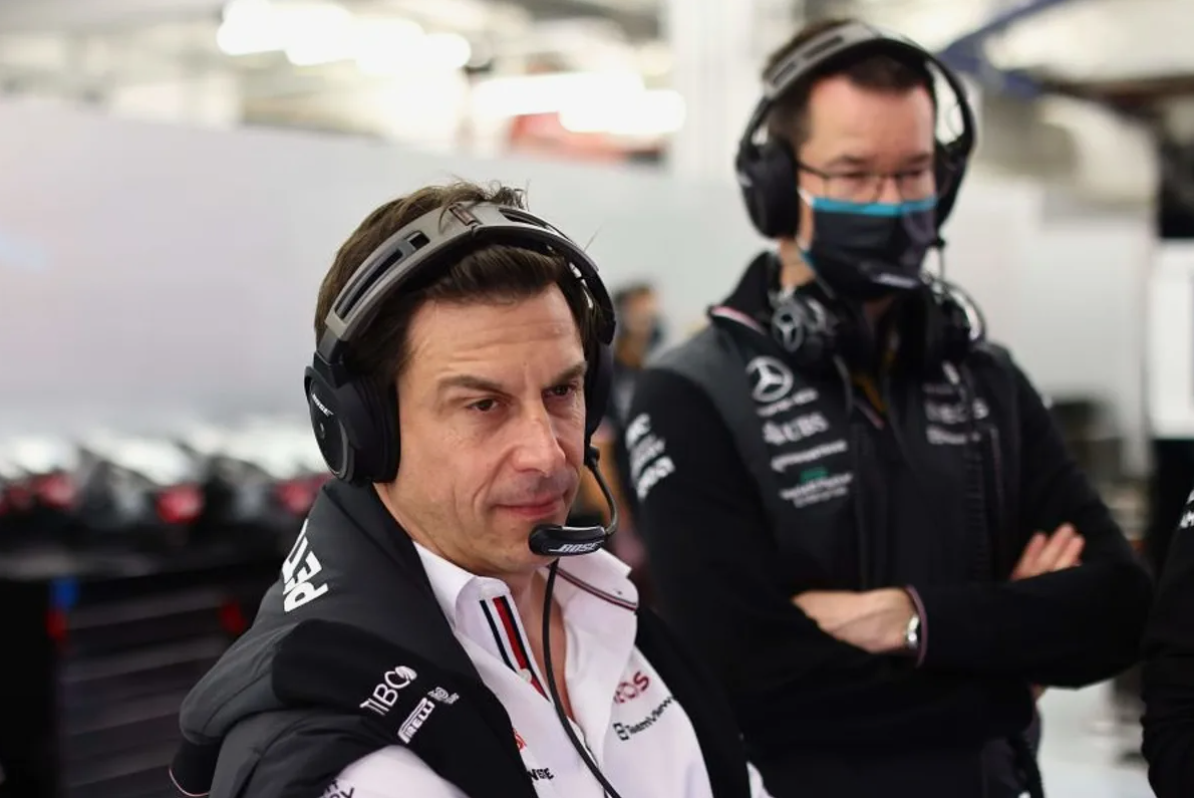
The transition phase at Mercedes has become one of the most closely followed stories in modern Formula 1. After the end of a dominant era, the team is now focusing on rebuilding its future around young talent such as Andrea Kimi Antonelli, who has been strongly praised by Toto Wolff.
The Mercedes team principal has described Antonelli as a potential “global rock star” of the next generation, highlighting both his sporting talent and his wider impact on the sport.
The Beginning of a New Mercedes Era
Mercedes is currently undergoing a structural and sporting transition, focusing on long-term competitiveness rather than short-term dominance.
- Development of new young driver programs
- Renewal of engineering structure
- Adaptation to ground-effect regulations
- Long-term performance rebuilding strategy
- Focus on future championship cycles
Antonelli is considered one of the central figures in this long-term project.
Why Antonelli Is Called a “Global Star”
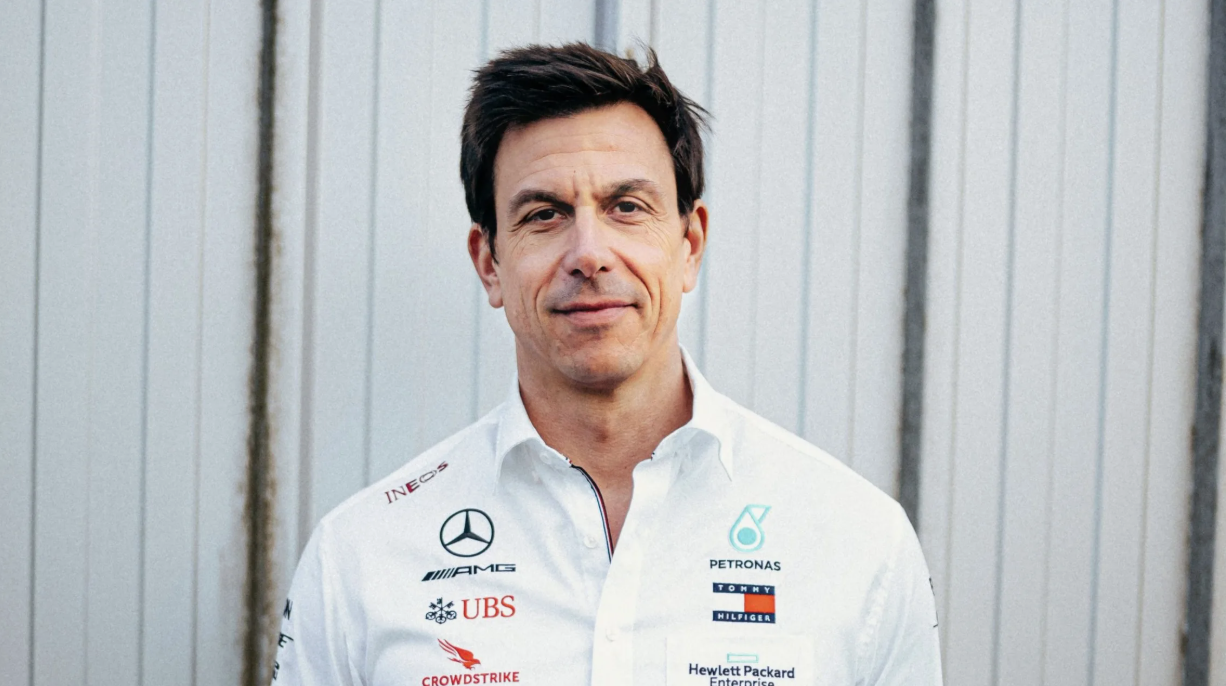
Toto Wolff’s description of Antonelli goes beyond racing performance alone. It includes personality, marketing potential, and long-term influence within Formula 1.
Main reasons behind the comparison:
- Exceptional pace in junior categories
- Fast adaptation to high-performance machinery
- Strong mental composure under pressure
- High commercial and global appeal potential
- Alignment with Mercedes’ long-term vision
Technical Analysis Block (~1000 Characters)
The development of Andrea Kimi Antonelli within Mercedes reflects a highly structured and modern approach to Formula 1 driver preparation. Today’s F1 environment requires far more than raw speed, as drivers must master complex hybrid systems, tyre management strategies, and aerodynamic sensitivity. Mercedes’ program focuses on integrating Antonelli into this technical ecosystem through simulator work, data analysis, and progressive exposure to high-performance conditions. Toto Wolff’s comments emphasize not only his natural speed but also his ability to adapt quickly to complex technical demands. In modern Formula 1, consistency, feedback quality, and decision-making under pressure are just as important as outright lap time. Antonelli’s development path is designed to ensure that when he reaches a full-time race seat, he is already fully aligned with Mercedes’ engineering philosophy and operational structure.
Mercedes Driver Development Strategy
1. Simulator Training
- High-fidelity race simulations
- Continuous feedback loops with engineers
2. Junior Category Progression
- Step-by-step advancement through racing series
- Focus on consistency and learning
3. Technical Education
- Hybrid system understanding
- Aerodynamics and race strategy training
4. Mental Preparation
- Pressure management
- Media training
- Race weekend decision-making
Antonelli’s Position in Mercedes Structure
Antonelli is considered one of the key long-term assets within Mercedes’ development pipeline.
- Continued progression in junior series
- Integration into simulator programs
- Increased technical involvement with engineers
- Preparation for future Formula 1 opportunities
Comparison Table: Driver Development Path
| Factor | Typical Rookie | Antonelli Profile |
|---|---|---|
| Experience level | Limited | Highly developed in junior categories |
| Simulator integration | Basic | Advanced factory involvement |
| Technical feedback | Developing | Structured and precise |
| Race consistency | Inconsistent | Rapidly improving |
| F1 readiness | Long-term process | Accelerated development path |
Toto Wolff’s Strategic Vision
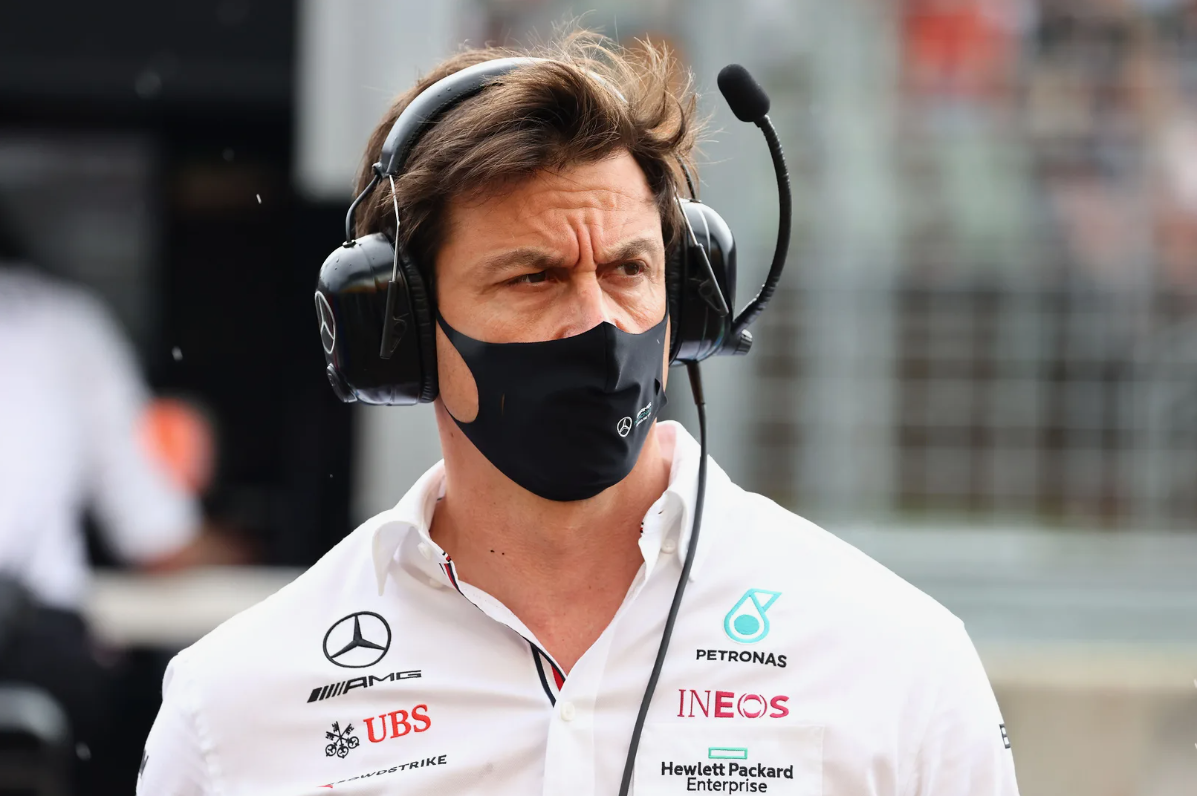
Toto Wolff continues to focus on long-term competitiveness, ensuring Mercedes remains strong beyond current regulation cycles.
- Building a new generation of drivers
- Preparing for future regulation changes
- Maintaining brand and competitive strength
- Developing internal technical stability
Pressure and Expectations
Being labeled a future star brings both opportunity and pressure. Mercedes is carefully managing Antonelli’s development to avoid excessive external expectations.
- High media attention at a young age
- Comparisons with established champions
- Performance expectations in simulator programs
- Long-term career planning pressure
Future Outlook for Mercedes
Mercedes is preparing for a new competitive cycle, with young drivers playing a central role in its future strategy.
- Return to championship contention
- Improved aerodynamic performance
- Stronger driver-engineer collaboration
- Long-term lineup stability
Conclusion
The statements from Toto Wolff highlight Mercedes’ clear direction: the future of the team will be built around structured development and emerging talent.
Andrea Kimi Antonelli represents more than just a promising rookie—he is a key part of Mercedes’ long-term vision for success in Formula 1.
No Comments