
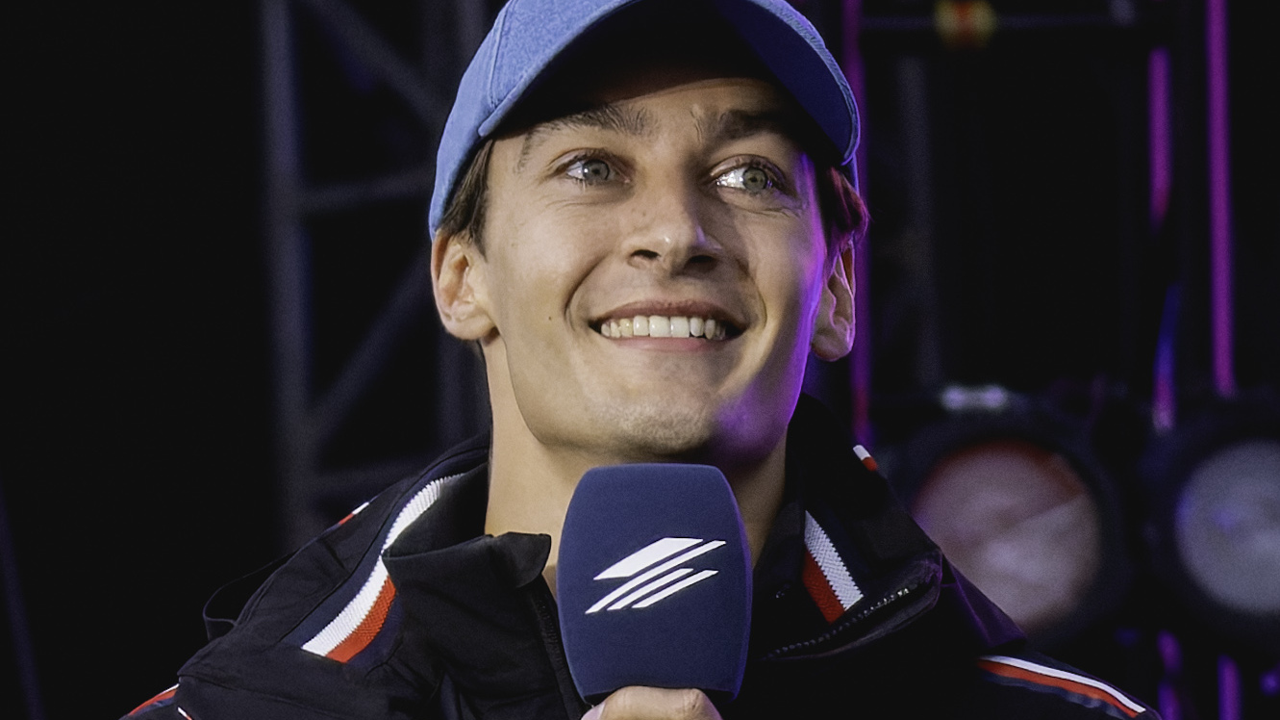
Το ότι ο Τζορτζ Ράσελ έφτασε τους 100 αγώνες με τη Mercedes δεν είναι απλώς ένας αριθμός που τον έφερε σε επαφή με τον μέσο όρο. Είναι μια υπενθύμιση του πόσο έχει αλλάξει η θέση του μέσα στην ομάδα.
Η φωτογραφική ανασκόπηση των χρόνων του Russell στη Mercedes μεταβαίνει από τις πρώτες ευκαιρίες και την πρώιμη μάθηση σε έναν ρόλο όπου πλέον φέρει μεγαλύτερο μερίδιο του ανταγωνιστικού βάρους.
Τι αλλάζει στην πραγματικότητα η ενημέρωση
Το πρώτο γεγονός είναι άμεσο: ο Russell έχει φτάσει τους 100 αγώνες με τη Mercedes. Δεν είναι ένα χαλαρό θέμα συζήτησης. Αυτό δίνει στη στιγμή περισσότερη ουσία από μια απλή επέτειο και αλλάζει τον τρόπο με τον οποίο θα κριθεί το επόμενο αποτέλεσμα.
Η ευρύτερη ερμηνεία αφορά τη μετάβαση του Russell από πολλά υποσχόμενο μέλος της Mercedes στην πιο σταθερή εβδομαδιαία αναφορά της ομάδας. Η πρώιμη ιστορία του με τη Mercedes χτίστηκε γύρω από την απόδειξη ότι θα μπορούσε να ανήκει σε μια κορυφαία ομάδα. Αυτό θέτει την ενημέρωση μέσα σε μια ζωντανή ανταγωνιστική διαμάχη αντί να την αφήσει ως σημείωση στο βιβλίο ρεκόρ.
Πού εμφανίζεται η πίεση
Η τρέχουσα εκδοχή της ιστορίας τον τοποθετεί ως σημείο αναφοράς για την εκτέλεση του αγώνα. Η συνέπεια είναι πρακτική: η Mercedes τον αξιολογεί πλέον μέσω αποφάσεων που λαμβάνονται υπό πίεση. Η ομάδα, ο οδηγός ή ο αγώνας που εμπλέκεται πρέπει τώρα να αποδείξει ότι η ίδια λεπτομέρεια μπορεί να επιβιώσει ένα λιγότερο φιλικό Σαββατοκύριακο.
Το ορόσημο φτάνει καθώς η Mercedes διαχειρίζεται την πίεση από τη Ferrari και τη McLaren. Εκεί είναι που η ακρίβεια στις κατατακτήριες, η κρίση για τη διάρκεια ζωής των ελαστικών και η σαφήνεια που χρειάζεται η Mercedes όταν οι αγώνες είναι πιο δύσκολοι, αποκτούν μεγαλύτερη σημασία από τον ίδιο τον τίτλο.
Η άνοδος του Antonelli αλλάζει την εσωτερική σύγκριση μέσα στην ομάδα. Ένας νεαρός συμπαίκτης κάνει το σημείο αναφοράς του Russell ακόμα πιο ορατό. Το χρήσιμο ερώτημα δεν είναι αν η ενημέρωση ακούγεται εντυπωσιακή, αλλά αν δίνει στην επόμενη περίοδο ή αν ταιριάζει με ένα πιο καθαρό σχήμα.
Βασικές λεπτομέρειες
| Περιοχή | Λεπτομέρεια |
|---|---|
| Milestone | 100 αγώνες με τη Mercedes |
| Τρέχων ρόλος | ανώτερη αναφορά μέσα σε μια μεταβαλλόμενη σύνθεση |
| Περιοχή πίεσης | μετατρέποντας τον ρυθμό σε καθαρότερα, ολόκληρα Σαββατοκύριακα |
| Επόμενος έλεγχος | Πώς αντιδρά ο Russell όταν οι αντίπαλοι αναγκάζουν τη Mercedes να ρισκάρει |
Γιατί η λεπτομέρεια έχει σημασία πέρα από τον τίτλο
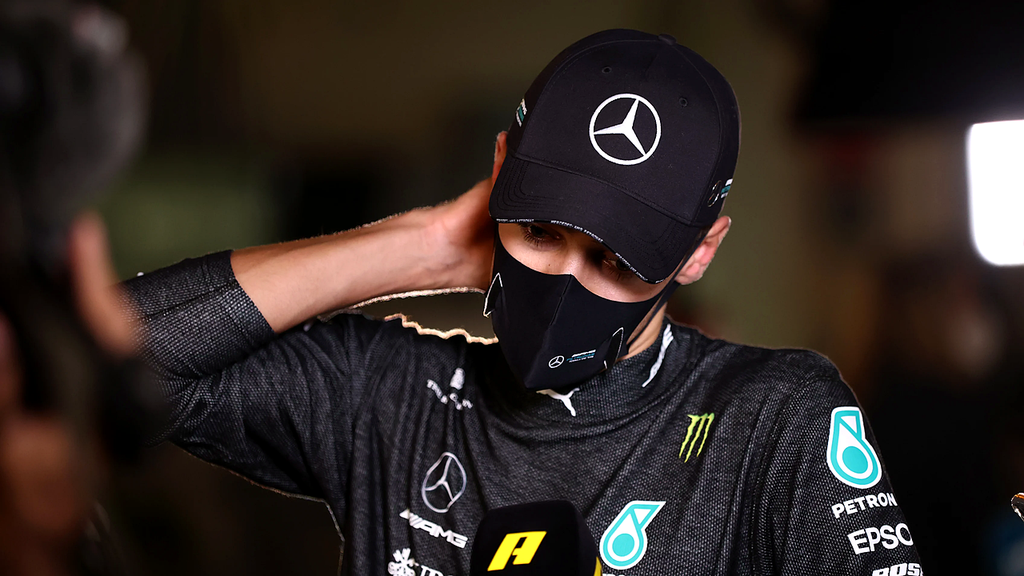
Το Σαββατοκύριακο του Russell στη Βαρκελώνη έδειξε πώς μικρά λειτουργικά προβλήματα μπορούν να αλλάξουν το τελικό αποτέλεσμα. Γι' αυτό ο επόμενος αγώνας έχει μεγαλύτερη σημασία από την επιλογή των φωτογραφιών. Αυτή η λεπτομέρεια είναι η γέφυρα μεταξύ αυτού που έχει ήδη συμβεί και αυτού που θα μετρήσει στη συνέχεια το paddock ή η βάση των οπαδών.
Ένα φωτογραφικό ορόσημο μπορεί να κρύψει την ανταγωνιστική πίεση που συνδέεται με την επόμενη φάση. Ο αριθμός δημιουργεί προοπτική, αλλά δεν μειώνει τις προσδοκίες. Ένα μεμονωμένο γεγονός μπορεί να ξεκινήσει τη συζήτηση, αλλά η επαναληψιμότητα αποφασίζει αν η ιστορία θα γίνει μέρος της κατεύθυνσης της σεζόν.
Η Mercedes χρειάζεται την εμπειρία του Russell για να γίνουν επαναλήψιμοι πόντοι και όχι μεμονωμένα δυνατά Σαββατοκύριακα. Αν συμβεί αυτό, το ορόσημο μπορεί να γίνει πλατφόρμα και όχι παύση. Αυτό εξηγεί επίσης γιατί το επόμενο σημείο ελέγχου δεν μπορεί να αντιμετωπιστεί ως ρουτίνα.
Το πιο δυνατό σημείο του χρονοδιαγράμματος του Russell με τη Mercedes είναι ότι δεν είναι σε ευθεία γραμμή. Έφτασε με πολλές υποσχέσεις, έμαθε μέσα από δύσκολες ιδέες για αυτοκίνητα, κέρδισε όταν εμφανίστηκαν ευκαιρίες και στη συνέχεια έπρεπε να γίνει κάτι περισσότερο από ένας γρήγορος που προκρίθηκε.
Εκατό αγώνες δίνουν στη Mercedes αρκετά στοιχεία για να καταλάβει κανείς τα δυνατά του σημεία. Είναι ήρεμος στις ενημερώσεις, γρήγορος σε έναν γύρο και συνήθως ακριβής όταν η διάρκεια ζωής των ελαστικών γίνεται ο καθοριστικός παράγοντας.
Το επόμενο επίπεδο είναι πιο δύσκολο. Ο Russell πρέπει τώρα να μετατρέψει αυτό το προφίλ σε Σαββατοκύριακα όπου η Mercedes δεν θα αφήσει πίσω της βαθμούς.
Γι' αυτό το ορόσημο βρίσκεται δίπλα στη συζήτηση για τους τρέχοντες κανόνες της ομάδας. Όταν τα περιθώρια συρρικνώνονται, η εμπειρία πρέπει να φανεί στη διαχείριση των γύρων, στην καθαρότητα του ραδιοφώνου και στις εκκινήσεις του αγώνα.
Ο Ράσελ δεν χρειάζεται τον αριθμό για να αποδείξει ότι ανήκει κάπου. Χρειάζεται τους αγώνες μετά από αυτόν για να αποδείξει ότι η Mercedes μπορεί να χτίσει γύρω του όσο η μάχη για τον τίτλο γίνεται πιο έντονη.
Η φωτογραφική ιστορία γίνεται επομένως ένα ανταγωνιστικό ερώτημα: τι κάνει η Mercedes με έναν οδηγό που δεν εξελίσσεται πλέον δημόσια, αλλά αναμένεται να αποδίδει κάθε εβδομάδα;
Το επόμενο αποδεικτικό στοιχείο
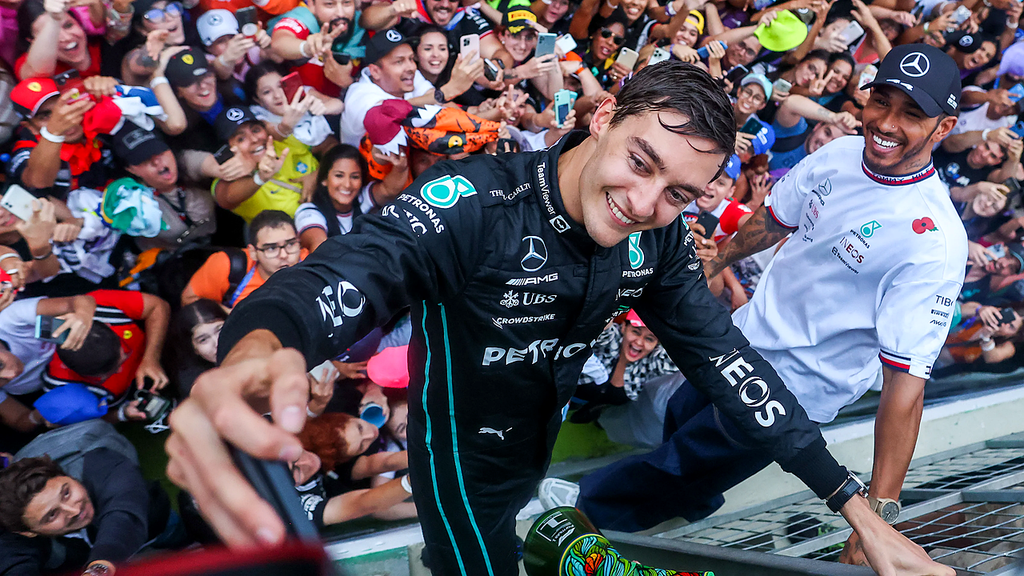
Το πιο ξεκάθαρο πράγμα που πρέπει να παρακολουθήσετε είναι το πώς εξελίσσεται η σύγκριση Russell-Antonelli μόλις το ημερολόγιο αφήσει πίσω του το ορόσημο. Αν αυτό το μέρος ισχύει, η ενημέρωση γίνεται απόδειξη. Αν ξεθωριάσει, η ιστορία θα μείνει στη μνήμη ως μια σύντομη έκρηξη ορμής.
Για τους αναγνώστες, το χρήσιμο πλαίσιο είναι απλό: κρατήστε το αποτέλεσμα που έχετε ορίσει και, στη συνέχεια, ακολουθήστε την επόμενη τεχνική ή ανταγωνιστική αντίδραση. Εκεί βρίσκεται η πραγματική αξία των ειδήσεων.
Το ρεκόρ των 100 αγώνων του Russell στη Mercedes είναι χρήσιμο επειδή πλαισιώνει το παρόν. Η ομάδα ξέρει τι είναι. Τώρα το ερώτημα είναι πόσα μπορούν να κερδίσουν με αυτή την εκδοχή του.
Η επόμενη χρήσιμη μέτρηση είναι η ακρίβεια στις κατατακτήριες δοκιμές, η αξιολόγηση της διάρκειας ζωής των ελαστικών και η σαφήνεια του ραδιοφώνου που χρειάζεται η Mercedes όταν οι αγώνες είναι πιο δύσκολοι. Αυτή η περιοχή θα καθορίσει εάν η επικαιρότητα μετατραπεί σε μοτίβο, επειδή κάθε επόμενο τρέξιμο δίνει στις ομάδες και τους αντιπάλους περισσότερα στοιχεία για να δοκιμάσουν.
Αυτό που κάνει την ενημέρωση άξια παρακολούθησης είναι το κενό μεταξύ του δημόσιου τίτλου και της λειτουργικής λεπτομέρειας πίσω από αυτόν. Ο τίτλος κατονομάζει τη στιγμή. Η λειτουργική λεπτομέρεια αποφασίζει εάν η στιγμή έχει ανταγωνιστική ζωή.
Ένα άλλο μέρος της ιστορίας αφορά την ακρίβεια στις κατατακτήριες δοκιμές, την αξιολόγηση της διάρκειας ζωής των ελαστικών και την σαφήνεια που χρειάζεται η Mercedes όταν οι αγώνες σφίγγουν. Αν αυτό το στοιχείο βελτιωθεί, τα ίδια νέα αρχίζουν να μοιάζουν με την αρχή μιας τάσης και όχι με μια μόνο δυνατή μέρα.
Η σεζόν δεν θα θυμάται μόνο την ανακοίνωση. Θα θυμάται αν οι εμπλεκόμενοι μπορούν να επαναλάβουν το ίδιο πρότυπο όταν η πίστα, ο αντίπαλος ή η μορφή γίνουν λιγότερο άνετα.
Η πίεση είναι επίσης ψυχολογική. Μόλις ένα αποτέλεσμα ή μια αλλαγή κανόνα λάβει τόση προσοχή, το επόμενο λάθος κρίνεται πιο γρήγορα και η επόμενη καθαρή απάντηση έχει μεγαλύτερη αξία.
Γι' αυτό το λόγο, η συνέχεια θα πρέπει να ερμηνεύεται πλήρως. Ένα καθαρό επόμενο βήμα θα έδινε στην αρχική ιστορία ισχυρότερες ρίζες, ενώ ένα ακατάστατο θα την έκανε να φαίνεται προσωρινή.
Υπάρχει επίσης ένα στρατηγικό επίπεδο που συνδέεται με την ακρίβεια στις κατατακτήριες δοκιμές, την αξιολόγηση της διάρκειας ζωής των ελαστικών και την σαφήνεια που χρειάζεται η Mercedes όταν οι αγώνες είναι πιο δύσκολοι. Οι ομάδες μπορούν να μιλήσουν για μια ιστορία μόνο για ένα ορισμένο χρονικό διάστημα πριν ο χρόνος, η προετοιμασία και η λήψη αποφάσεων αποκαλύψουν το πραγματικό επίπεδο.

Για τους θαυμαστές, ο καλύτερος τρόπος να κατανοήσουν την κατάσταση είναι να αγνοήσουν τον θόρυβο για μία συνεδρία και να παρακολουθήσουν τις μετρήσιμες λεπτομέρειες. Αυτές οι λεπτομέρειες συνήθως εξηγούν εάν η αντίδραση είναι δικαιολογημένη.
Η χρήσιμη σύγκριση δεν γίνεται με τον πιο ηχηρό τίτλο της ίδιας εβδομάδας. Είναι με την επόμενη στιγμή όπου η ίδια αδυναμία ή δύναμη εμφανίζεται υπό πίεση.
Αν η επόμενη απάντηση είναι ακριβής, η ιστορία αποκτά βάθος. Αν είναι χαλαρή, η τρέχουσα ενημέρωση θα παραμείνει ενδιαφέρουσα αλλά όχι καθοριστική.
Ένας άλλος λόγος για να κρατήσουμε την ιστορία ανοιχτή είναι η μετάβαση του Russell από πολλά υποσχόμενο μέλος της Mercedes στην πιο σταθερή εβδομαδιαία αναφορά της ομάδας. Αυτό το πλαίσιο δίνει στην επόμενη αγωνιστική απόφαση ένα πιο έντονο πλεονέκτημα από ό,τι μπορεί να δείξει ο τίτλος από μόνος του.
Η πιο δυνατή συνέχεια θα ήταν ένα Σαββατοκύριακο ή μια σειρά όπου το ίδιο θέμα εμφανίζεται ξανά χωρίς να χρειάζεται εξήγηση. Αυτού του είδους η επανάληψη είναι που μετατρέπει τις ειδήσεις σε μορφή.
Υπάρχει ακόμα περιθώριο για να αλλάξει η εικόνα. Ένα καθαρό αποτέλεσμα μπορεί να είναι πειστικό, αλλά το επόμενο λάθος, καθυστέρηση ή στρατηγική απόφαση θα δείξει πόσο διαρκής είναι η αλλαγή.
Αυτό καθιστά σημαντική τη βραχυπρόθεσμη αντίδραση. Μια ομάδα που κατανοεί τη λεπτομέρεια θα την προστατεύσει νωρίς. Μια ομάδα που την αντιμετωπίζει ως φόντο πιθανότατα θα δώσει στους αντιπάλους της μια ευκαιρία.
Το πλαίσιο εργασίας αλλάζει επίσης τον τρόπο με τον οποίο οι υποστηρικτές ερμηνεύουν την ιστορία. Δεν αναζητούν μόνο ένα όνομα ή ένα στατιστικό στοιχείο, αλλά θέλουν και αποδείξεις ότι το επόμενο βήμα έχει προετοιμαστεί σωστά.
Αυτά τα στοιχεία θα πρέπει να προέρχονται πρώτα από τους μικρούς τομείς: προετοιμασία, επικοινωνία και ικανότητα προσαρμογής πριν η πίεση γίνει ορατή στον πίνακα αποτελεσμάτων ή στην οθόνη χρονομέτρησης.
Το πιο πολύτιμο μέρος της ενημέρωσης είναι ότι δίνει στο επόμενο συμβάν μια ερώτηση που μπορεί να ελεγχθεί. Εάν η απάντηση είναι σαφής, η αρχική είδηση θα φαίνεται πιο ισχυρή εκ των υστέρων.
Αν η απάντηση είναι αβέβαιη, η ιστορία εξακολουθεί να έχει ενδιαφέρον, αλλά θα χρειαστεί ένα δεύτερο αποδεικτικό στοιχείο προτού αλλάξει τη συζήτηση για την ευρύτερη σεζόν.



Χωρίς σχόλια