
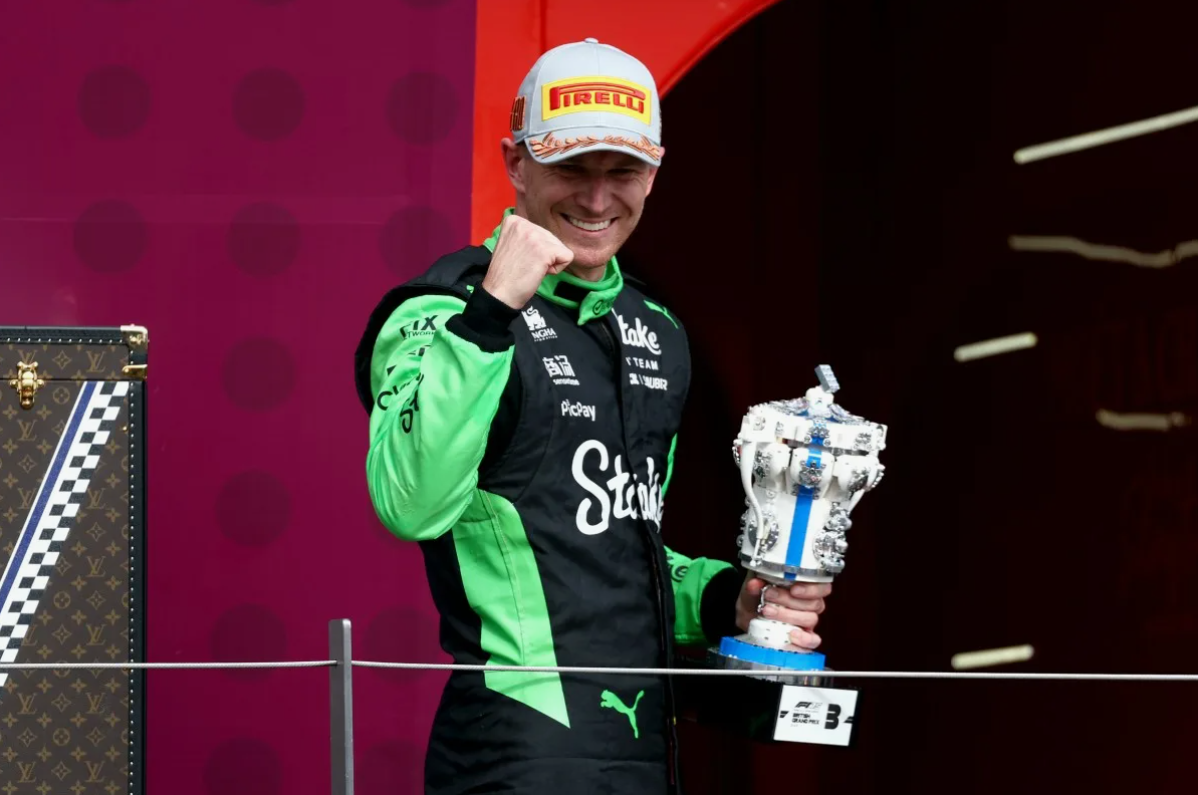
The Monaco Grand Prix once again delivered its characteristic mix of glamour, frustration, and strategic complexity. For drivers like Nico Hülkenberg, the weekend highlighted just how unforgiving the narrow streets of Monte Carlo can be.
After the race, Hülkenberg described his experience in vivid terms, comparing it to “a bicycle chain that keeps slipping off,” emphasizing the lack of rhythm and consistency throughout the weekend.
Overview of the Monaco Grand Prix Weekend
Monaco remains one of the most demanding circuits in Formula 1 due to its tight layout, minimal overtaking opportunities, and extremely low margins for error.
- Extremely limited overtaking opportunities
- High dependence on qualifying performance
- Safety car-driven strategic variation
- High tyre management sensitivity
- Minimal performance gaps in midfield
Even small mistakes in qualifying often define the entire race outcome.
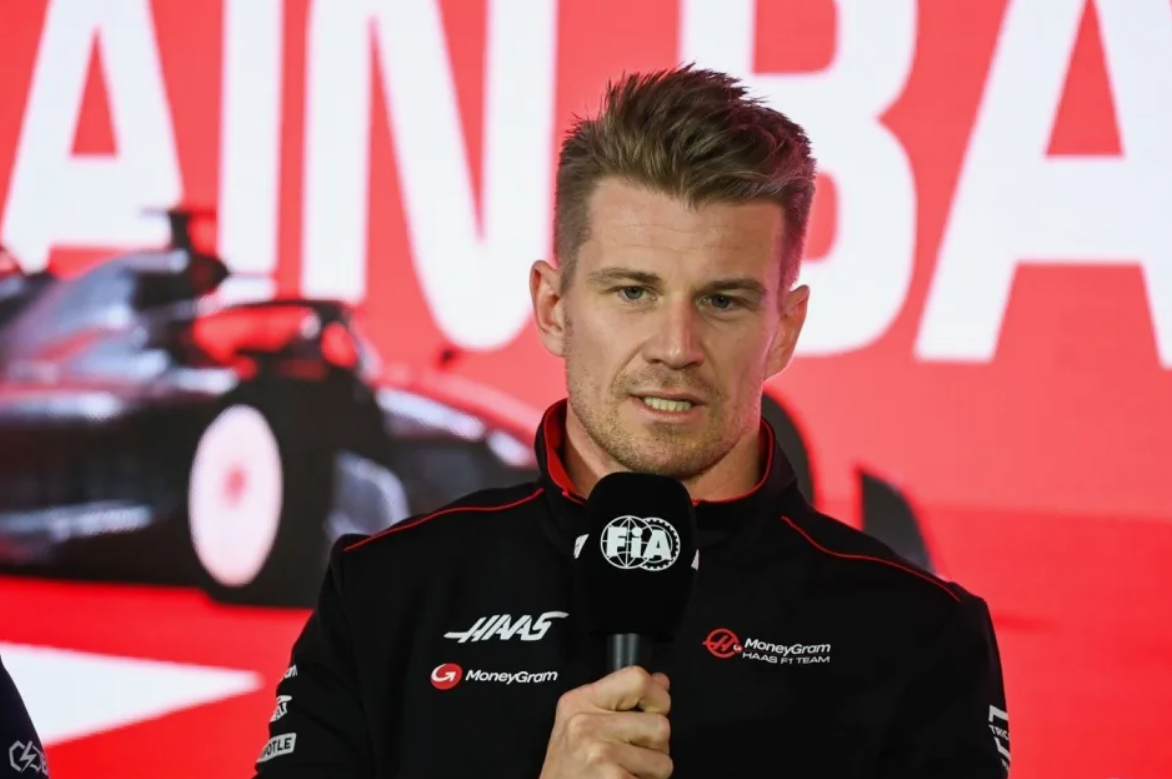
Hülkenberg’s Race Experience
Hülkenberg’s comments reflected frustration with the rhythm of the weekend. The car felt inconsistent, making it difficult to build confidence over long stints.
Main issues reported:
- Lack of predictable grip levels
- Difficulty maintaining tyre temperature
- Heavy traffic during race phases
- Limited strategic flexibility
Monaco amplifies small weaknesses in car balance, turning them into major performance limitations.
Technical Analysis Block (~1000 Characters)
Monaco is uniquely challenging because the circuit layout eliminates many of the usual recovery opportunities seen at other tracks. For drivers like Nico Hülkenberg, the lack of overtaking zones means that qualifying position becomes disproportionately important compared to pure race pace. Throughout the weekend, even minor setup inconsistencies can result in significant time loss due to constant precision requirements in low-speed corners. In Hülkenberg’s case, the feeling of instability suggests the car was operating outside its optimal aerodynamic window, particularly in slow-speed traction zones. When rear stability is compromised in Monaco, drivers often struggle to trust corner entry, which leads to conservative driving and reduced lap time potential. This creates a compounding effect where tyre management becomes more difficult, strategy options become limited, and overall race rhythm is disrupted. As a result, even experienced drivers can feel as though they are constantly reacting rather than controlling the race flow.
Why Monaco is So Difficult for Drivers
1. Track Layout
- Narrow streets with minimal space
- No runoff areas
- Constant barrier proximity
2. Qualifying Importance
- Starting position is crucial
- Top 10 grid spot is essential
3. Strategy Limitations
- Few viable pit strategies
- Safety cars heavily influence outcomes
4. Mental Pressure
- Zero margin for error
- Constant concentration required
Team Strategy Comparison
| Area | Standard Circuit | Monaco GP |
|---|---|---|
| Setup focus | Race balance | Qualifying performance |
| Overtaking strategy | Active race planning | Track position defense |
| Tyre management | Long-run optimization | Short stint control |
| Risk level | Moderate aggression | Maximum caution |
| Pit strategy | Flexible windows | Safety-car dependent |
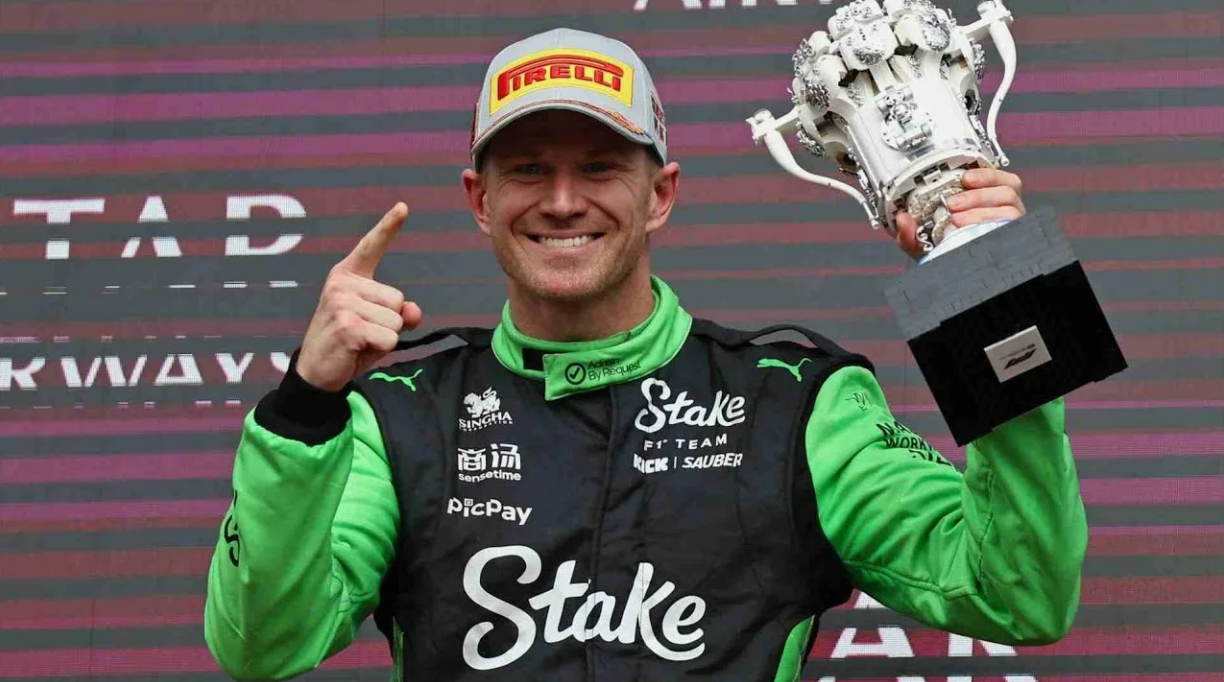
Midfield Challenges
For drivers like Nico Hülkenberg, Monaco exposes performance limitations more clearly than most circuits.
- Difficulties reaching Q3
- Limited overtaking opportunities
- High tyre sensitivity
- Traffic management issues
- Strategy dependency on external events
Driver Feedback Interpretation
Hülkenberg’s “bicycle chain” analogy reflects more than frustration—it highlights a lack of rhythm and consistency in car behavior.
- Interrupted cornering flow
- Unstable mechanical balance
- Inconsistent grip feedback
- Reduced confidence over laps
This type of feedback is valuable for engineers, as Monaco reveals issues that may not appear elsewhere.
Race Summary
Despite the difficulties, Hülkenberg completed a clean race without major incidents. However, the lack of competitive rhythm limited progress through the field.
- Clean execution under pressure
- Limited strategic upside
- Car not fully optimized for circuit type
- Experience helped damage limitation
Conclusion
The Monaco Grand Prix once again proved why it remains one of the most demanding events in Formula 1. For Nico Hülkenberg, the weekend was defined by inconsistency, limited opportunities, and the extreme sensitivity of the street circuit layout.
While the result may not reflect strong performance, the insights gained from Monaco are valuable for future setup and development work across the season.
No Comments