
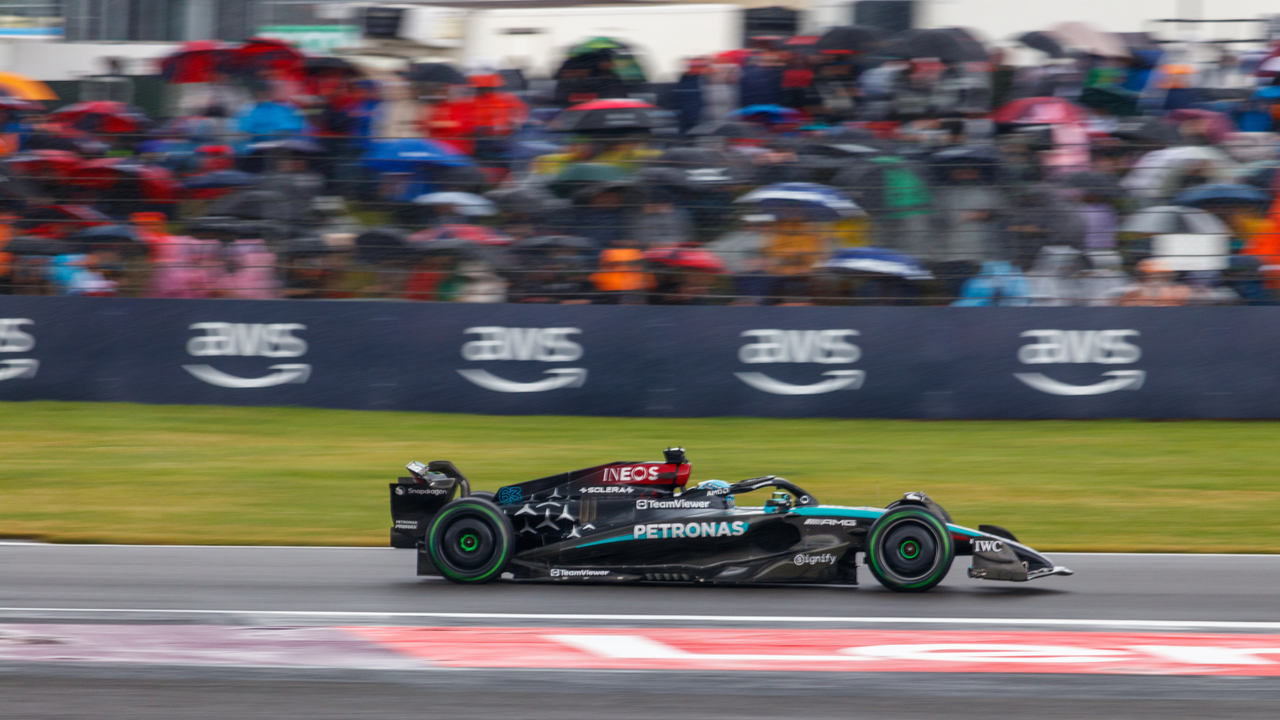
Το δίλημμα των Silver Arrows: Ελεύθεροι αγώνες ή ελεγχόμενη στρατηγική στον Spielberg;
Το Σαββατοκύριακο του Αυστριακού Γκραν Πρι — που θα διεξαχθεί από τις 25 έως τις 28 Ιουνίου στο Red Bull Ring — φτάνει ακριβώς στη στιγμή που η Mercedes πρέπει να αρχίσει να αντιμετωπίζει ένα ερώτημα που τελικά αντιμετωπίζει κάθε ομάδα που διεκδικεί τον τίτλο: πότε η υποστήριξη ενός πρωτοπόρου του πρωταθλήματος υπερισχύει έναντι του να επιτρέπεται και στους δύο οδηγούς να αγωνίζονται ελεύθερα;
Με τον Kimi Antonelli να βρίσκεται στην κορυφή της βαθμολογίας των οδηγών με 156 βαθμούς και τον George Russell τρίτο με 106, η ομάδα του Brackley κατέχει μια αξιοσημείωτα ισχυρή θέση ενόψει του Spielberg, ωστόσο αυτή ακριβώς η δύναμη είναι που κάνει την εσωτερική δυναμική τόσο εύφλεκτη.
Σαράντα ένας βαθμοί χωρίζουν τον Αντονέλι από τον Λιούις Χάμιλτον στη Ferrari, μια διαφορά που δίνει την αίσθηση άνεσης, αλλά κάθε άλλο παρά καθοριστική είναι στα μισά της σεζόν, η οποία διέπεται από εντελώς νέους τεχνικούς κανονισμούς.
Ο Russell, εν τω μεταξύ, βρίσκεται μόλις εννέα βαθμούς πίσω από τον Hamilton και είναι από μόνος του ένας διεκδικητής του πρωταθλήματος. Η Mercedes, λοιπόν, δεν καταφέρνει απλώς να κατακτήσει έναν τίτλο - καταφέρνει δύο, και η Αυστρία είναι το Σαββατοκύριακο όπου αυτές οι διπλές φιλοδοξίες θα μπορούσαν να αρχίσουν να τραβούν σε αντίθετες κατευθύνσεις.
Η εικόνα του πρωταθλήματος - Είσοδος στην Αυστρία
Για να κατανοήσουμε το τακτικό παζλ με το οποίο αντιμετωπίζει η Mercedes, οι αριθμοί πρέπει να εξεταστούν στο πλήρες πλαίσιο. Οι 156 βαθμοί του Antonelli αντιπροσωπεύουν ένα πραγματικό επίτευγμα για έναν οδηγό μόλις στη δεύτερη σεζόν του στη Formula 1, πλοηγούμενος στην πιο ριζική κανονιστική αναθεώρηση που έχει δει το άθλημα εδώ και χρόνια.
Οι κανονισμοί του 2026 εισήγαγαν εντελώς νέα αρχιτεκτονική αυτοκινήτων και αναθεωρημένες προδιαγραφές μονάδας ισχύος, αναδιαμορφώνοντας την αγωνιστική σειρά και δημιουργώντας ευκαιρίες για τους νεότερους οδηγούς να καθιερωθούν χωρίς το βάρος της κληρονομίας των δεδομένων αναφοράς ενός άλλου αυτοκινήτου.
Οι 106 βαθμοί του Russell δεν είναι λιγότερο εντυπωσιακοί. Ο Βρετανός οδηγός ήταν σταθερά γρήγορος και, το πιο σημαντικό, έχει επιδείξει την αγωνιστική του ικανότητα να μετατρέπει τις θέσεις στην εκκίνηση σε βάθρα.
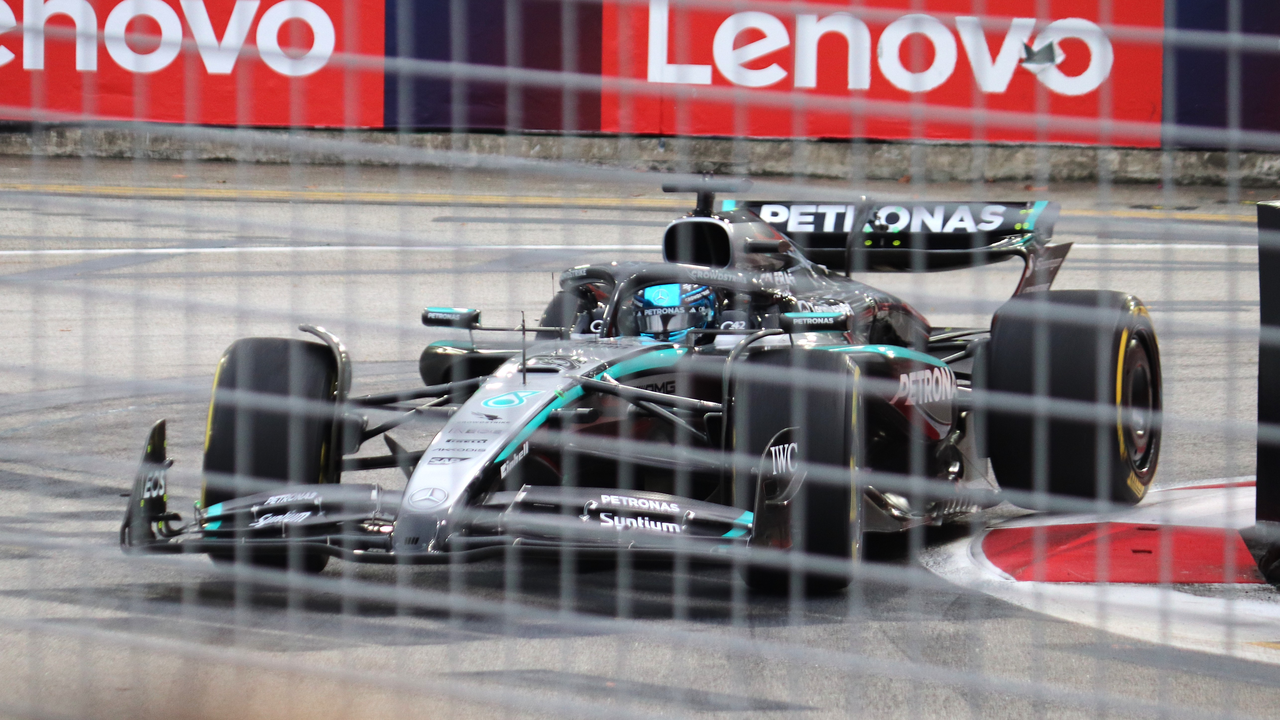
Η εγγύτητά του με τον Χάμιλτον — που τους χωρίζουν μόλις εννέα βαθμοί — υπογραμμίζει ότι η εσωτερική πρόκληση της Ferrari δεν διαφέρει και τόσο από αυτή της Mercedes, αν και ο Χάμιλτον παραμένει η κορυφαία φυσιογνωμία στο Μαρανέλο με κάθε ουσιαστική έννοια.
Οι θέσεις πρωταθλήματος στο κέντρο της ομάδας που κατέχουν οι Norris (73) και Piastri (68) της McLaren χρησιμεύουν ως υπενθύμιση ότι η ανταγωνιστική ομάδα δεν έχει ακόμη ανοίξει αρκετά ώστε οποιαδήποτε ομάδα να κάνει μεγάλες στρατηγικές παραχωρήσεις.
| Pos | Οδηγός | Η ομάδα μας | σημεία | Κενό προς τον Ηγέτη |
|---|---|---|---|---|
| 1 | Κύμη Αντονέλλη | Mercedes | 156 | - |
| 2 | Ο Lewis Hamilton | Ferrari | 115 | -41 |
| 3 | George Russell | Mercedes | 106 | -50 |
| 4 | Charles Leclerc | Ferrari | 75 | -81 |
| 5 | Λάντο Νόρις | McLaren | 73 | -83 |
| 6 | Όσκαρ Πιάστρι | McLaren | 68 | -88 |
| 7 | Max Verstappen | κόκκινος ταύρος | 55 | -101 |
Χαρακτηριστικά του Red Bull Ring και η ευκαιρία της Mercedes
Το Red Bull Ring είναι μία από τις μικρότερες πίστες στο ημερολόγιο της Formula 1, μια πίστα σε μεγάλο υψόμετρο στους λόφους της Στυρίας που ανταμείβει την απόδοση της μονάδας ισχύος και την αεροδυναμική ισορροπία μέσα από τις σαρωτικές, γρήγορες στροφές της.
Με τους νέους κανονισμούς για τις μονάδες ισχύος του 2026 να δίνουν νέα έμφαση στην ηλεκτρική ανάπτυξη, η ξεχωριστή διάταξη της πίστας —με μεγάλες ευθείες που οριοθετούνται από ζώνες έντονου φρεναρίσματος— θα μπορούσε να ταιριάξει με τις ομάδες που έχουν βελτιστοποιήσει τις στρατηγικές ανάκτησης ενέργειας με τον πιο αποτελεσματικό τρόπο.
Για τη Mercedes, μια ισχυρή απόδοση στην Αυστρία θα ήταν ιδιαίτερα σημαντική.
Η μάχη του πρωταθλήματος κατασκευαστών είναι παράλληλη με την ατομική κούρσα για τον τίτλο, και ένα 1-2 στο Spielberg θα ενίσχυε ταυτόχρονα τους βαθμούς κατασκευαστών της ομάδας, τοποθετώντας παράλληλα τον Antonelli στην ιδανική ψυχολογική θέση ενόψει του καλοκαιριού.
Η πίστα έχει ιστορικά ανταμείψει τους αγώνες τροχός με τροχό και η συμπαγής φύση της σημαίνει ότι η τοποθέτηση στην πίστα συχνά αποδεικνύεται καθοριστική — γι' αυτό ακριβώς κάθε συζήτηση για τις εντολές της ομάδας έχει πρόσθετο βάρος εδώ.
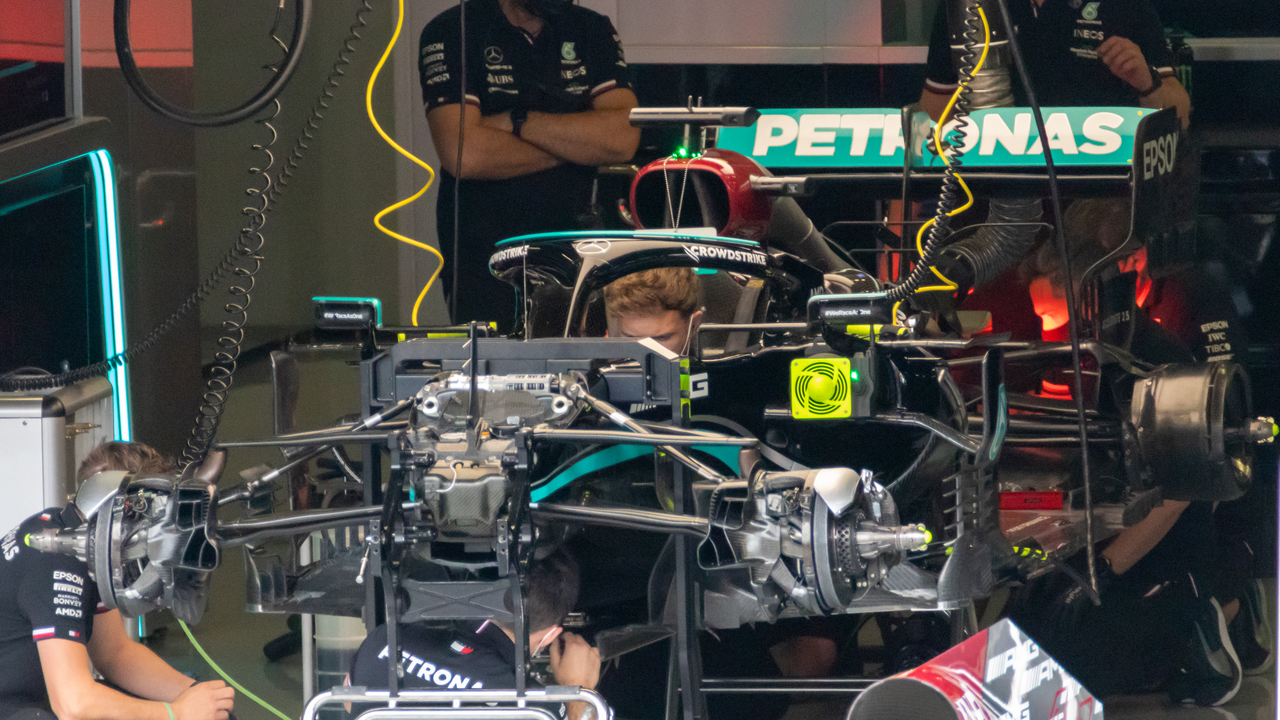
Μπορείτε να βρείτε μια λεπτομερή ανάλυση της διάταξης και της ιστορίας του χώρου στον οδηγό πίστας Red Bull Ring για το 2026 , ο οποίος καλύπτει τις βασικές ζώνες προσπεράσεων και τα χαρακτηριστικά των τομέων που θα καθορίσουν τις στρατηγικές επιλογές της Κυριακής.
Το επιχείρημα των ελεύθερων αγώνων: Γιατί η Mercedes μπορεί να καθυστερήσει
Υπάρχουν πειστικά επιχειρήματα υπέρ της Mercedes που επιτρέπουν στους οδηγούς της να αγωνίζονται χωρίς περιορισμούς στην Αυστρία. Με 50 βαθμούς να χωρίζουν ακόμα τον Russell από τον Antonelli, τα μαθηματικά δεν απαιτούν ακόμη ο ένας οδηγός να είναι υποδεέστερος του άλλου.
Ένα αυτοκίνητο ασφαλείας, μια μηχανική βλάβη ή ένα περιστατικό στον πρώτο γύρο θα μπορούσαν να αναδιαμορφώσουν δραματικά την κατάταξη σε ένα μόνο απόγευμα, και ο πρόωρος περιορισμός του Russell θα μπορούσε να κοστίσει στην ομάδα βαθμούς που δεν μπορεί να χάσει, δεδομένου του ρυθμού της Ferrari απέναντι στον Hamilton.
Επιπλέον, πρέπει να ληφθεί υπόψη το κίνητρο και η αφοσίωση του Russell στην καμπάνια. Ένας οδηγός που πιστεύει ότι διατηρεί μια πραγματική ευκαιρία για το πρωτάθλημα θα κερδίσει κάθε δέκατο στην πίστα.
Το να του δώσεις εντολή να διατηρήσει τη θέση του ή να παραχωρήσει θέση πριν από την ανάγκη είναι αριθμητικά σαφές ότι κινδυνεύει να μειώσει αυτό το ανταγωνιστικό πλεονέκτημα - όχι μόνο στην Αυστρία, αλλά και στους αγώνες που ακολουθούν.
Η εσωτερική δυναμική της ομάδας είναι εύθραυστη στις καλύτερες συνθήκες. Η κακή διαχείρισή της σε αυτό το στάδιο θα μπορούσε να αποδειχθεί πιο δαπανηρή από οποιοδήποτε βραχυπρόθεσμο στρατηγικό κέρδος.
Υπάρχει επίσης το ζήτημα της δημόσιας αντίληψης και της συμβατικής σχέσης του Ράσελ με την ομάδα.
Σε αντίθεση με ορισμένες ιστορικές διαφωνίες σχετικά με την τάξη της ομάδας, όπου ένας νεαρός οδηγός εξυπηρετούσε σαφώς έναν ανώτερο συνεργάτη, οι Russell και Antonelli κατέχουν πιο συμμετρικές θέσεις στην τρέχουσα ιεραρχία της Mercedes - ακόμα κι αν ο Ιταλός έχει αναδειχθεί ως η ταχύτερη δύναμη αυτή τη σεζόν.
Η διατήρηση της προσποίησης του ελεύθερου αγώνα για μερικούς ακόμη γύρους επιτρέπει στην ομάδα να προβάλει ενότητα και να αποφύγει τις εσωτερικές τριβές που έχουν εκτροχιάσει τις καμπάνιες τίτλου αλλού.
Χωρίς σχόλια