
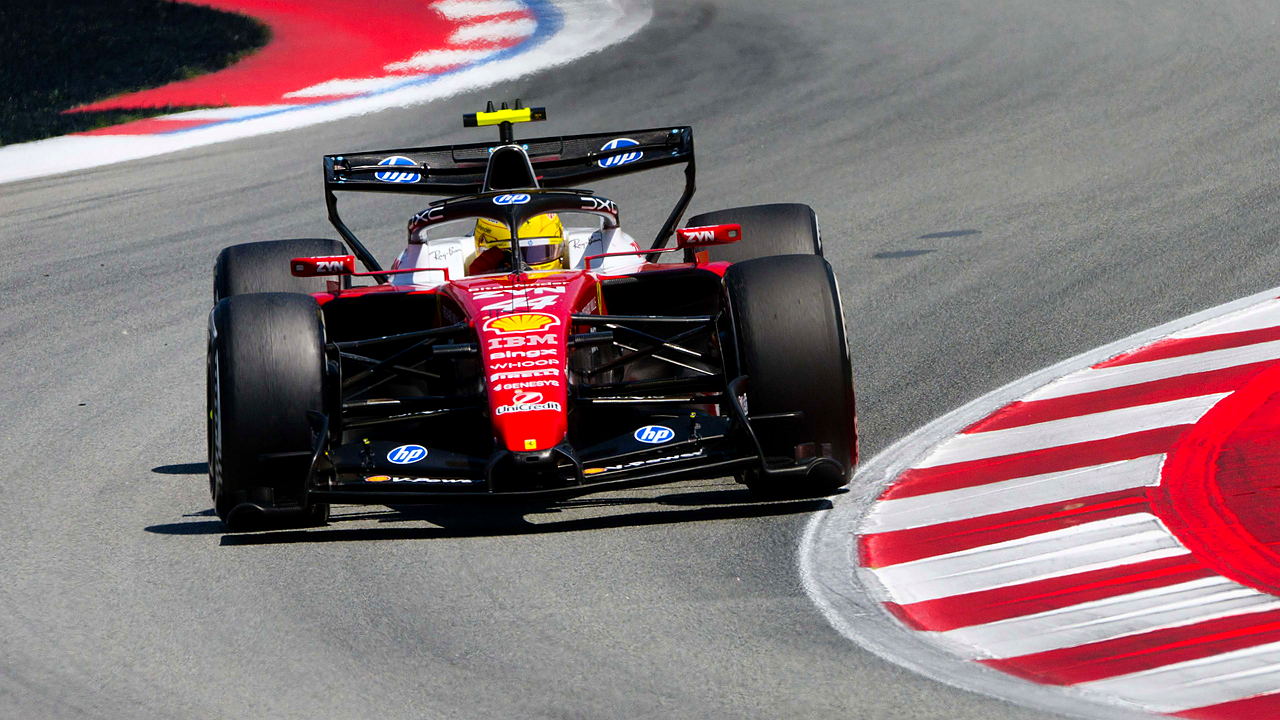
Ο Laurent Mekies περιέγραψε το Σαββατοκύριακο της Red Bull στη Βαρκελώνη ως μια αναμέτρηση με την ομάδα, μια φράση που αποτυπώνει πόσο γρήγορα αμφισβητήθηκε η προηγούμενη άνεση της ομάδας.
Μια προειδοποίηση από το εσωτερικό του καταυλισμού
Η διαπίστωση της πραγματικότητας είναι σκληρή γλώσσα για μια ομάδα που έχει συνηθίσει να ελέγχει την επίθεση. Υποδηλώνει ότι η Red Bull είδε αρκετά στη Βαρκελώνη για να αντιμετωπίσει το κενό ως διαρθρωτικό και όχι ως τυχαίο.
Η πίστα συνήθως δεν κρύβει αδυναμίες. Αν ένα αυτοκίνητο δεν έχει ισορροπία, έλεγχο ελαστικών ή αυτοπεποίθηση σε υψηλές ταχύτητες, η Βαρκελώνη μετατρέπει αυτά τα όρια σε χρόνο γύρου.
Αυτό καθιστά σημαντικό το σχόλιο του Mekies. Υποδεικνύει ότι μια ομάδα ερμηνεύει τον αγώνα ως σοβαρό σημείο αναφοράς αντί για ένα Σαββατοκύριακο που πρέπει να αγνοήσει.
Το σημαντικό μέρος του ελέγχου πραγματικότητας της Red Bull στη Βαρκελώνη είναι η χρονική στιγμή: η φράση έρχεται αμέσως μετά την μετέτρεψη της πίεσης από τη Ferrari σε νίκη στον αγώνα.
Γιατί η Μπαρτσελόνα έβλαψε την εικόνα
Η πρακτική ερμηνεία είναι άμεση: Η Red Bull πρέπει να προσδιορίσει την αδυναμία πριν προσθέσει εξαρτήματα.
Το ανταγωνιστικό πρόβλημα είναι ότι η νίκη της Ferrari, η ταχύτητα της McLaren και οι λάμψεις της Mercedes ήρθαν όλα στο ίδιο χρονικό διάστημα. Η Red Bull δεν μπορεί να επικεντρωθεί μόνο σε έναν αντίπαλο.
Ο κίνδυνος είναι επίσης ορατός: μια διάσπαρτη απάντηση θα μπορούσε να κοστίσει περισσότερο χρόνο από το αρχικό πρόβλημα.
Ένας έλεγχος της πραγματικότητας αλλάζει επίσης τον τρόπο με τον οποίο κρίνονται οι επιλογές ανάπτυξης. Η επόμενη αναβάθμιση δεν μπορεί να είναι απλώς μια μικρή βελτίωση εάν η ομάδα πιστεύει ότι το χάσμα είναι μεγαλύτερο.
Το επόμενο σημείο ελέγχου είναι εάν η επόμενη αναβάθμιση της Red Bull θα επιφέρει σταθερότητα σε μακροπρόθεσμες χρονικές περιόδους.
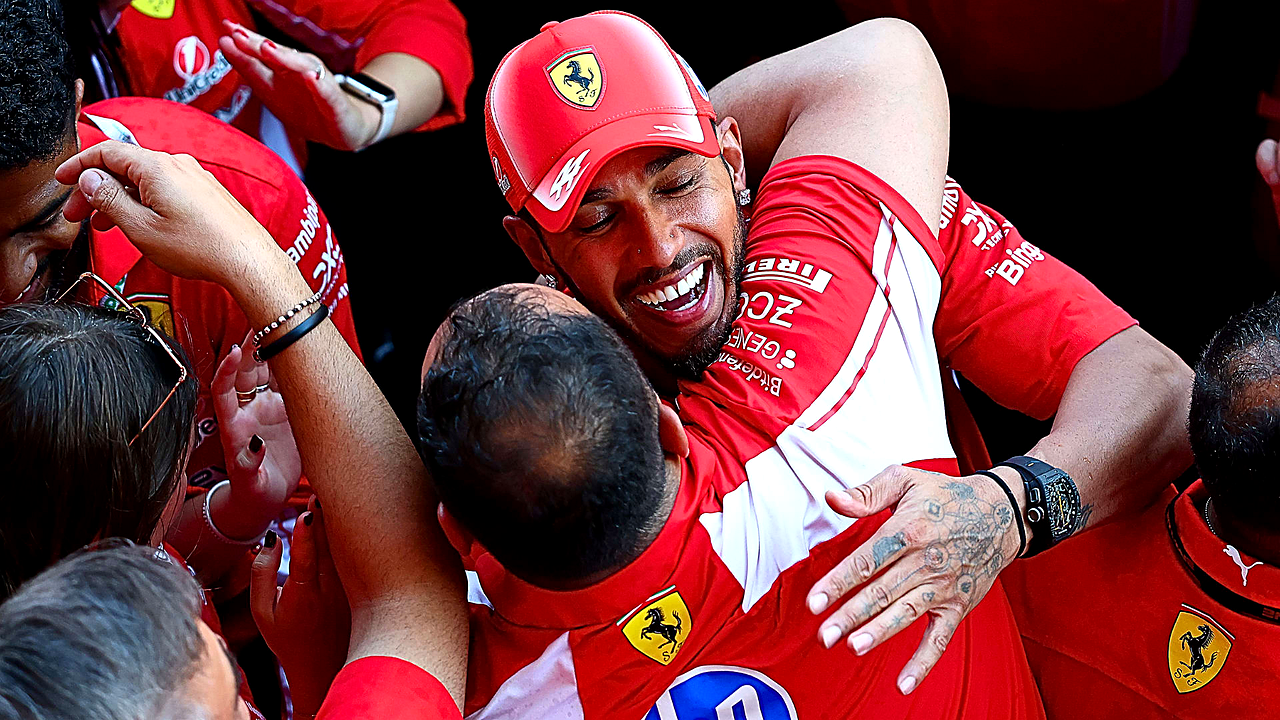
Ο Μαξ Φερστάπεν μπορεί να καλύψει κάποιες αδυναμίες, αλλά η Μπαρτσελόνα έδειξε τα όριά της στο να βασίζεται στη διόρθωση των οδηγών όταν οι αντίπαλοι φέρνουν ένα ισχυρότερο πακέτο συνολικά.
Βασικές λεπτομέρειες
| Περιοχή | Λεπτομέρεια |
|---|---|
| Σήμα ομάδας | Ο Μέκις χαρακτήρισε την Μπαρτσελόνα ως έλεγχο της πραγματικότητας |
| Ανταγωνιστικό ζήτημα | Η Ferrari, η McLaren και η Mercedes δημιούργησαν πίεση |
| Κύριος κίνδυνος | βιαστική ανάπτυξη χωρίς να απομονώνεται ο περιορισμός |
| Επόμενος έλεγχος | κατεύθυνση αναβάθμισης και μακροπρόθεσμη ανατροφοδότηση |
Πώς η λεπτομέρεια αλλάζει την επόμενη φάση
Ο έλεγχος της πραγματικότητας της Μπαρτσελόνα από την Red Bull πρέπει πλέον να γίνεται μέσω της εκτέλεσης και όχι μέσω της αξίας του τίτλου. Σήμα ομάδας: Ο Mekies αποκάλεσε τον έλεγχο της πραγματικότητας της Μπαρτσελόνα ως το πρώτο σταθερό σημείο, αλλά η πραγματική διαφορά προέρχεται από το πόσο γρήγορα οι εμπλεκόμενοι μετατρέπουν αυτό το σταθερό σημείο σε επαναλήψιμη συμπεριφορά.
Το δεύτερο επίπεδο είναι η προετοιμασία. Ανταγωνιστικό ζήτημα: Η πίεση που δημιούργησαν οι Ferrari, McLaren και Mercedes δεν είναι διακοσμητική λεπτομέρεια, επειδή καθορίζει αν η ίδια δύναμη μπορεί να επιβιώσει όταν ο αντίπαλος ή ο αντίπαλος αλλάξει τις συνθήκες.
Το τρίτο επίπεδο είναι η ταχύτητα αντίδρασης. Η φράση αυτή εμφανίζεται αμέσως αφότου η Ferrari μετέτρεψε την πίεση σε νίκη στον αγώνα, πράγμα που σημαίνει ότι η επόμενη αντίδραση θα κριθεί αμέσως, όχι εβδομάδες αργότερα, και αυτό καθιστά κάθε πρώιμο σημάδι πιο σημαντικό από το συνηθισμένο.
Η πρακτική συνέπεια είναι ότι η Red Bull πρέπει να προσδιορίσει την αδυναμία πριν προσθέσει εξαρτήματα. Εάν συμβεί αυτό, η ενημέρωση διατηρεί την αξία της ακόμη και αν το επόμενο αποτέλεσμα δεν είναι τέλειο.
Ο αντίθετος κίνδυνος είναι επίσης σαφής. Μια διάσπαρτη αντίδραση θα μπορούσε να κοστίσει περισσότερο χρόνο από ό,τι το αρχικό πρόβλημα, θα έκανε το ίδιο συμβάν να μοιάζει λιγότερο με πρόοδο και περισσότερο με μια σύντομη άνοδο που μπορούν να απορροφήσουν οι αντίπαλοι.
Η πιο ισχυρή ερμηνεία προέρχεται από τη λεπτομέρεια που ακολουθεί τον τίτλο. Κύριος κίνδυνος: η βιαστική ανάπτυξη χωρίς να απομονωθεί ο περιορισμός είναι το σημείο όπου η ιστορία αποκτά σημασία για την αξιολόγηση της μορφής, της προετοιμασίας και της λήψης αποφάσεων.
Το επόμενο ορατό σημείο ελέγχου είναι συγκεκριμένο: αν η επόμενη αναβάθμιση της Red Bull θα παράγει σταθερότητα μακροπρόθεσμα. Αυτό είναι το σημείο όπου τα λόγια μετατρέπονται σε στοιχεία και όπου η προηγούμενη απόδοση είτε ταξιδεύει είτε εξασθενεί.
Ο έλεγχος της πραγματικότητας της Red Bull για τη Βαρκελώνη αλλάζει επίσης τη σύγκριση με κοντινές ιστορίες, επειδή δίνει έναν ακόμη συγκεκριμένο δείκτη για να κρίνουμε ποιος βελτιώνεται, ποιος αντιδρά αργά και ποιος μεταφέρει μόνο την ορμή από ένα παλαιότερο αποτέλεσμα.
Οι λεπτομέρειες γύρω από τον έλεγχο της πραγματικότητας της Red Bull για τη Βαρκελώνη θα πρέπει να παρακολουθούνται με τη σειρά και όχι ως ξεχωριστά αποσπάσματα. Πρώτα έρχεται το επιβεβαιωμένο σημείο, έπειτα η άμεση τακτική απάντηση και στη συνέχεια το επόμενο δημόσιο σημείο ελέγχου όπου ο προηγούμενος ισχυρισμός είτε ισχύει είτε ακυρώνεται.
Αυτή η ακολουθία έχει σημασία επειδή ο επόμενος έλεγχος: η κατεύθυνση αναβάθμισης και η μακροπρόθεσμη ανατροφοδότηση δεν είναι μόνο μια ημερομηνία ή μια ετικέτα. Είναι η επόμενη στιγμή που η ίδια πίεση επιστρέφει με λιγότερες δικαιολογίες και καλύτερη πληροφόρηση για τους αντιπάλους.
Αν η αντίδραση είναι καθαρή, η αναμέτρηση της Red Bull με την Μπαρτσελόνα γίνεται σημείο αναφοράς για το επόμενο στάδιο της σεζόν. Αν η αντίδραση είναι μπερδεμένη, ο ίδιος τίτλος θα μείνει στη μνήμη ως προειδοποίηση ότι το πρώτο σημάδι δεν ήταν αρκετά ανθεκτικό.
Η τελική ανάγνωση είναι επομένως πρακτική: η Red Bull πρέπει να προσδιορίσει την αδυναμία πριν προσθέσει στοιχεία. Αυτό είναι το μέρος που οι ομάδες, οι οδηγοί ή οι παίκτες μπορούν πραγματικά να μεταφέρουν στην επόμενη συνεδρία, χάρτη ή αγώνα χωρίς να βασίζονται στο συναίσθημα.
Πώς θα το διαβάσουν οι αντίπαλοι
Οι αντίπαλοι θα εκλάβουν το σχόλιο ως επιβεβαίωση. Η γλώσσα της Red Bull λέει πλέον στα paddock ότι η ομάδα αισθάνεται την πίεση, όχι μόνο το χρονόμετρο.
Ο κίνδυνος είναι η επιτάχυνση της ανάπτυξης. Μια ομάδα υπό πίεση μπορεί να ακολουθήσει πάρα πολλές κατευθύνσεις ταυτόχρονα, αν δεν εντοπίσει με σαφήνεια τον κύριο περιορισμό.
Τι να προσέχεις
Δείτε την πρώτη απάντηση αναβάθμισης της Red Bull. Οι λεπτομέρειες του πακέτου θα δείξουν αν η ομάδα πιστεύει ότι το πρόβλημα είναι η αεροδυναμική απόδοση, η ισορροπία ή η συμπεριφορά των ελαστικών.
Παρακολουθήστε τα μακροπρόθεσμα σχόλια του Verstappen. Ο τόνος του συχνά αποκαλύπτει αν το αυτοκίνητο βελτιώνεται πριν το κάνουν τα φύλλα χρονομέτρησης.
Για περισσότερες πληροφορίες σχετικά με την ιστοσελίδα μας, αυτή η ενημέρωση συνδέεται με το άρθρο "Ο Sainz λέει ότι η Williams πρέπει να επιστρέψει στο σχεδιαστήριο μετά την έναρξη του Masterclass στη Βαρκελώνη και τη Χάμιλτον". Το Masterclass της Βαρκελώνης ανοίγει ένα ευρύτερο ερώτημα για την κούρσα του τίτλου.
Η Μπαρτσελόνα δεν ολοκλήρωσε τη σεζόν της Red Bull, αλλά τα λόγια του Μέκις καθιστούν το μήνυμα αδύνατο να αγνοηθεί. Η ομάδα έχει περάσει από την υπεράσπιση της κυριαρχίας στην απόδειξη της ανάκαμψης.


Χωρίς σχόλια