
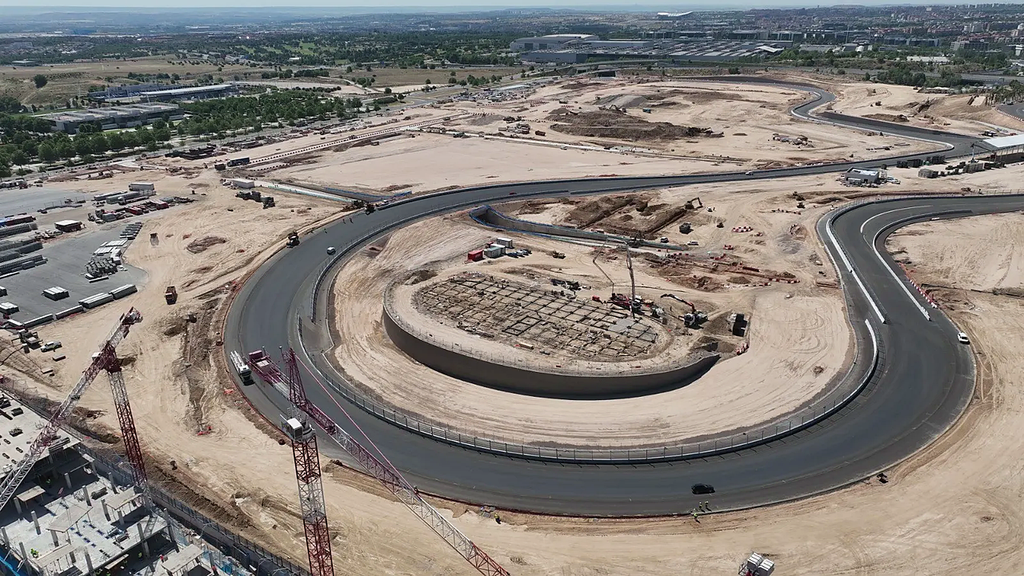
Η στροφή La Monumental της Μαδρίτης ήδη πλαισιώνεται ως ένα από τα χαρακτηριστικά γνωρίσματα του νέου ισπανικού χώρου της Formula 1.
Η στροφή έχει σημασία επειδή οι νέες πίστες κρίνονται γρήγορα: οι οδηγοί, οι μηχανικοί και οι οπαδοί θέλουν να μάθουν αν η διάταξη δημιουργεί πίεση και όχι μόνο σκηνικό.
Τι αλλάζει στην πραγματικότητα η ενημέρωση
Το αρχικό γεγονός είναι άμεσο: η Μονουμένταλ προωθείται ως καθοριστική στροφή για την ταυτότητα της Μαδρίτης στη F1. Δεν είναι ένα χαλαρό θέμα συζήτησης. Αυτό δίνει στη διάταξη ένα πρώιμο σημείο εστίασης πριν κάποιος τροχός γυρίσει με θυμό και αλλάζει τον τρόπο με τον οποίο θα κριθεί το επόμενο αποτέλεσμα.
Η ευρύτερη ερμηνεία αφορά την προσπάθεια της Μαδρίτης να δώσει στο νέο Grand Prix της μια στροφή που οι οπαδοί και οι μηχανικοί θα μπορούν να αναγνωρίσουν αμέσως. Οι νέες εγκαταστάσεις χρειάζονται ένα αναγνωρίσιμο τμήμα που οι οδηγοί θα σέβονται αμέσως. Αυτό θέτει την ενημέρωση σε μια ζωντανή ανταγωνιστική διαμάχη αντί να την αφήνει ως σημείωση στο βιβλίο ρεκόρ.
Πού εμφανίζεται η πίεση
Η αξία της στροφής θα εξαρτηθεί από την ταχύτητα προσέγγισης, την πρόσφυση στην έξοδο και το αν τα αυτοκίνητα μπορούν να ακολουθήσουν από κοντά. Η συνέπεια είναι πρακτική: αυτές οι λεπτομέρειες καθορίζουν αν θα γίνει μια ρύθμιση προσπέρασης ή απλώς μια λήψη με αποκορύφωμα. Η ομάδα, ο οδηγός ή ο αγώνας που εμπλέκεται πρέπει τώρα να αποδείξει ότι η ίδια λεπτομέρεια μπορεί να επιβιώσει ένα λιγότερο φιλικό Σαββατοκύριακο.
Μια ονομαστική στροφή αποκτά μεγαλύτερη σημασία όταν μια πίστα ακόμα χτίζει τη φήμη της. Εκεί είναι που η ταχύτητα εισόδου, η αυτοπεποίθηση στο φρενάρισμα, η πρόσφυση εξόδου και το αν τα αυτοκίνητα που ακολουθούν μπορούν να μείνουν αρκετά κοντά για να επιτεθούν, αποκτούν μεγαλύτερη σημασία από την ίδια την επικαιρότητα.
Η Μαδρίτη πρέπει να προσφέρει μια διαφορετική πρόκληση από τη Βαρκελώνη αντί να την αντικαταστήσει με έναν παρόμοιο ρυθμό. Αυτή η σύγκριση θα ακολουθήσει τον αγώνα της Μαδρίτης από την πρώτη περίοδο δοκιμών. Το χρήσιμο ερώτημα δεν είναι αν η ενημέρωση ακούγεται εντυπωσιακή, αλλά αν δίνει στην επόμενη περίοδο ή αν ταιριάζει με ένα πιο καθαρό σχήμα.
Βασικές λεπτομέρειες
| Περιοχή | Λεπτομέρεια |
|---|---|
| Χώρος δεξίωσης | Η νέα πίστα της Φόρμουλα 1 στη Μαδρίτη |
| Σημείο υπογραφής | Η Μνημειακή Γωνιά |
| Τεχνική ερώτηση | παρακολούθηση, πέδηση και πρόσφυση εξόδου |
| Πρώτη ετυμηγορία | σχόλια για την έναρξη των δοκιμαστικών οδηγών |
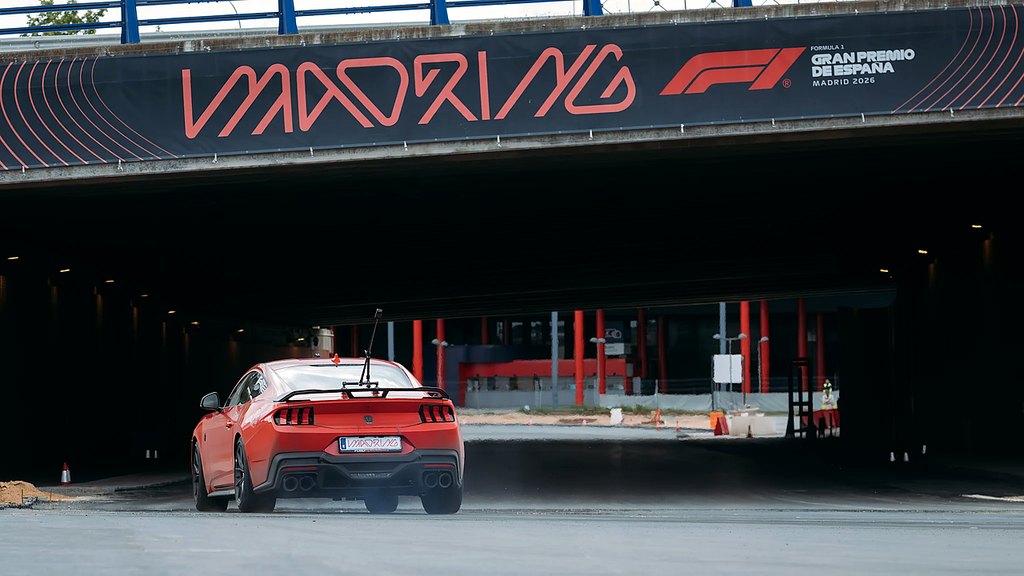
Γιατί η λεπτομέρεια έχει σημασία πέρα από τον τίτλο
Το πρώτο Σαββατοκύριακο του αγώνα θα κρίνει αν το La Monumental είναι τεχνικό, θεατρικό ή και τα δύο. Η απάντηση θα διαμορφώσει το πόσο γρήγορα ο χώρος θα αποκτήσει αξιοπιστία. Αυτή η λεπτομέρεια είναι η γέφυρα μεταξύ αυτού που έχει ήδη συμβεί και αυτού που θα μετρήσουν στη συνέχεια τα paddock ή η βάση των οπαδών.
Οι ομάδες θα μελετήσουν τη σταθερότητα φρεναρίσματος και τη θερμοκρασία των ελαστικών σε όλη την ενότητα πριν από την πρώτη κατατακτήρια. Οι προσομοιώσεις θα έχουν σημασία, αλλά οι πρώτοι γύροι των οδηγών θα έχουν μεγαλύτερη σημασία. Ένα μεμονωμένο γεγονός μπορεί να ξεκινήσει τη συζήτηση, αλλά η επαναληψιμότητα αποφασίζει αν η ιστορία θα γίνει μέρος της κατεύθυνσης της σεζόν.
Μια δυνατή στροφή μπορεί να διαμορφώσει ολόκληρη την ταυτότητα μετάδοσης ενός νέου Γκραν Πρι. Γι' αυτό το όνομα ασκεί ήδη πίεση. Εξηγεί επίσης γιατί το επόμενο σημείο ελέγχου δεν μπορεί να αντιμετωπίζεται ως ρουτίνα.
Οι καλύτερες νέες στροφές της F1 δεν χρειάζονται χρόνια για να εξηγηθούν. Δίνουν στους οδηγούς μια αναφορά στο φρενάρισμα, ένα σημείο κινδύνου και έναν λόγο να συζητήσουν αμέσως την επιλογή γραμμής.
Η La Monumental καλείται να το κάνει αυτό για τη Μαδρίτη. Πρέπει να κάνει την πίστα να μοιάζει με ένα μέρος με τη δική της αγωνιστική γλώσσα, όχι απλώς μια ακόμη προσθήκη στο ημερολόγιο.
Το μηχανολογικό ερώτημα είναι αν η στροφή βοηθάει την επόμενη ευθεία ή τιμωρεί τα αυτοκίνητα που ακολουθούν πολύ κοντά. Αν ο βρώμικος αέρας κάνει την προσέγγιση παθητική, το δράμα θα ξεθωριάσει γρήγορα.
Αν η στροφή ανταμείψει την καθυστερημένη δέσμευση χωρίς να καταστρέψει τα ελαστικά, μπορεί να γίνει το τμήμα που θα καθορίσει τα κενά στις κατατακτήριες και τις επιθέσεις στον αγώνα.
Αυτή είναι η ισορροπία που χρειάζεται η Μαδρίτη. Ένα νέο Γκραν Πρι μπορεί να αντέξει την κριτική για την εφοδιαστική ή την έλλειψη εξοικείωσης, εάν το αγωνιστικό προϊόν δώσει στις ομάδες κάτι πραγματικό να λύσουν.
Το La Monumental, λοιπόν, καταφθάνει με μια απλή δουλειά: να κάνει το πρώτο Σαββατοκύριακο της Μαδρίτης να μοιάζει ιδιαίτερο.
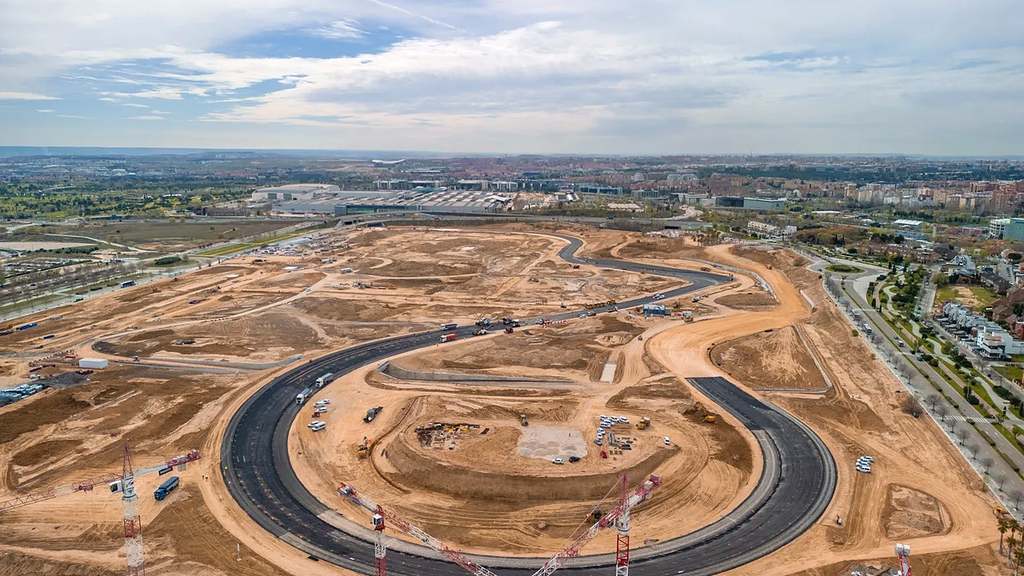
Το La Monumental θα κριθεί τόσο από την προσέγγιση όσο και από την ίδια τη στροφή. Οι οδηγοί χρειάζονται αρκετή απόσταση φρεναρίσματος για να βγουν από το ρεύμα υποπίεσης, αρκετό πλάτος πίστας για να κρατήσουν μια εναλλακτική γραμμή και μια έξοδο που δεν τιμωρεί το επιτιθέμενο αυτοκίνητο πριν από την επόμενη ζώνη επιτάχυνσης. Εάν μια γραμμή παραμείνει συντριπτικά πιο γρήγορη, η στροφή μπορεί να φαίνεται δραματική χωρίς να δημιουργήσει παρατεταμένους αγώνες παράλληλων δοκιμών. Οι πρώτες προσομοιώσεις δοκιμών και τα πλάνα από τον αγώνα υποστήριξης θα πρέπει να αποκαλύψουν γρήγορα αυτή την ισορροπία.
Το επόμενο αποδεικτικό στοιχείο
Το πιο καθαρό πράγμα που πρέπει να παρακολουθήσετε είναι οι πρώτες δοκιμές στην πίστα La Monumental, επειδή τα σχόλια των οδηγών θα διαμορφώσουν γρήγορα τη φήμη της πίστας. Αν αυτό το σημείο ισχύει, η ενημέρωση γίνεται απόδειξη. Αν ξεθωριάσει, η ιστορία θα μείνει στη μνήμη σας ως μια σύντομη έκρηξη ορμής.
Για τους αναγνώστες, το χρήσιμο πλαίσιο είναι απλό: κρατήστε το αποτέλεσμα που έχετε ορίσει και, στη συνέχεια, ακολουθήστε την επόμενη τεχνική ή ανταγωνιστική αντίδραση. Εκεί βρίσκεται η πραγματική αξία των ειδήσεων.
Το La Monumental έχει ήδη το όνομα. Το πρώτο Σαββατοκύριακο αγώνων στη Μαδρίτη θα κρίνει αν θα έχει και αγωνιστική ουσία.
Η επόμενη χρήσιμη μέτρηση είναι η ταχύτητα εισόδου, η αυτοπεποίθηση στο φρενάρισμα, η πρόσφυση εξόδου και το κατά πόσον τα αυτοκίνητα που ακολουθούν μπορούν να παραμείνουν αρκετά κοντά για να επιτεθούν. Αυτή η περιοχή θα καθορίσει εάν η επικεφαλίδα μετατραπεί σε μοτίβο, επειδή κάθε επόμενη κούρσα δίνει στις ομάδες και τους αντιπάλους περισσότερα στοιχεία για να δοκιμάσουν.
Αυτό που κάνει την ενημέρωση άξια παρακολούθησης είναι το κενό μεταξύ του δημόσιου τίτλου και της λειτουργικής λεπτομέρειας πίσω από αυτόν. Ο τίτλος κατονομάζει τη στιγμή. Η λειτουργική λεπτομέρεια αποφασίζει εάν η στιγμή έχει ανταγωνιστική ζωή.
Ένα άλλο μέρος της ιστορίας αφορά την ταχύτητα εισόδου, την αυτοπεποίθηση στο φρενάρισμα, την πρόσφυση εξόδου και το κατά πόσον τα αυτοκίνητα που ακολουθούν μπορούν να μείνουν αρκετά κοντά για να επιτεθούν. Αν αυτό το στοιχείο βελτιωθεί, τα ίδια νέα αρχίζουν να μοιάζουν με την αρχή μιας τάσης και όχι με μια μόνο δυνατή μέρα.
Η σεζόν δεν θα θυμάται μόνο την ανακοίνωση. Θα θυμάται αν οι εμπλεκόμενοι μπορούν να επαναλάβουν το ίδιο πρότυπο όταν η πίστα, ο αντίπαλος ή η μορφή γίνουν λιγότερο άνετα.
Η πίεση είναι επίσης ψυχολογική. Μόλις ένα αποτέλεσμα ή μια αλλαγή κανόνα λάβει τόση προσοχή.
Το επόμενο λάθος κρίνεται πιο γρήγορα.
Η επόμενη καθαρή απάντηση έχει μεγαλύτερη αξία.
Γι' αυτό το λόγο, η συνέχεια θα πρέπει να ερμηνεύεται πλήρως. Ένα καθαρό επόμενο βήμα θα έδινε στην αρχική ιστορία ισχυρότερες ρίζες, ενώ ένα ακατάστατο θα την έκανε να φαίνεται προσωρινή.
Υπάρχει επίσης ένα στρατηγικό επίπεδο που συνδέεται με την ταχύτητα εισόδου, την αυτοπεποίθηση στο φρενάρισμα, την πρόσφυση εξόδου και το κατά πόσον τα αυτοκίνητα που ακολουθούν μπορούν να παραμείνουν αρκετά κοντά για να επιτεθούν. Οι ομάδες μπορούν να συζητήσουν μια ιστορία μόνο για ένα ορισμένο χρονικό διάστημα πριν ο χρόνος, η προετοιμασία και η λήψη αποφάσεων αποκαλύψουν το πραγματικό επίπεδο.
Για τους θαυμαστές, ο καλύτερος τρόπος να κατανοήσουν την κατάσταση είναι να αγνοήσουν τον θόρυβο για μία συνεδρία και να παρακολουθήσουν τις μετρήσιμες λεπτομέρειες. Αυτές οι λεπτομέρειες συνήθως εξηγούν εάν η αντίδραση είναι δικαιολογημένη.
Η χρήσιμη σύγκριση δεν γίνεται με τον πιο ηχηρό τίτλο της ίδιας εβδομάδας. Είναι με την επόμενη στιγμή όπου η ίδια αδυναμία ή δύναμη εμφανίζεται υπό πίεση.
Αν η επόμενη απάντηση είναι ακριβής, η ιστορία αποκτά βάθος. Αν είναι χαλαρή, η τρέχουσα ενημέρωση θα παραμείνει ενδιαφέρουσα αλλά όχι καθοριστική.
Ένας άλλος λόγος για να παραμείνει η ιστορία ανοιχτή είναι η προσπάθεια της Μαδρίτης να δώσει στο νέο της Γκραν Πρι μια στροφή που οι οπαδοί και οι μηχανικοί θα μπορούν να εντοπίσουν αμέσως. Αυτό το πλαίσιο δίνει στην επόμενη αγωνιστική απόφαση ένα πιο έντονο πλεονέκτημα από ό,τι μπορεί να δείξει ο τίτλος από μόνος του.
Η πιο δυνατή συνέχεια θα ήταν ένα Σαββατοκύριακο ή μια σειρά όπου το ίδιο θέμα εμφανίζεται ξανά χωρίς να χρειάζεται εξήγηση. Αυτού του είδους η επανάληψη είναι που μετατρέπει τις ειδήσεις σε μορφή.
Υπάρχει ακόμα περιθώριο για να αλλάξει η εικόνα. Ένα καθαρό αποτέλεσμα μπορεί να είναι πειστικό, αλλά το επόμενο λάθος, καθυστέρηση ή στρατηγική απόφαση θα δείξει πόσο διαρκής είναι η αλλαγή.
Αυτό καθιστά σημαντική τη βραχυπρόθεσμη αντίδραση. Μια ομάδα που κατανοεί τη λεπτομέρεια θα την προστατεύσει νωρίς. Μια ομάδα που την αντιμετωπίζει ως φόντο πιθανότατα θα δώσει στους αντιπάλους της μια ευκαιρία.
Το πλαίσιο εργασίας αλλάζει επίσης τον τρόπο με τον οποίο οι υποστηρικτές ερμηνεύουν την ιστορία. Δεν αναζητούν μόνο ένα όνομα ή ένα στατιστικό στοιχείο, αλλά θέλουν και αποδείξεις ότι το επόμενο βήμα έχει προετοιμαστεί σωστά.



Χωρίς σχόλια