
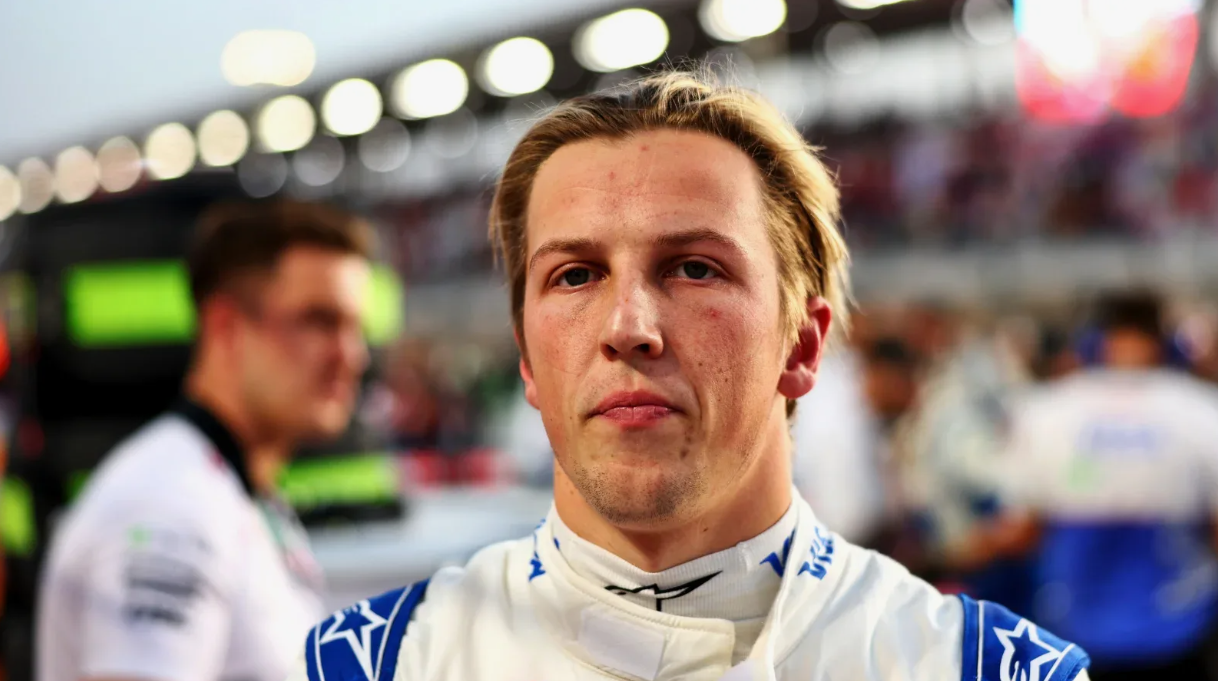
Ο Liam Lawson παραδέχτηκε ότι παρόλο που οι πρόσφατες επιδόσεις του στην βαθμολόγηση ήταν ενθαρρυντικές, υπάρχει ακόμη σημαντική δουλειά που πρέπει να γίνει πριν αυτός και η ομάδα του μπορέσουν να ανταγωνιστούν με συνέπεια στην πρώτη γραμμή της μάχης στο μεσαίο τμήμα. Σύμφωνα με τον Νεοζηλανδό, η βελτίωση του ρυθμού αγώνα έχει γίνει ο πρωταρχικός στόχος μετά από μια σειρά θετικών Σαββατοκύριακων.
Ο Lawson πιστεύει ότι οι εκλάμψεις ταχύτητας και οι ισχυρότερες επιδόσεις στις κατατακτήριες έχουν αναδείξει τις δυνατότητες του πακέτου. Ωστόσο, η μετατροπή αυτών των στιγμών σε διαρκή ανταγωνιστικότητα την ημέρα του αγώνα παραμένει η μεγαλύτερη πρόκληση.
Τα ενθαρρυντικά αποτελέσματα φέρνουν αισιοδοξία
Οι πρόσφατοι τερματισμοί με βαθμούς έχουν δώσει στον Lawson λόγους να είναι αισιόδοξος για την κατεύθυνση της ομάδας.
Η κατάκτηση βαθμών στη Formula 1 δεν είναι ποτέ εύκολη, ειδικά για έναν νεαρό οδηγό που ακόμη εδραιώνεται στο υψηλότερο επίπεδο του μηχανοκίνητου αθλητισμού.
«Πρέπει να βελτιώσουμε τον ρυθμό μας στον αγώνα. Οι πρόσφατοι τερματισμοί με βαθμούς είναι θετικοί, αλλά υπάρχουν ακόμα πολλά να δουλέψουμε.»
Τα σχόλιά του αντικατοπτρίζουν μια ισορροπημένη και ώριμη προσέγγιση της κατάστασης.
Αντί να ικανοποιηθεί με τη βραχυπρόθεσμη επιτυχία, ο Lawson παραμένει επικεντρωμένος στον εντοπισμό των αδυναμιών που θα μπορούσαν να εμποδίσουν την περαιτέρω πρόοδο.
Γιατί ο ρυθμός του αγώνα είναι τόσο σημαντικός
Οι δυνατές επιδόσεις στις κατατακτήριες δοκιμές συχνά προσελκύουν την περισσότερη προσοχή κατά τη διάρκεια ενός Σαββατοκύριακου της Formula 1.
Ένας γρήγορος γύρος το Σάββατο μπορεί να μεταμορφώσει τις προσδοκίες.
Ωστόσο, ο αγώνας της Κυριακής τελικά θα καθορίσει εάν θα εξασφαλιστούν πολύτιμοι βαθμοί πρωταθλήματος.
Ο Λόσον κατανοεί ότι η διατήρηση της ανταγωνιστικότητας σε ολόκληρη την απόσταση ενός Grand Prix διαχωρίζει τους σταθερούς διεκδικητές από τις περιστασιακές εκπλήξεις.
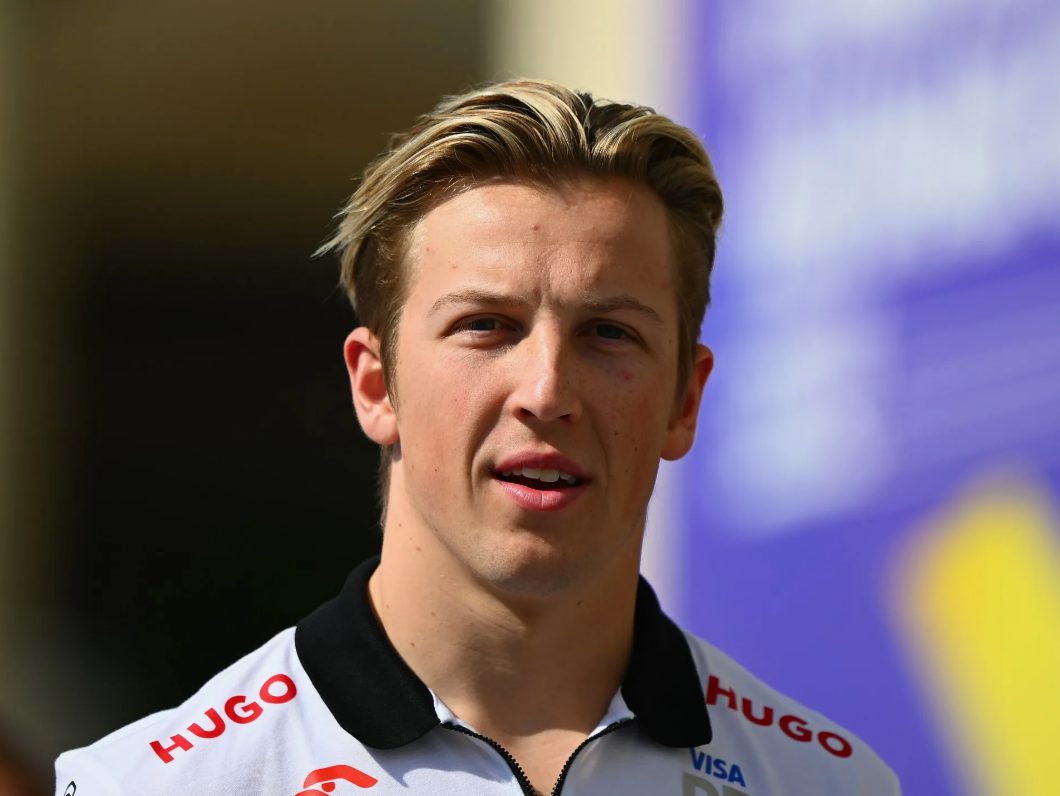
Βασικά συστατικά για ισχυρό ρυθμό αγώνα
- Αποτελεσματική διαχείριση ελαστικών.
- Σταθεροί χρόνοι γύρου.
- Σταθερή ισορροπία αυτοκινήτου.
- Στρατηγική ευελιξία;
- Ισχυρή ικανότητα προσπέρασης.
- Προσαρμογή στις μεταβαλλόμενες συνθήκες.
Χωρίς αυτές τις ιδιότητες, ακόμη και οι εξαιρετικές θέσεις εκκίνησης μπορούν γρήγορα να χαθούν κατά τη διάρκεια ενός αγώνα.
Σημάδια Προόδου σε Πρόσφατα Γεγονότα
Οι πρόσφατες εμφανίσεις του Λόσον υποδηλώνουν ότι σημειώνεται ουσιαστική πρόοδος.
Οι τακτικές εμφανίσεις εντός των σημείων καταδεικνύουν βελτιώσεις τόσο στην εκτέλεση των οδηγών όσο και στην απόδοση της ομάδας.
Θετικές Εξελίξεις
- Καλύτερη εκτέλεση υπό πίεση.
- Πιο ανταγωνιστικές προκριματικές συνεδρίες.
- Αυξανόμενη αυτοπεποίθηση πίσω από το τιμόνι.
- Ισχυρότερη επικοινωνία με τους μηχανικούς.
- Βελτιωμένη κατανόηση του αυτοκινήτου.
- Αποτελεσματικότερη λήψη αποφάσεων.
Αυτά τα ενθαρρυντικά σημάδια δίνουν αισιοδοξία για το υπόλοιπο της σεζόν.
Η Πρόκληση της Διατήρησης της Απόδοσης
Μία από τις μεγαλύτερες προκλήσεις που αντιμετωπίζουν οι ομάδες της Formula 1 είναι η διατήρηση του ρυθμού τους σε όλη την απόσταση του αγώνα.
Παράγοντες όπως η φθορά των ελαστικών, τα φορτία καυσίμου, η κυκλοφορία και οι μεταβαλλόμενες συνθήκες της πίστας μπορούν να επηρεάσουν δραματικά την ανταγωνιστικότητα.
Παράγοντες που επηρεάζουν τον ρυθμό του αγώνα
- Φθορά ελαστικών κατά τη διάρκεια μεγάλων διαδρομών.
- Διαχείριση θερμοκρασιών λειτουργίας;
- Περιορισμένες ευκαιρίες προσπέρασης.
- Στρατηγικοί συμβιβασμοί;
- Παρακολουθήστε την εξέλιξη καθ' όλη τη διάρκεια του Σαββατοκύριακου.
- Μικρές ατέλειες εγκατάστασης.
Η επιτυχής διαχείριση αυτών των μεταβλητών συχνά καθορίζει εάν μια ομάδα τερματίσει εντός ή εκτός των βαθμών.
Μάθηση μέσα από την εμπειρία
Ο Liam Lawson συνεχίζει να αποκτά πολύτιμη εμπειρία με κάθε Σαββατοκύριακο της Formula 1. Οι νέοι οδηγοί συχνά ανακαλύπτουν ότι η ακατέργαστη ταχύτητα αντιπροσωπεύει μόνο ένα μέρος της επιτυχίας σε αυτό το επίπεδο. Η διαχείριση των ελαστικών, η κατανόηση της στρατηγικής, η διατήρηση της συγκέντρωσης και η αποτελεσματική αντίδραση σε απρόβλεπτες καταστάσεις είναι εξίσου σημαντικά. Ο Lawson φαίνεται να έχει ολοένα και μεγαλύτερη επίγνωση αυτών των πραγματικοτήτων. Αντί να βλέπει τους πρόσφατους τερματισμούς με βαθμούς ως απόδειξη ότι κάθε πρόβλημα έχει λυθεί, τους βλέπει ως απόδειξη ότι μπορεί να επιτευχθεί ουσιαστική πρόοδος μέσω σκληρής δουλειάς και συνεχούς ανάπτυξης. Αυτή η προοπτική αντανακλά μια ωριμότητα πέρα από την ηλικία του. Η Formula 1 ανταμείβει τους οδηγούς που είναι ικανοί για ειλικρινή αυτοαξιολόγηση και την προθυμία για βελτίωση. Ο εντοπισμός αδυναμιών χωρίς να τους επιτρέπει να βλάπτουν την αυτοπεποίθηση γίνεται συχνά ένα από τα καθοριστικά χαρακτηριστικά των επιτυχημένων ανταγωνιστών. Η αποφασιστικότητα του Lawson να βελτιώσει τον ρυθμό του αγώνα υπογραμμίζει την κατανόησή του ότι η φήμη χτίζεται σε πλήρεις αποστάσεις Grand Prix και όχι σε μεμονωμένες στιγμές λαμπρότητας. Αναγνωρίζοντας τις υπάρχουσες αδυναμίες, παραμένοντας αισιόδοξος για το μέλλον, ενισχύει τη συνεργατική νοοτροπία που απαιτείται για να ευδοκιμήσει κανείς σε ένα από τα πιο απαιτητικά αθλητικά περιβάλλοντα στον κόσμο.
Περιοχές που θέλει να βελτιώσει ο Lawson
Αν και η πορεία της ομάδας φαίνεται θετική, ο Lawson παραμένει επικεντρωμένος σε αρκετούς συγκεκριμένους τομείς ανάπτυξης.
Βασικές Προτεραιότητες
- Καλύτερη μακροπρόθεσμη συνέπεια.
- Βελτιωμένη συντήρηση των ελαστικών.
- Βελτιωμένη εκτέλεση αγώνα;
- Δυναότεροι πρώτοι γύροι.
- Προσαρμοστικότητα σε στρατηγικές αλλαγές·
- Μεγιστοποίηση κάθε ευκαιρίας για σκοράρισμα.
Ακόμα και μικρά κέρδη σε αυτές τις κατηγορίες θα μπορούσαν να επιφέρουν σημαντικές βελτιώσεις κατά τη διάρκεια μιας σεζόν.
Μέτρηση της Προόδου
| Περιοχή Επιδόσεων | Προηγούμενη Κατάσταση | Τρέχουσα Κατάσταση |
|---|---|---|
| Ρυθμός Προκριματικών | Ασυνεπής | Πιο ανταγωνιστικό |
| ρυθμός αγώνα | Πρωταρχική αδυναμία | Σταδιακή βελτίωση |
| Διαχείριση Ελαστικών | Περιορισμένη συνέπεια | Καλύτερη κατανόηση |
| Ομαδική επικοινωνία | Ανάπτυξη διαδικασιών | Ισχυρότερη συνεργασία |
| Τερματισμοί σε Πόντους | Δύσκολο να επιτευχθεί | Πιο συχνά |
| Αυτοπεποίθηση του οδηγού | Σταθερή οικοδόμηση | Σημαντικά βελτιωμένο |

Αυξανόμενη Αυτοπεποίθηση Μέσα στην Ομάδα
Η ορμή παίζει συχνά κρίσιμο ρόλο στη Φόρμουλα 1.
Τα θετικά Σαββατοκύριακα ενισχύουν το ηθικό, ενισχύουν την εμπιστοσύνη και επικυρώνουν τις προσπάθειες ανάπτυξης.
Ο Λόσον πιστεύει ότι οι πρόσφατες επιδόσεις έχουν αυξήσει την αυτοπεποίθηση σε ολόκληρο τον οργανισμό.
Οφέλη από τα θετικά αποτελέσματα
- Μεγαλύτερη πίστη μέσα στην ομάδα.
- Υψηλότερη αυτοπεποίθηση του οδηγού.
- Βελτιωμένη συνεργασία;
- Επικύρωση επιλογών ανάπτυξης·
- Αυξημένο κίνητρο.
- Ενισχυμένη επιχειρησιακή πειθαρχία.
Αυτά τα άυλα οφέλη μπορούν να γίνουν πολύτιμα περιουσιακά στοιχεία κατά τη διάρκεια μιας μακράς περιόδου.
Η συνέπεια είναι ο τελικός στόχος
Η διαφορά μεταξύ του να σκοράρεις πόντους περιστασιακά και του να γίνεις τακτικός διεκδικητής συχνά καταλήγει στη συνέπεια.
Οι επιτυχημένες ομάδες της Formula 1 σπάνια βασίζονται μόνο σε δραματικές ανακαλύψεις.
Αντίθετα, βελτιώνουν την απόδοση μέσω σταδιακών κερδών σε κάθε τομέα λειτουργίας.
Ο Λόσον φαίνεται απόλυτα αφοσιωμένος στην υιοθέτηση αυτής της φιλοσοφίας.
Κοιτάζοντας μπροστά
Το υπόλοιπο της σεζόν παρουσιάζει τόσο ευκαιρίες όσο και προκλήσεις.
Ο ανταγωνισμός σε όλη τη μεσαία γραμμή παραμένει εξαιρετικά σκληρός, αφήνοντας ελάχιστα περιθώρια για λάθη.
Ο Λόσον κατανοεί ότι η διατήρηση της πρόσφατης δυναμικής θα απαιτήσει συνεχή αφοσίωση και πειθαρχία.
Στόχοι για τους επερχόμενους αγώνες
- Συνεχίστε να βελτιώνετε τον ρυθμό του αγώνα.
- Εξάγετε τη μέγιστη δυνατή απόδοση.
- Αποφύγετε τα περιττά λάθη.
- Προσαρμοστείτε γρήγορα σε διαφορετικά κυκλώματα.
- Εκμεταλλευτείτε τις ευκαιρίες για σκοράρισμα.
- Υποστήριξη της συνεχιζόμενης ανάπτυξης αυτοκινήτων.
Συμπέρασμα
Η αξιολόγηση του Liam Lawson για τις πρόσφατες επιδόσεις του στη Formula 1 αποκαλύπτει έναν οδηγό αποφασισμένο να συνεχίσει να βελτιώνεται παρά τα ενθαρρυντικά αποτελέσματα.
Οι πρόσφατοι τερματισμοί σε βαθμούς έχουν αναδείξει τις δυνατότητες τόσο του οδηγού όσο και της ομάδας, αλλά ο Lawson πιστεύει ότι η διαρκής πρόοδος θα έρθει μόνο μέσω ισχυρότερου ρυθμού αγώνα και μεγαλύτερης συνέπειας σε όλες τις αποστάσεις του Grand Prix.
Η προθυμία του να αναγνωρίζει τις υπάρχουσες αδυναμίες, ενώ παράλληλα γιορτάζει τα σταδιακά επιτεύγματα, αντικατοπτρίζει τη νοοτροπία που απαιτείται για να πετύχει κανείς στο υψηλότερο επίπεδο του μηχανοκίνητου αθλητισμού. Για τον Lawson, η κατάκτηση βαθμών δεν είναι ο τελικός προορισμός - είναι απλώς ένα ακόμη βήμα για να γίνει ένας ολοκληρωμένος οδηγός της Formula 1.


Χωρίς σχόλια