
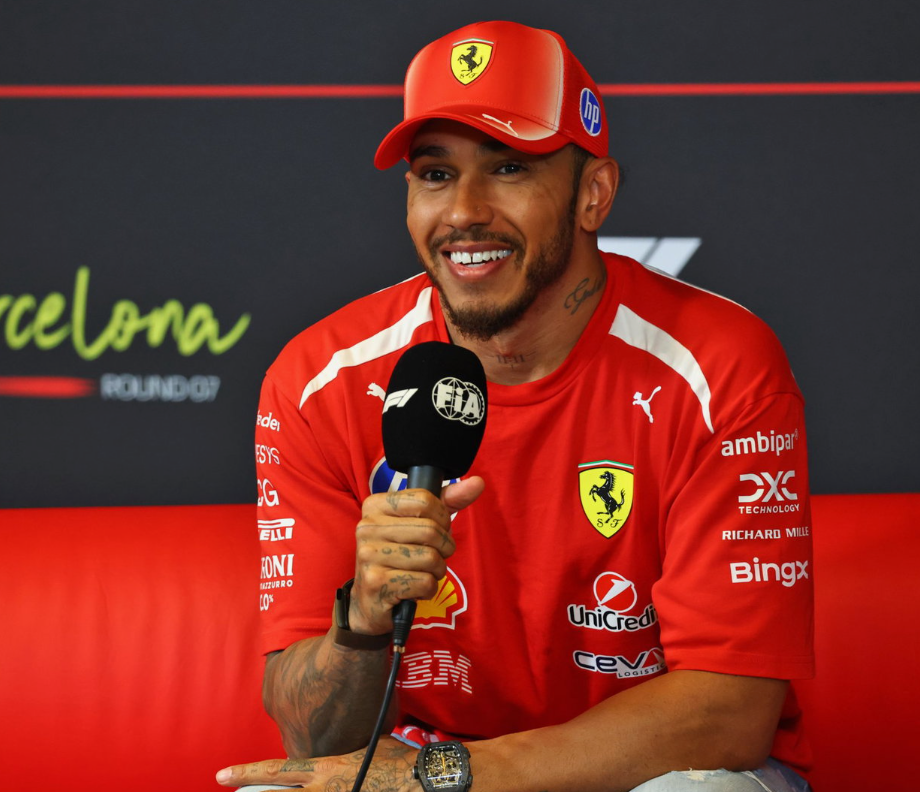
Ένα φρέσκο ξεκίνημα στο παρασκήνιο
Στη σύγχρονη Formula 1, η σχέση μεταξύ οδηγού και μηχανικού αγώνα είναι ένα από τα πιο κρίσιμα στοιχεία σε ολόκληρη τη δομή της ομάδας. Κάθε χρόνος γύρου, αλλαγή ρυθμίσεων και στρατηγική απόφαση είναι αποτέλεσμα της συνεχούς επικοινωνίας μεταξύ του πιλοτηρίου και του τοίχου των pit. Ο Hamilton εξήγησε ότι ο νέος μηχανικός του έχει εισαγάγει ένα πιο αποτελεσματικό και συνεργατικό στυλ εργασίας, βελτιώνοντας τόσο τη σαφήνεια όσο και την αυτοπεποίθηση καθ' όλη τη διάρκεια των αγώνων.- Σαφέστερη επικοινωνία κατά τη διάρκεια των συνεδριών.
- Καλύτερη ερμηνεία των σχολίων του οδηγού.
- Ταχύτερη αντίδραση στις συνθήκες της πίστας.
- Βελτιωμένη δομή προετοιμασίας για το Σαββατοκύριακο.
- Μεγαλύτερη εμπιστοσύνη στις στρατηγικές αποφάσεις.
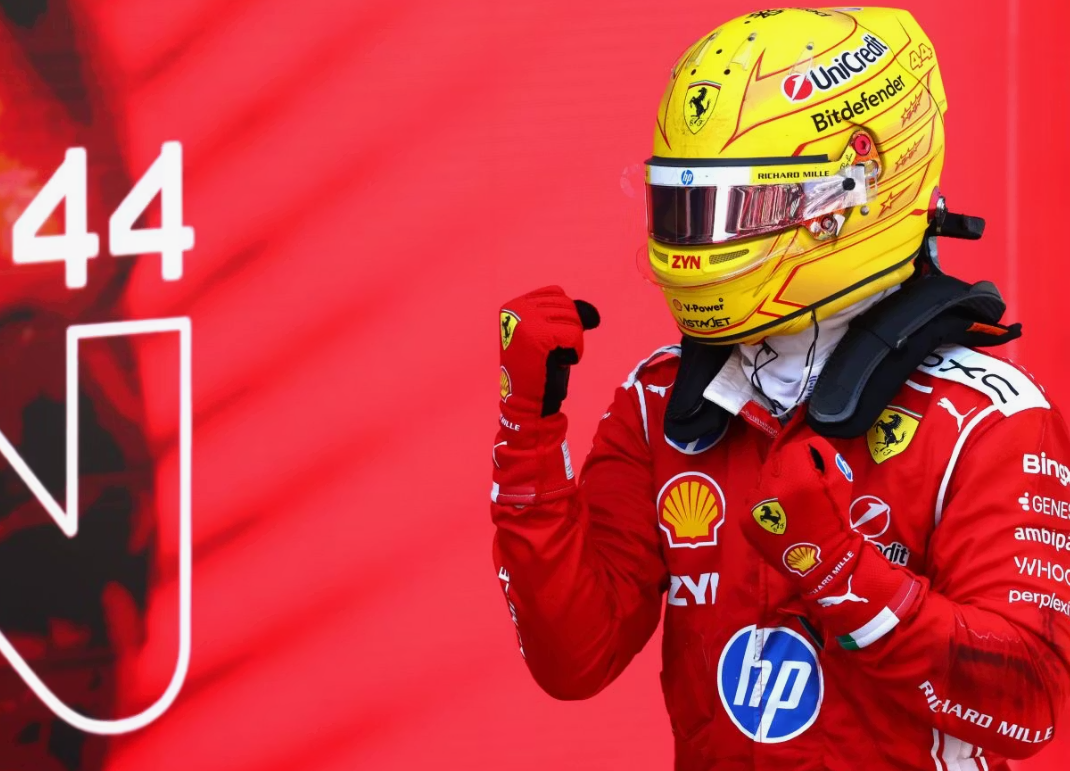
Γιατί η σχέση οδηγού-μηχανικού έχει σημασία
Ένας οδηγός της Formula 1 δεν λειτουργεί ποτέ μόνος του. Πίσω από κάθε γύρο υπάρχει μια συνεχής ανταλλαγή πληροφοριών μεταξύ του οδηγού και της ομάδας μηχανικών.- Ανάλυση δεδομένων τηλεμετρίας.
- Συνιστώνται αλλαγές στις ρυθμίσεις.
- Διαχείριση στρατηγικών ελαστικών.
- Παρακολούθηση της απόδοσης των ανταγωνιστών.
- Καθοδήγηση αποφάσεων εκτέλεσης αγώνα.
Το ανανεωμένο κίνητρο του Χάμιλτον
Καθ' όλη τη διάρκεια της καριέρας του, ο Χάμιλτον έχει συχνά μιλήσει για τις συναισθηματικές απαιτήσεις της Φόρμουλα 1. Ακόμα και για έναν πολλαπλό παγκόσμιο πρωταθλητή, η διατήρηση του κινήτρου στο υψηλότερο επίπεδο δεν είναι πάντα εύκολη. Αποκάλυψε ότι η νέα του συνεργασία με τους μηχανικούς τον έχει βοηθήσει να αποκαταστήσει πολλά βασικά στοιχεία της αγωνιστικής του νοοτροπίας.- Μεγαλύτερη απόλαυση κατά τη διάρκεια των αγωνιστικών Σαββατοκύριακων.
- Αυξημένη εμπιστοσύνη στην κατεύθυνση ρύθμισης του αυτοκινήτου.
- Βελτιωμένη πνευματική διαύγεια υπό πίεση.
- Μεγαλύτερη εμπιστοσύνη στις αποφάσεις της ομάδας.
- Ανανεωμένος ενθουσιασμός για τον ανταγωνισμό.
Σύγκριση Σχέσεων Οδηγού vs Μηχανικού
| Άποψη | Προηγούμενη προσέγγιση | Τρέχουσα Μηχανική Σχέση |
|---|---|---|
| Στυλ Επικοινωνίας | Πιο δομημένο και επίσημο | Πιο συνεργατικό και ρευστό |
| Χειρισμός ανατροφοδότησης | Υψηλή εστίαση στα δεδομένα | Ισορροπημένο με την είσοδο του οδηγού |
| Προσέγγιση Σαββατοκύριακου Αγώνων | Αντιδραστικές προσαρμογές | Προληπτικός σχεδιασμός |
| Comfort οδηγού | Περιστασιακά ασυνεπές | Πιο σταθερός και σίγουρος |
| Συναισθηματικός αντίκτυπος | Υπό πίεση | Κίνητρο |
Η Ψυχολογική Πλευρά της Φόρμουλα 1
Αν και η Φόρμουλα 1 συχνά θεωρείται ως ένα τεχνικό άθλημα, η ψυχολογία παίζει σημαντικό ρόλο στην απόδοση. Οι οδηγοί λειτουργούν υπό ακραία πίεση και η ψυχική τους κατάσταση μπορεί να επηρεάσει άμεσα τους χρόνους γύρου.- Εμπιστοσύνη στη ρύθμιση του αυτοκινήτου.
- Εμπιστοσύνη στη στρατηγική του αγώνα.
- Σαφήνεια επικοινωνίας.
- Ικανότητα διαχείρισης πίεσης.
- Γρήγορη προσαρμογή στις μεταβαλλόμενες συνθήκες.
Πώς οι αλλαγές στη μηχανική επηρεάζουν την απόδοση
Ακόμα και μικρές εσωτερικές αλλαγές σε μια ομάδα της Formula 1 μπορούν να έχουν σημαντική επίδραση στα αποτελέσματα. Μια ισχυρή σχέση οδηγού-μηχανικού συχνά οδηγεί σε άμεσες βελτιώσεις στη συνέπεια της απόδοσης.- Ταχύτερη επίλυση προβλημάτων κατά τη διάρκεια των συνεδριών.
- Πιο συνεπής κατεύθυνση ρύθμισης του αυτοκινήτου.
- Καλύτερη εκτέλεση στρατηγικής ελαστικών.
- Βελτιωμένη επικοινωνία μεταξύ των φυλών.
- Μεγαλύτερη αυτοπεποίθηση του οδηγού.
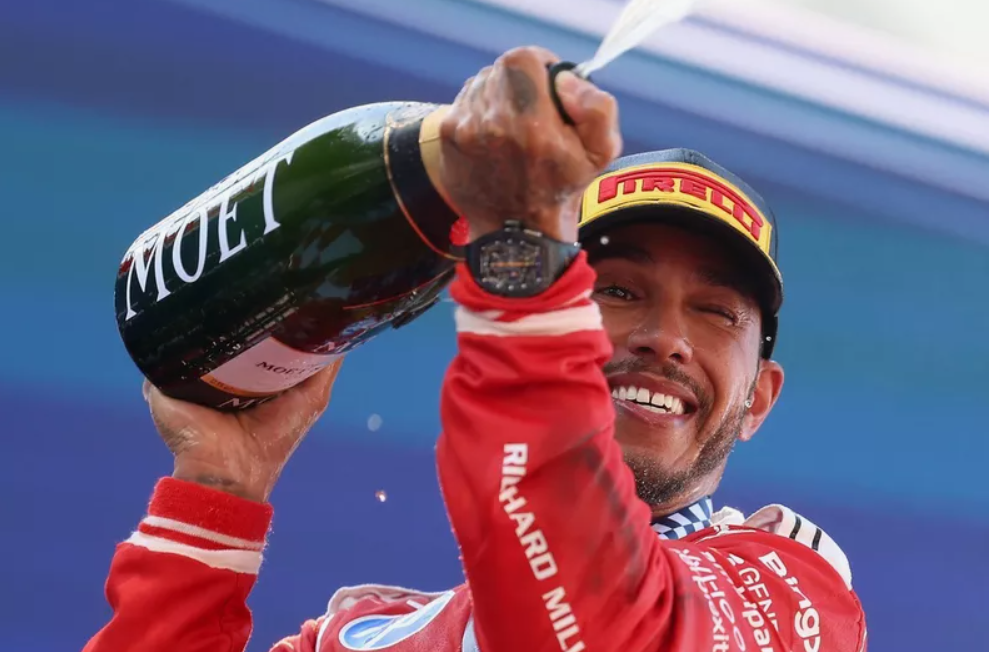
Σύγχρονη επικοινωνία της Formula 1
Με την πάροδο των ετών, η επικοινωνία στη Formula 1 έχει γίνει ολοένα και πιο περίπλοκη. Οι σύγχρονες ομάδες βασίζονται στην τηλεμετρία σε πραγματικό χρόνο, την προγνωστική μοντελοποίηση και τα προηγμένα συστήματα δεδομένων για να λαμβάνουν στρατηγικές αποφάσεις. Οι μηχανικοί σήμερα πρέπει να εξισορροπούν την τεχνική ακρίβεια με τη σαφή επικοινωνία υπό έντονη χρονική πίεση, γεγονός που καθιστά την εμπιστοσύνη μεταξύ οδηγού και μηχανικού πιο σημαντική από ποτέ.Τι σημαίνει αυτό για τη σεζόν του Χάμιλτον
Μια ανανεωμένη αίσθηση κινήτρου και μια βελτιωμένη τεχνική αρμονία θα μπορούσαν να έχουν ουσιαστικό αντίκτυπο στην απόδοση του Hamilton κατά τη διάρκεια της σεζόν.- Καλύτερη συνέπεια στις προϋποθέσεις.
- Βελτιωμένη σταθερότητα στον ρυθμό αγώνα.
- Ισχυρότερη διαχείριση ελαστικών.
- Αποτελεσματικότερη προσαρμογή εντός του αγώνα.
- Υψηλότερη συνολική αυτοπεποίθηση.


Χωρίς σχόλια