

Few driver-team combinations in modern motorsport attract as much attention as Lewis Hamilton and Ferrari. Discussions surrounding long-term plans, team development, and future ambitions regularly generate interest among Formula 1 fans worldwide. Such attention reflects both Hamilton’s remarkable achievements and Ferrari’s historic status within the sport.
Modern Formula 1 requires teams to balance performance, financial planning, technical development, and future objectives. Drivers must also evaluate where they can best achieve their career goals while remaining competitive in a constantly evolving championship.
Why Long-Term Planning Matters in Formula 1
Formula 1 organizations rarely focus exclusively on the next race.
- Technical development programs
- Driver stability
- Budget allocation
- Sponsorship commitments
- Championship objectives
- Future regulation changes
Successful teams often build strategies that extend several seasons into the future.

The Importance of Driver Stability
An established driver lineup can provide multiple benefits.
- Consistent technical feedback
- Strong engineering relationships
- Improved car development direction
- Greater organizational stability
- Long-term performance planning
A stable environment often helps teams maximize performance and maintain continuity across multiple seasons.
Why Contract Discussions Attract Attention
Formula 1 is one of the most closely followed sports in the world. Every comment made by drivers, team principals, and executives is carefully analyzed by fans and media outlets. Contract speculation frequently emerges because supporters want to understand the future direction of teams and drivers. However, negotiations are often more complex than public discussions suggest. Agreements may involve performance targets, sponsorship considerations, technical objectives, and long-term strategic plans. Teams must evaluate current results while also preparing for future regulation changes and competitive challenges. Drivers assess whether a team can provide the environment necessary to achieve success. Because of these factors, long-term planning requires patience, flexibility, and careful decision-making from all parties involved.
Ferrari’s Long-Term Perspective
Ferrari remains focused on maintaining its position among Formula 1’s leading teams.
- Winning races consistently
- Improving overall performance
- Strengthening technical operations
- Developing future talent
- Building championship momentum
Major decisions are generally evaluated according to these long-term objectives.
Hamilton’s Experience and Value
Experienced drivers contribute in many ways beyond race results.
| Category | Impact |
|---|---|
| Race Experience | Very High |
| Technical Feedback | High |
| Leadership | High |
| Commercial Value | Very High |
| Championship Knowledge | Very High |
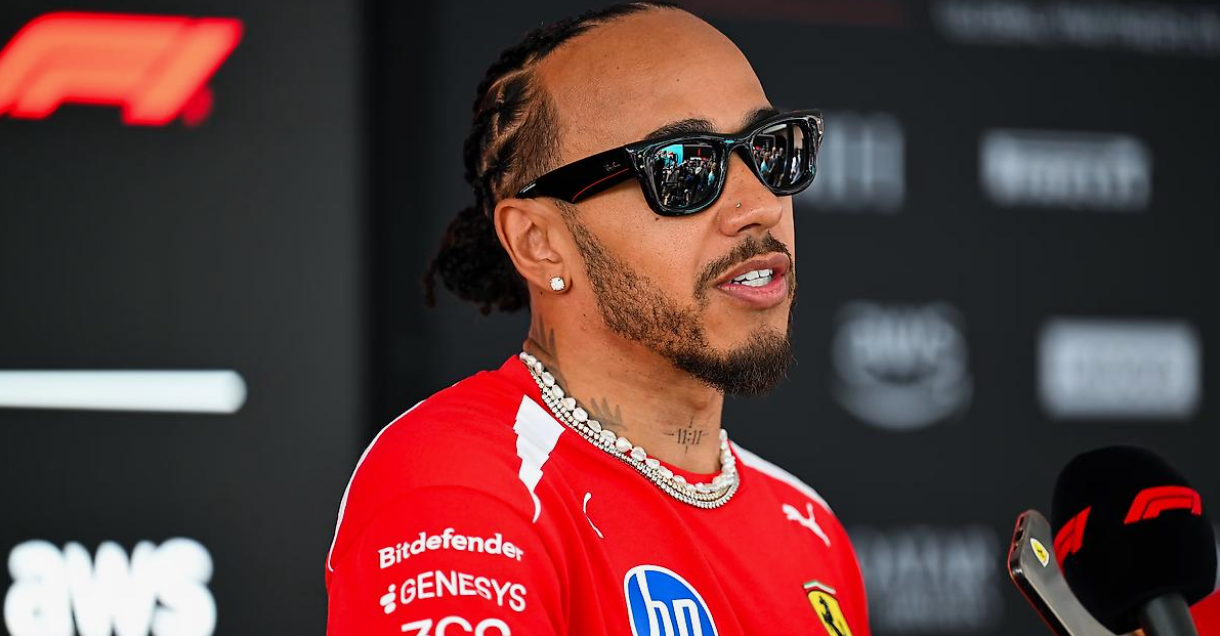
Veteran drivers often help teams improve both on and off the track through experience and leadership.
Lewis Hamilton and Ferrari: The Importance of Long-Term Planning in Formula 1
The Modern Formula 1 Driver Market
Competition for top seats remains intense throughout the championship.
- Performance levels
- Team objectives
- Financial considerations
- Driver availability
- Future regulations
Because so many factors influence decisions, long-term planning in Formula 1 is rarely straightforward.
Looking Ahead
Formula 1 continues evolving through new regulations, technological innovation, and changing competitive dynamics. Teams must continuously reassess their strategies while maintaining focus on performance and development.
Strong partnerships are built on shared goals, mutual trust, and a commitment to achieving success. While speculation often surrounds the future, performance on the track remains the most important factor in shaping long-term opportunities.
Conclusion
The relationship between elite drivers and leading Formula 1 teams extends far beyond simple contract discussions. Technical development, organizational strategy, championship ambitions, and long-term planning all contribute to future success. As the sport continues to grow, strong partnerships based on performance and shared objectives will remain essential components of Formula 1 competition.


No Comments