
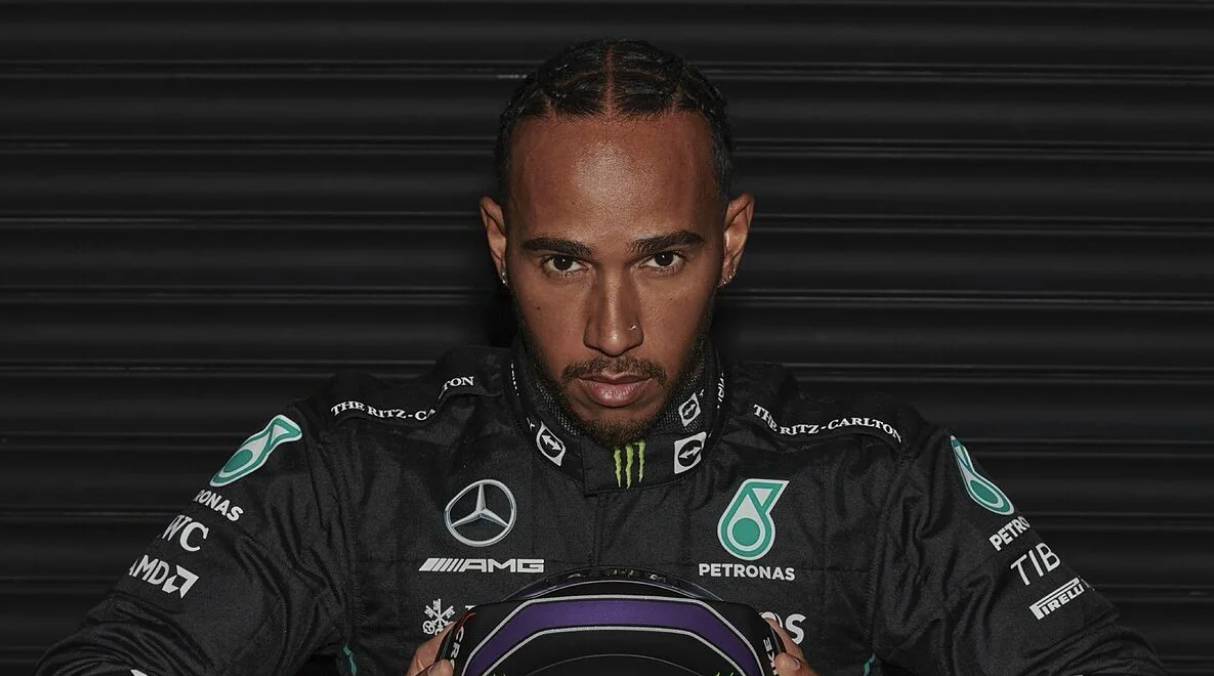
Lewis Hamilton has shared his thoughts after finishing second at the Monaco Grand Prix, admitting that his current team is still not able to consistently challenge Mercedes in terms of overall race pace. The seven-time world champion described the result as solid but also realistic, acknowledging the performance gap that remains in certain conditions.
Monaco once again proved to be one of the most demanding races on the calendar. With its tight layout, limited overtaking opportunities, and high dependence on qualifying position, the event often highlights even the smallest differences in car performance. For Hamilton, the weekend delivered a strong result, but also a clear picture of where his team currently stands in the competitive order.
Hamilton’s Honest Assessment After the Race
Following the race, Hamilton explained that while finishing on the podium is always a positive outcome, the team is still not at the level required to consistently match Mercedes in terms of overall pace. He emphasized that development work is ongoing and that improvements are necessary to close the gap in future races.
- Strong but not dominant race pace
- Competitive qualifying performance needed
- Better tire management required
- Strategy execution still improving
- Consistency remains a key target
Despite these challenges, Hamilton highlighted that the team is moving in the right direction and continues to extract more performance from the car with each race weekend.
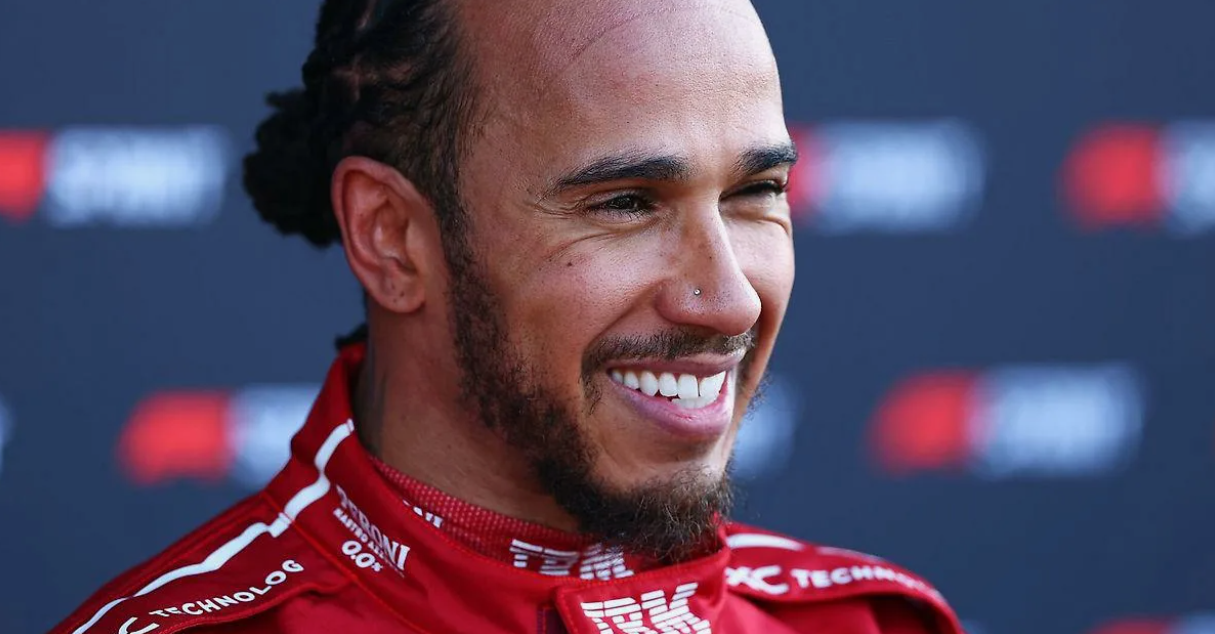
Race Overview: Monaco Demands Precision
The Monaco Grand Prix is widely considered one of the most technical races in Formula 1. Drivers must maintain extreme concentration throughout the entire event due to narrow streets and barriers positioned close to the racing line. Even the smallest mistake can result in significant consequences.
In such conditions, car performance differences become even more visible. Track position is often more important than outright speed, making qualifying performance a decisive factor for success.
Key Takeaways from Hamilton’s Weekend
| Aspect | Performance Analysis |
|---|---|
| Qualifying | Strong but not pole level |
| Race Pace | Competitive but slightly behind leaders |
| Tire Management | Stable across long stints |
| Strategy | Effective but limited by track position |
| Final Result | Solid second place finish |
Mid-Race Technical Analysis
Hamilton’s race performance demonstrated consistency and control, especially in maintaining tire life across multiple stints. However, he noted that the team still struggles to match Mercedes in peak race pace during critical phases of the Grand Prix. While the gap is not massive, it becomes more noticeable in qualifying trim and during high-intensity laps when drivers push the limits of the car. Engineers continue to analyze telemetry data to understand where improvements can be made, particularly in corner entry stability and traction out of slow-speed sections. Monaco highlighted these differences more clearly than many other circuits due to its unique layout and lack of overtaking opportunities. Hamilton also pointed out that strategic flexibility is limited in Monaco, meaning that most positions are effectively decided before the race even begins. This makes qualifying performance and early race positioning even more important for achieving strong results. Despite the challenges, he remains confident that the team is progressing in the right direction and will continue to close the gap as development continues throughout the season.
Why Mercedes Still Holds an Edge
According to Hamilton, Mercedes continues to demonstrate strong performance in key areas such as overall balance, tire management, and race execution. These strengths allow them to maintain consistent results across different circuits and conditions.
- High aerodynamic efficiency
- Strong tire degradation control
- Effective race strategy execution
- Consistent qualifying performance
These advantages make Mercedes a difficult benchmark for other teams trying to close the performance gap.
Areas That Need Improvement
Hamilton acknowledged that while progress has been made, there are still several areas where his team must improve in order to compete more directly with the front-runners.
- Low-speed corner performance
- Qualifying pace consistency
- Race start execution
- Strategic adaptability
- Mechanical grip in tight sections
Comparison With Mercedes Performance
| Category | Hamilton’s Team | Mercedes |
|---|---|---|
| Qualifying Speed | Competitive but behind | Stronger overall |
| Race Pace | Solid consistency | More dominant |
| Tire Management | Stable performance | Highly efficient |
| Strategy Execution | Improving | Highly optimized |
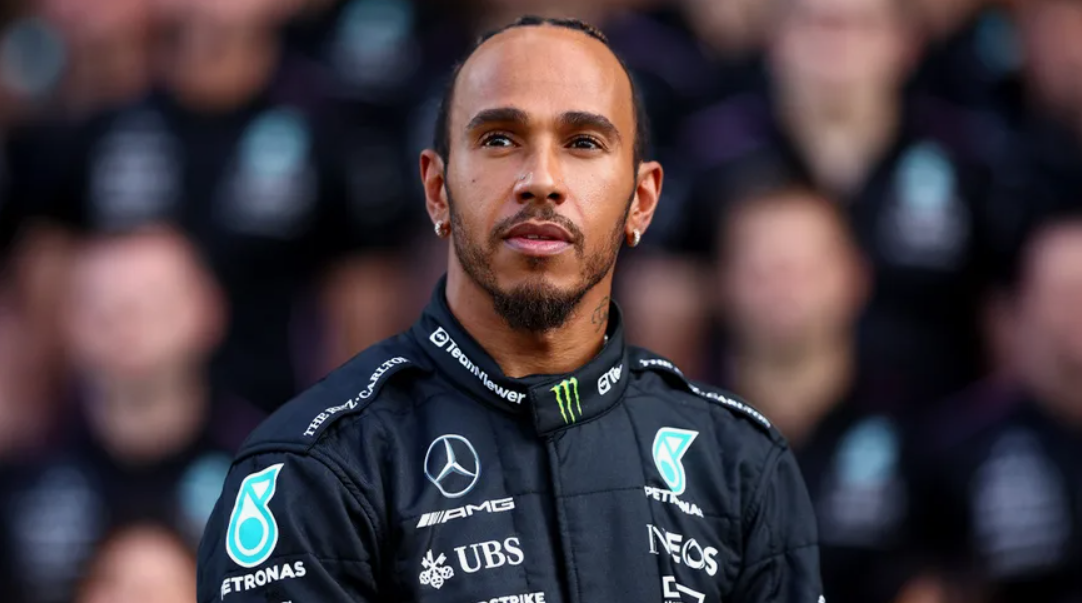
Looking Ahead in the Season
Hamilton remains focused on continuous improvement as the season progresses. With multiple races still ahead, there are plenty of opportunities to reduce the performance gap and fight for stronger results.
Development work will continue in key areas such as aerodynamics, tire performance, and race strategy optimization. The team believes that incremental gains can eventually translate into more consistent podium finishes and potential victories.
Conclusion
Lewis Hamilton’s second-place finish at the Monaco Grand Prix reflects both progress and remaining challenges. While the result is strong, he openly acknowledged that his team is still not fully on par with Mercedes in terms of overall performance.
As Formula 1 moves deeper into the season, the focus will remain on closing the gap, improving consistency, and maximizing every opportunity to compete at the front of the grid.
No Comments