
Από το Ίνγκολσταντ στο δίκτυο: Η πρώτη σεζόν της Audi στο μικροσκόπιο
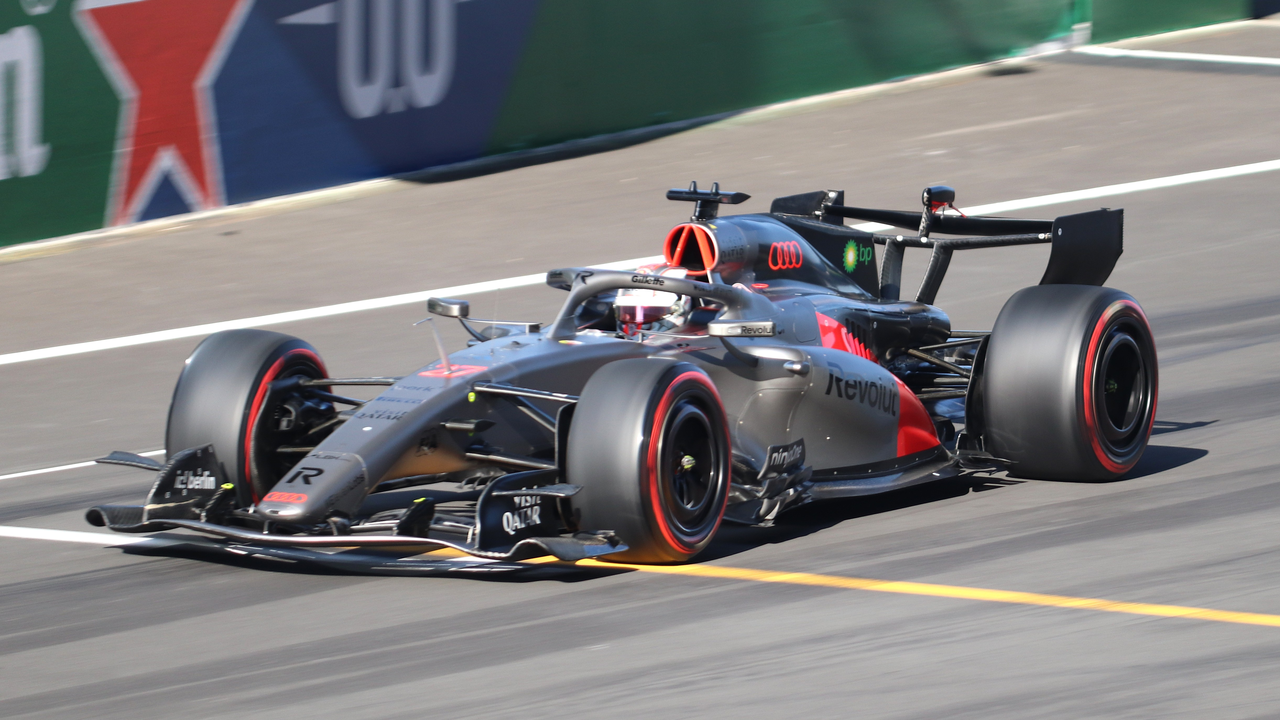
Όταν τα φώτα έσβησαν στον εναρκτήριο αγώνα της σεζόν νωρίτερα φέτος, η Audi έγινε κάτι σπάνιο στη σύγχρονη Formula 1 — ένα γνήσιο εργοστασιακό νεοφερμένο που μπήκε στο grid με τη δική του μονάδα ισχύος, τη δική του φιλοσοφία πλαισίου και μια γκάμα δύο οδηγών που κατασκευάστηκε για να πει μια ιστορία.
Ο Νίκο Χούλκενμπεργκ, ο έμπειρος βετεράνος, επιτέλους στο μηχανάκι που του αξίζει, και ο Γκάμπριελ Μπορτολέτο, ο νυν πρωταθλητής της Φόρμουλα 2, κάνουν το άλμα με τα μάτια ορθάνοιχτα. Πέντε γύροι αργότερα, η εικόνα είναι λεπτή, περίπλοκη και — για τους αισιόδοξους εντός του στρατοπέδου της Audi — ελαφρώς ενθαρρυντική.
Η σεζόν του 2026 έχει ανατρέψει την καθιερωμένη τάξη πραγμάτων πιο δραματικά από ό,τι σχεδόν όλοι προέβλεπαν.
Ένα εντελώς νέο σύνολο τεχνικών κανονισμών, που καλύπτει τόσο την αρχιτεκτονική των αυτοκινήτων όσο και τη διαμόρφωση της μονάδας ισχύος, έχει αναδιαμορφώσει την αγορά με τρόπους που καθιστούν την είσοδο της Audi λιγότερο τρομακτική από ό,τι θα μπορούσε να ήταν με τους παλιούς κανόνες.
Με ομάδες όπως η Red Bull να διαχειρίζονται μια μεταβατική περίοδο μετά τον Christian Horner και ολόκληρη τη μεσαία γραμμή να αναπροσαρμόζεται, το παράθυρο για έναν νεοφερμένο με καλούς πόρους να βρει νωρίς τα πατήματά του είναι πραγματικά ανοιχτό.
Το κεντρικό ερώτημα ενόψει του Σαββατοκύριακου του Αυστριακού Grand Prix είναι αν η Audi το έχει περάσει από αυτό — ή ακόμα ψάχνει για τον δρόμο.
Ένα νέο κανονιστικό τοπίο που ταιριάζει σε μια προσέγγιση από την αρχή
Αξίζει να κάνουμε μια παύση στο πλαίσιο πριν καταλήξουμε σε κάποια συμφραζόμενη άποψη. Οι κανόνες του 2026 δεν αποτελούν τροποποίηση των προηγούμενων κανόνων. Αντιπροσωπεύουν μια συνολική αναδιαμόρφωση του τι είναι ένα αυτοκίνητο της Formula 1 και του πώς παράγει απόδοση.
Κάθε κατασκευαστής στο πλέγμα, σε διαφορετικό βαθμό, επεξεργάζεται τις συνέπειες αυτής της επαναφοράς.
Η διαφορά για την Audi είναι ότι δεν είχαν καμία παραδοσιακή αρχιτεκτονική για να την αναβαθμίσουν, καμία προηγούμενη πρωτότυπη ιδέα για να προστατεύσουν ή να θρηνήσουν. Ξεκίνησαν με ένα λευκό φύλλο χαρτιού την ίδια στιγμή που οι κανονισμοί το απαιτούσαν.
Αυτό το φιλοσοφικό πλεονέκτημα της καθαρής βάσης, ωστόσο, εξισορροπείται από ένα κρίσιμο μειονέκτημα: το επιχειρησιακό βάθος.
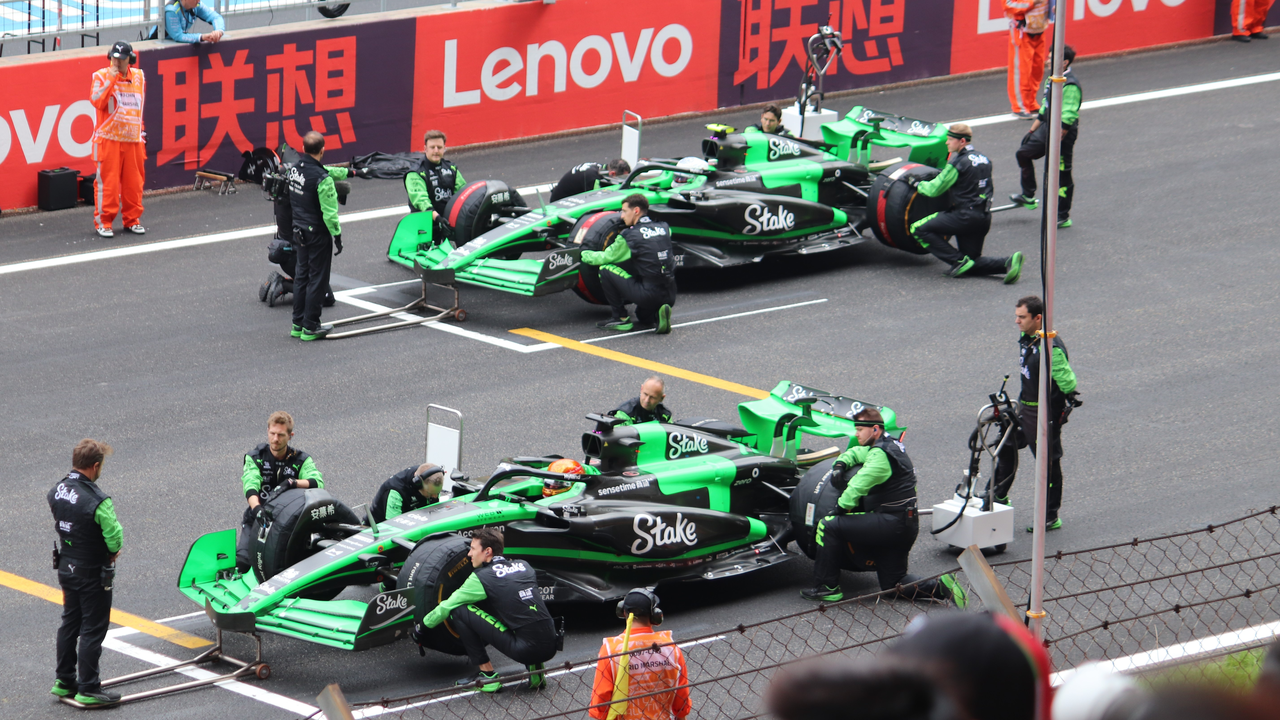
Ομάδες όπως η Mercedes, η Ferrari και η McLaren έχουν δεκαετίες διαδικαστικής μυϊκής μνήμης — αυτή που τους επιτρέπει να διαγνώσουν μια ανισορροπία χειρισμού στις 3 π.μ., να κατανοήσουν γιατί ένα ελαστικό φθείρεται απροσδόκητα ή να αντιδράσουν σε ένα ξαφνικό παράθυρο καιρού κατά τη διάρκεια μιας ακολουθίας pit-stop.
Η Audi οικοδομεί αυτή τη θεσμική γνώση σε πραγματικό χρόνο, αγώνα με τον αγώνα, πίστα με την πίστα. Η καμπύλη μάθησης είναι απότομη και το paddock δεν προσφέρει περιόδους χάριτος.
Παρ 'όλα αυτά, οι ολοκαίνουργιοι κανονισμοί για τις μονάδες ισχύος έχουν οριστικοποιήσει ένα ιστορικά καθοριστικό όριο.
Οι προμηθευτές κινητήρων που κυριαρχούσαν για χρόνια δεν έχουν εγγυημένο το ίδιο ιεραρχικό πλεονέκτημα, και η αρχιτεκτονική εσωτερικής καύσης και υβριδικής τεχνολογίας της Audi έχουν δείξει εκλάμψεις γνήσιας ανταγωνιστικότητας σε ακατέργαστα στοιχεία απόδοσης, ακόμη και αν η οδηγησιμότητα και η αξιοποίηση της ενέργειας παραμένουν τομείς που οι μηχανικοί βελτιώνουν.
Για έναν κατασκευαστή που δεσμεύτηκε για αυτό το έργο πολύ πριν οριστικοποιηθούν οι κανονισμοί, αυτή δεν είναι μικρή επικύρωση.
Hulkenberg: Ο βετεράνος που βρίσκει τα πατήματά του — και άλλα πολλά
Αν υπάρχει ένας οδηγός σε ολόκληρη την πίστα του 2026 του οποίου η παρουσία σε εργοστασιακή θέση μοιάζει με μια ιστορία που έχει λυθεί, αυτός είναι ο Νίκο Χούλκενμπεργκ. Ο Γερμανός πέρασε πάνω από μια δεκαετία ως ένας από τους πιο σεβαστούς οδηγούς στο paddock, χωρίς ποτέ να διοικήσει το μηχανικό σύνολο που άξιζε το ταλέντο του.
Τώρα, έχοντας επιτέλους την έδρα των τελειόφοιτων της Audi, έχει φέρει ακριβώς αυτό που χρειαζόταν η ομάδα: δομημένη, μεθοδική ανατροφοδότηση, την ικανότητα να διαχωρίζει τη συμπεριφορά του αυτοκινήτου από το λάθος του οδηγού και μια συναισθηματική σταθερότητα που χρειάζονται απεγνωσμένα τα νεαρά προγράμματα όταν τα αποτελέσματα είναι δύσκολο να επιτευχθούν.
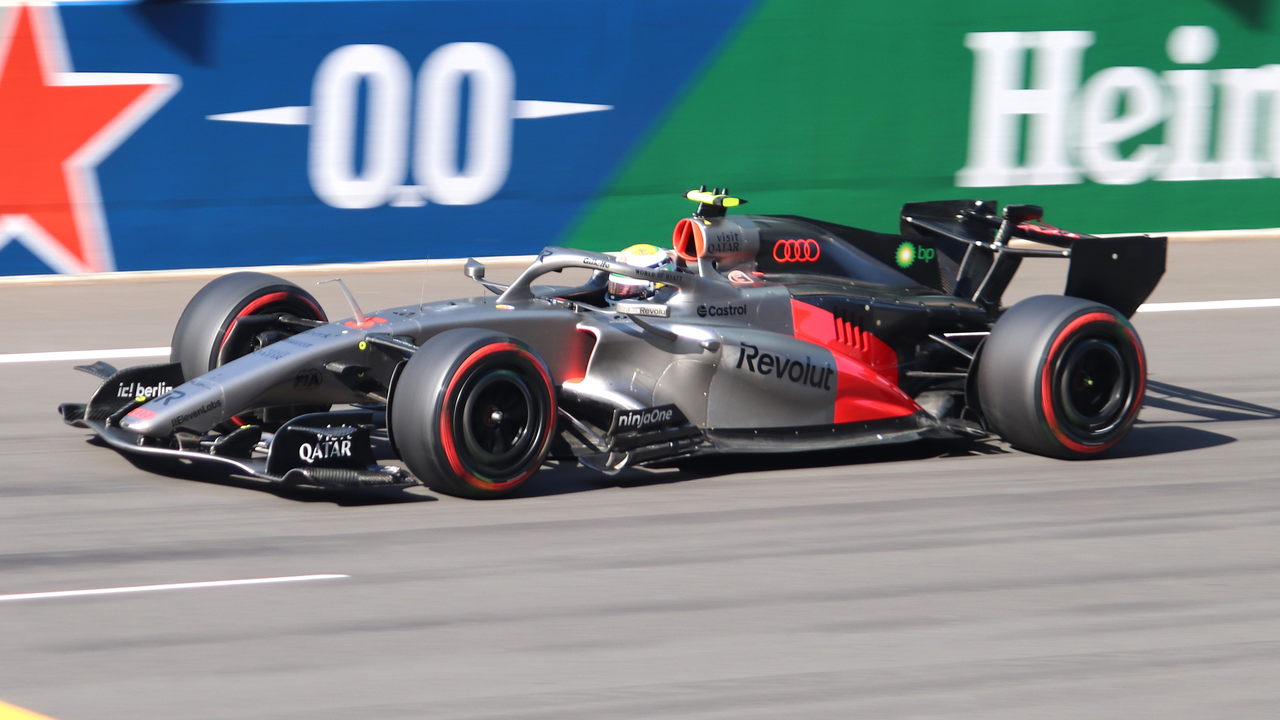
Η συνεισφορά του Hulkenberg στους πρώτους πέντε γύρους ήταν κυρίως αναπτυξιακής φύσης.
Είναι το είδος του οδηγού που φτάνει στην απολογιστική διαδικασία του εργοστασίου με ήδη διατυπωμένες ερωτήσεις, που μπορεί να διατυπώσει τι κάνει το πίσω μέρος κατά το φρενάρισμα με γλώσσα που μεταφράζεται άμεσα σε μηχανολογικές λύσεις.
Η τεχνική ηγεσία της Audi είναι γνωστό ότι εκτιμά ιδιαίτερα αυτή την ποιότητα, και αυτό φαίνεται από το πώς το αυτοκίνητο έχει εξελιχθεί ορατά σε διαδοχικά Σαββατοκύριακα αγώνων. Οι σταδιακές αναβαθμίσεις έχουν γίνει στα σωστά σημεία, υποδηλώνοντας έναν παραγωγικό διάλογο μεταξύ του πιλοτηρίου και του τοίχου των pit.
Στην πορεία του, ο Hulkenberg έχει προσφέρει μετρημένες επιδόσεις που δεν δημιουργούν πάντα πρωτοσέλιδα, αλλά σίγουρα δημιουργούν δεδομένα.
Η καθαρή αγωνιστική οδήγηση, η έξυπνη διαχείριση ελαστικών και η αποφυγή δαπανηρών ατυχημάτων έχουν διατηρήσει το ρεκόρ των κατασκευαστών της ομάδας σε ένα περιβάλλον όπου κάθε βαθμός έχει σημασία για έναν νεοφερμένο που θέτει τη βάση του.
Δεν διεκδικεί ακόμη την κορυφαία βαθμίδα σε σταθερή βάση — η διαφορά από την κυρίαρχη ομάδα της Mercedes του Kimi Antonelli, η οποία προηγείται του Lewis Hamilton με 41 βαθμούς στην κατάταξη των οδηγών, παραμένει σημαντική — αλλά ο Hulkenberg δεν επιλέχθηκε ποτέ για να κερδίσει αγώνες την πρώτη χρονιά.
Προσλήφθηκε για να χτίσει ένα ίδρυμα ικανό να τους κερδίσει την τρίτη ή τέταρτη χρονιά.
Μπορτολέτο: Ο Πρωτάρης που Ήδη Κάνει Αμήχανες Ερωτήσεις
Αν ο Χούλκενμπεργκ είναι η ραχοκοκαλιά του προγράμματος, ο Γκάμπριελ Μπορτολέτο είναι η καρδιά του — απρόβλεπτος, περιστασιακά εκπληκτικός και εντελώς απρόθυμος να συμπεριφερθεί σαν κάποιος που υποτίθεται ότι μαθαίνει ήσυχα.
Η μετάβαση του Βραζιλιάνου από πρωταθλητή της Formula 2 σε πρωτοεμφανιζόμενο της F1 εξελίχθηκε πιο γρήγορα από ό,τι πολλοί περίμεναν, και σε ορισμένες κατατακτήριες περιόδους έχει επιδείξει ρυθμό ενός γύρου που έχει κάνει ακόμη και τα πιο έμπειρα μέλη του paddock να τον προσέξουν.
Χωρίς σχόλια