
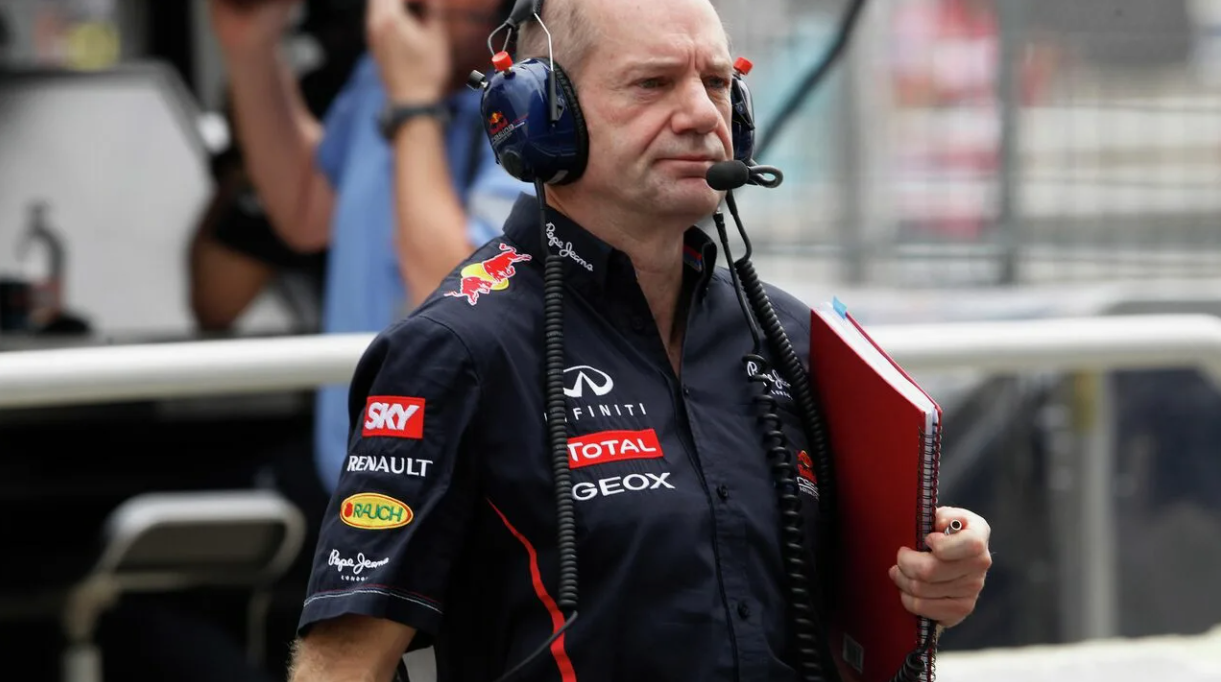
The return of legendary Formula 1 aerodynamicist Adrian Newey to the paddock has sparked widespread discussion across the motorsport world. After a period away from active trackside involvement, his reappearance has been interpreted as a potentially significant shift in the technical and competitive landscape of Formula 1.
This article breaks down his first comments, reactions from teams and insiders, and what his presence could mean for the current F1 development race.
Background: Why Newey’s Presence Matters
Adrian Newey is widely regarded as one of the most influential technical minds in Formula 1 history. His aerodynamic concepts have shaped championship-winning cars across multiple eras.
- Rarely appears without strategic intent
- His insights often signal future design directions
- Teams closely monitor his movements for competitive clues
Even a short paddock appearance can shift speculation across rival teams.
First Comments After Returning
In his initial remarks, Newey emphasized a calm and observational approach rather than dramatic declarations. Instead of focusing on results or rivalry, he highlighted:
- Evolution of modern ground-effect cars
- Increased aerodynamic regulation complexity
- Balance between innovation and stability
Observers noted that his tone suggested analysis rather than immediate involvement in development.
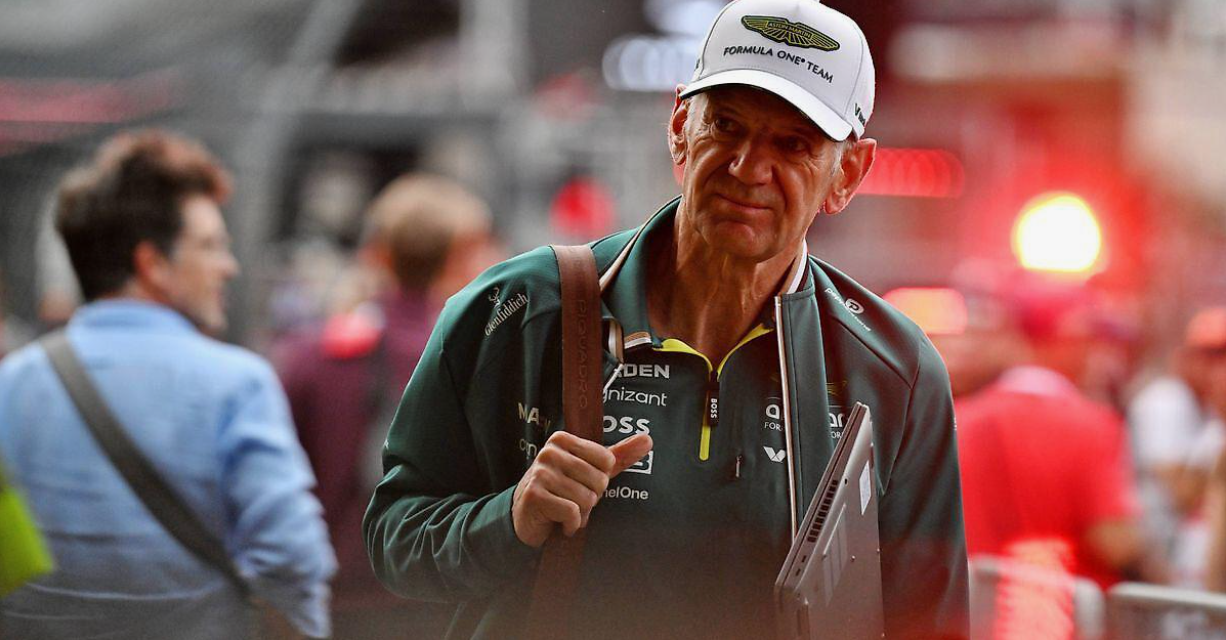
Key Observations from the Paddock Visit
1. Aerodynamic Complexity Has Increased
Modern F1 cars rely heavily on underfloor aerodynamics, making small design changes extremely impactful.
2. Regulation Interpretation is Critical
Teams now find performance gains by interpreting rules creatively rather than only increasing downforce.
3. Development Cycles Are Faster
Rapid iteration is now required, leaving less time for long-term design refinement.
4. Driver Feedback Integration
Real-time driver feedback plays a crucial role in shaping aerodynamic direction.
Strategic Implications for F1 Teams
Newey’s presence is not just symbolic. Even informal insights from top engineers can influence development paths.
- Increased focus on floor efficiency upgrades
- Re-evaluation of drag reduction strategies
- More aggressive mid-season upgrades
- Greater emphasis on simulation accuracy
Technical Perspective: What Engineers Are Watching
Modern F1 engineering is heavily data-driven, but intuition still matters. Key areas of interest include:
- Vortex management under the floor
- High-speed aerodynamic stability
- Ride height sensitivity
- Cooling integration efficiency
His insights often align with future performance trends across the grid.
Continuous Analysis Block (~1000 Characters)
Newey’s return to the paddock is being interpreted differently depending on the team and their competitive situation. Some engineers view it as a routine visit from a veteran observing modern Formula 1, while others believe it may indicate deeper involvement in future technical projects. What makes his presence so influential is not only his past achievements but also his ability to recognize aerodynamic patterns long before they appear in performance data. He reportedly focused on the balance between regulation constraints and creative interpretation, suggesting that current F1 cars still have untapped potential in floor aerodynamics and airflow conditioning. His calm and analytical tone was seen as typical of someone evaluating rather than reacting, reinforcing the idea that he thinks several development cycles ahead. Even without direct involvement in a design office, his observations often influence engineering priorities across the paddock.
Reactions from the F1 Community
- Team engineers: Analysis of hidden meaning in comments
- Drivers: Respect for his legacy and curiosity about future cars
- Media: Speculation about advisory or consultancy roles
- Fans: Renewed excitement about technical battles
Comparative Overview
| Area | Current F1 Trend | Newey Perspective | Likely Impact |
|---|---|---|---|
| Aerodynamics | Ground-effect dominance | Still evolving | More floor-focused upgrades |
| Regulations | Strict but flexible interpretation | Opportunity-driven constraints | Innovation in loopholes |
| Development speed | Fast iteration cycles | Risk of shallow optimization | More strategic design planning |
| Strategy | Data-heavy decisions | Balance of intuition and simulation | More holistic engineering |
| Performance gaps | Very small margins | Highly sensitive aero efficiency | Increased competitiveness |

Why His Return Matters Now
The timing is important as Formula 1 regulations are currently stable. When rules remain consistent, teams converge in design philosophy, and small innovations become decisive.
- Small aerodynamic gains matter more
- Experienced designers have greater influence
- Interpretation differences define performance
Conclusion
The return of Adrian Newey to the Formula 1 paddock represents more than a symbolic appearance. It reflects renewed technical curiosity within the sport. While his comments were measured, their implications extend across the entire grid.
Teams will continue analyzing even subtle hints, as history shows that his insights often align with future performance breakthroughs. Whether this return signals a larger role or simply a temporary visit, his influence on Formula 1 engineering remains undeniable.
No Comments