
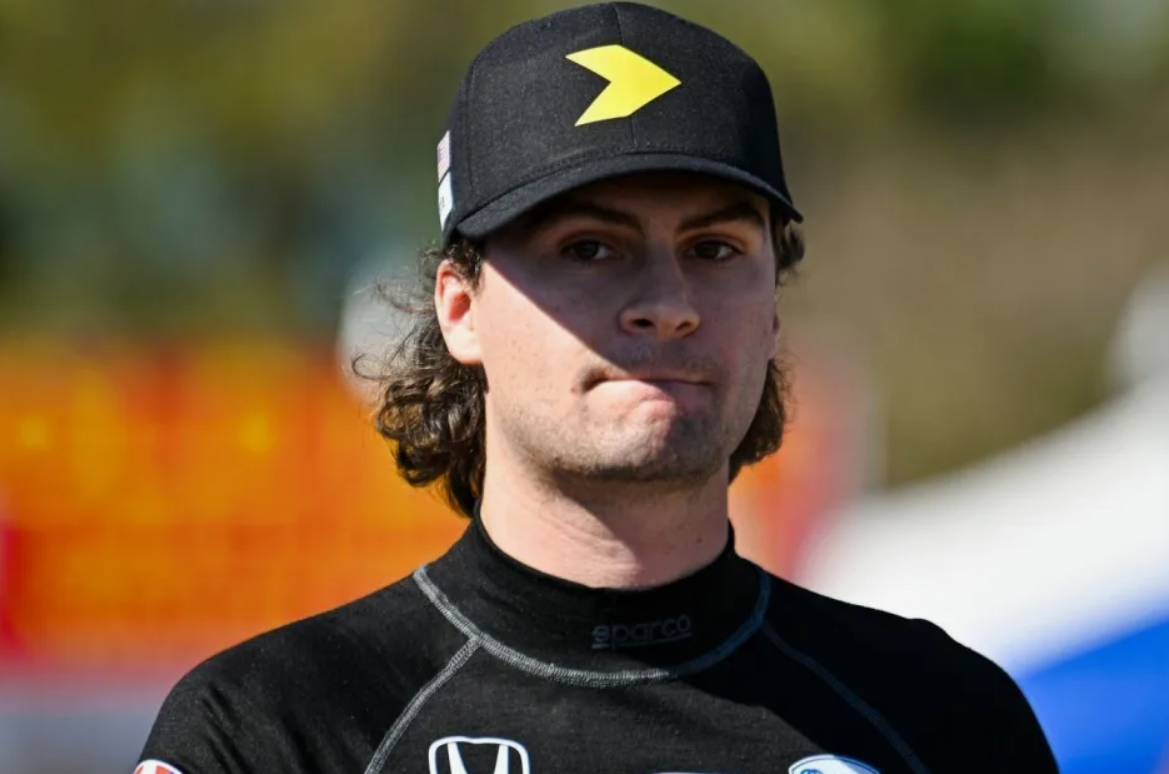
Formula 1 continues to expand its focus on driver development and strategic evaluation sessions. One of the most notable upcoming changes involves Colton Herta, who will take part in a Formula 1 free practice session for the Cadillac program in Barcelona.
The American driver will replace Sergio Pérez for this FP1 outing, marking an important step in Cadillac’s long-term evaluation process as the brand continues preparing for its future entry into Formula 1.
Overview of the Cadillac F1 Project
The Cadillac Formula 1 project represents General Motors’ growing ambition to enter the top level of global motorsport. Although still in development, the program is already attracting significant attention across the paddock.
- Building long-term competitiveness in Formula 1
- Developing American racing talent
- Establishing technical partnerships
- Preparing infrastructure for future entry
- Evaluating drivers for potential race seats
Herta’s FP1 participation is part of this structured development plan.
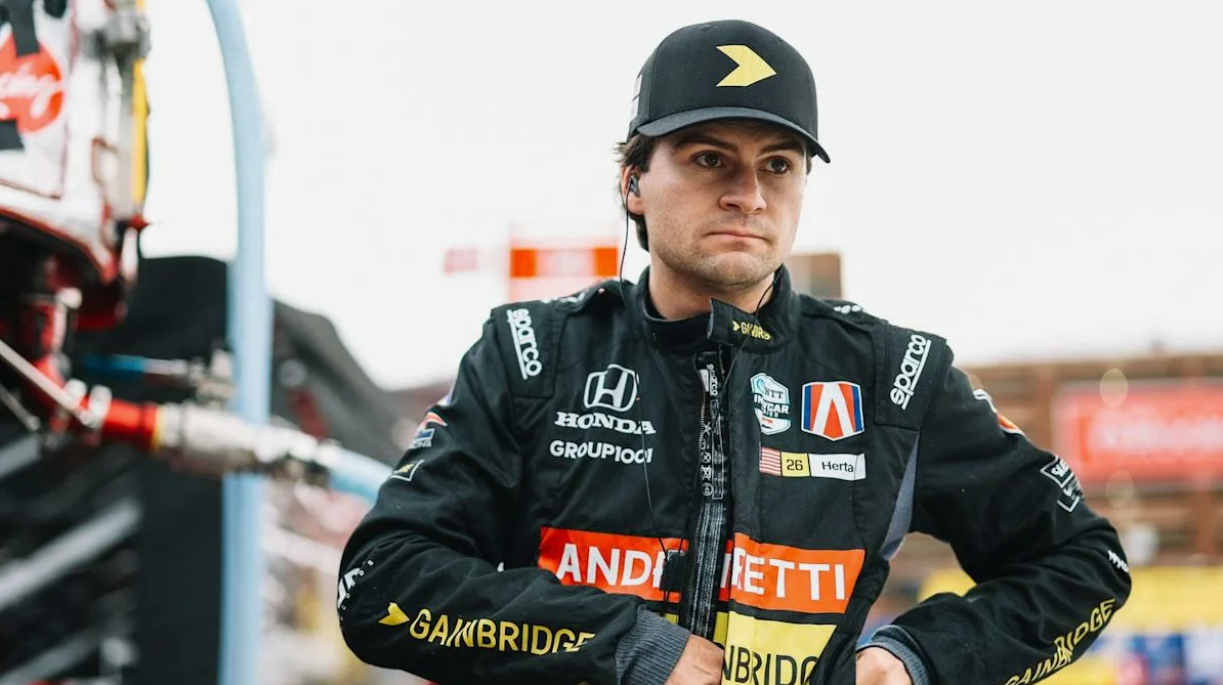
Why Colton Herta Was Selected
Colton Herta has established himself as one of the most promising American drivers outside Formula 1, particularly through his performances in IndyCar.
Main strengths:
- Strong qualifying pace
- Consistent race performance
- Adaptability to street circuits
- High-speed racecraft
- Experience in pressure situations
This FP1 session will provide a valuable benchmark for his adaptability to Formula 1 machinery.
Technical Analysis Block (~1000 Characters)
The decision to place Colton Herta in a Formula 1 free practice session is part of a structured evaluation process rather than a symbolic appearance. Modern F1 teams use FP1 sessions to assess multiple performance factors including adaptability to hybrid power units, aerodynamic sensitivity, tyre degradation behavior, and real-time communication with engineers. For Herta, the transition from IndyCar to Formula 1 machinery will present a significant challenge due to the increased complexity of hybrid systems and the extreme sensitivity of aerodynamic performance. Engineers will closely monitor his ability to adapt to energy recovery systems, braking performance differences, and tire management strategies. Beyond raw lap time, Cadillac will also evaluate feedback quality, learning speed, and consistency under evolving track conditions. These factors are critical in determining whether a driver can transition successfully into a long-term Formula 1 role.
Why Sergio Pérez Is Not Driving This FP1
The decision to replace Sergio Pérez for this session is part of planned driver evaluation and testing strategy rather than performance-related reasons.
- Structured FP1 driver rotation program
- Testing alternative driver profiles
- Data collection and development goals
- Future Cadillac driver evaluation process
- Session-specific development objectives
What FP1 Means for Young Drivers
Free Practice 1 sessions play an important role in bridging the gap between junior categories and Formula 1 competition.
- Learning full F1 car systems
- Collecting real race weekend data
- Testing tyre compounds and behavior
- Understanding aerodynamic feedback
- Working directly with F1 engineers
Comparison Table: IndyCar vs Formula 1 FP1
| Factor | IndyCar (Herta) | Formula 1 FP1 |
|---|---|---|
| Car complexity | Moderate | Extremely high |
| Hybrid systems | Not present | Central performance factor |
| Aerodynamics | Limited influence | Critical and highly sensitive |
| Tyre behavior | More stable | Highly variable and complex |
| Learning curve | Established driver | Steep adaptation required |
| Data systems | Simpler telemetry | Advanced real-time analytics |
Cadillac’s Long-Term Formula 1 Strategy
The Cadillac F1 project is part of a broader plan by General Motors to establish itself in top-level motorsport.
- Building technical competitiveness
- Developing structured driver pipelines
- Establishing manufacturer credibility
- Creating long-term F1 presence
- Integrating racing technology into future development
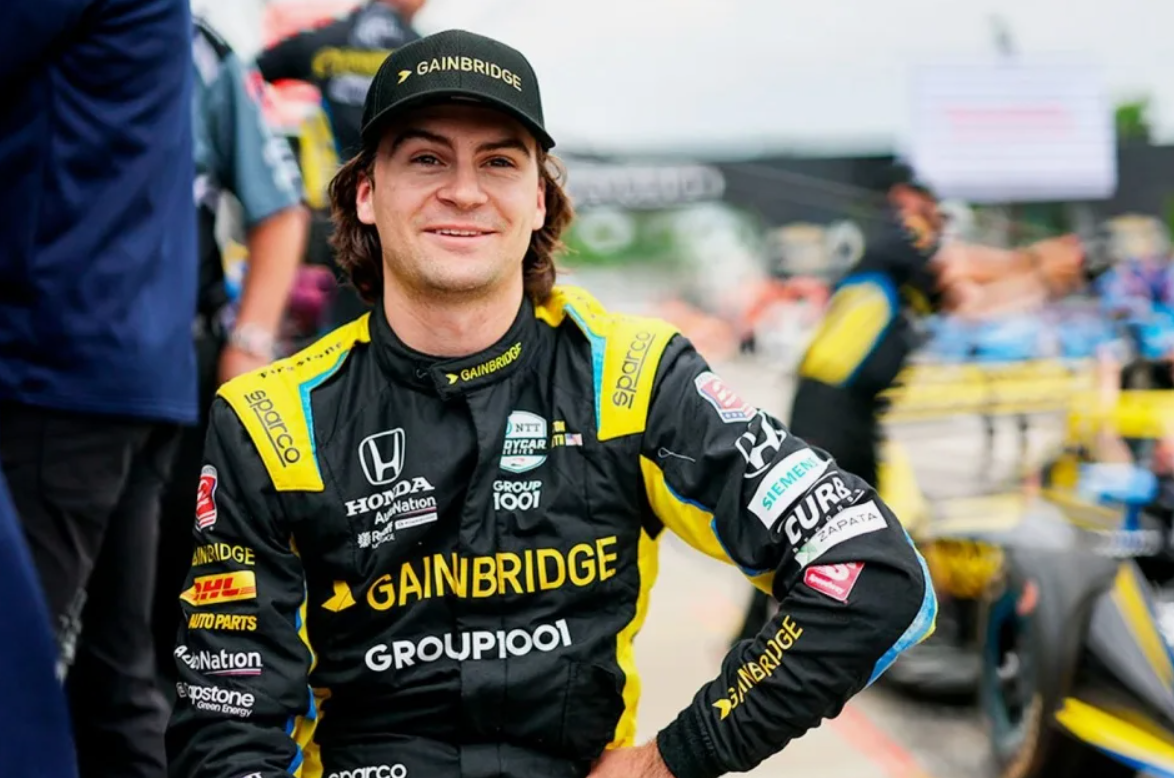
Challenges for Colton Herta
Transitioning into Formula 1 machinery presents a number of technical and operational challenges.
- Adapting to hybrid power unit behavior
- Managing tire degradation patterns
- Understanding aerodynamic sensitivity
- Learning new engineering systems
- Delivering precise technical feedback
Opportunities for Herta
Despite the challenges, this FP1 session offers significant opportunities for career development.
- Exposure to Formula 1 environment
- Performance benchmarking against F1 drivers
- Improved visibility within F1 paddock
- Development of technical understanding
- Strengthening future F1 prospects
Conclusion
The FP1 appearance of Colton Herta for Cadillac in Barcelona represents a key step in the team’s long-term Formula 1 development strategy. It is a structured evaluation aimed at assessing driver adaptability to the highest level of motorsport.
As Cadillac prepares for its future entry into Formula 1, sessions like this play a crucial role in shaping both driver selection and technical direction. Herta’s performance will be closely analyzed as part of a broader vision for the team’s future competitiveness.
No Comments