
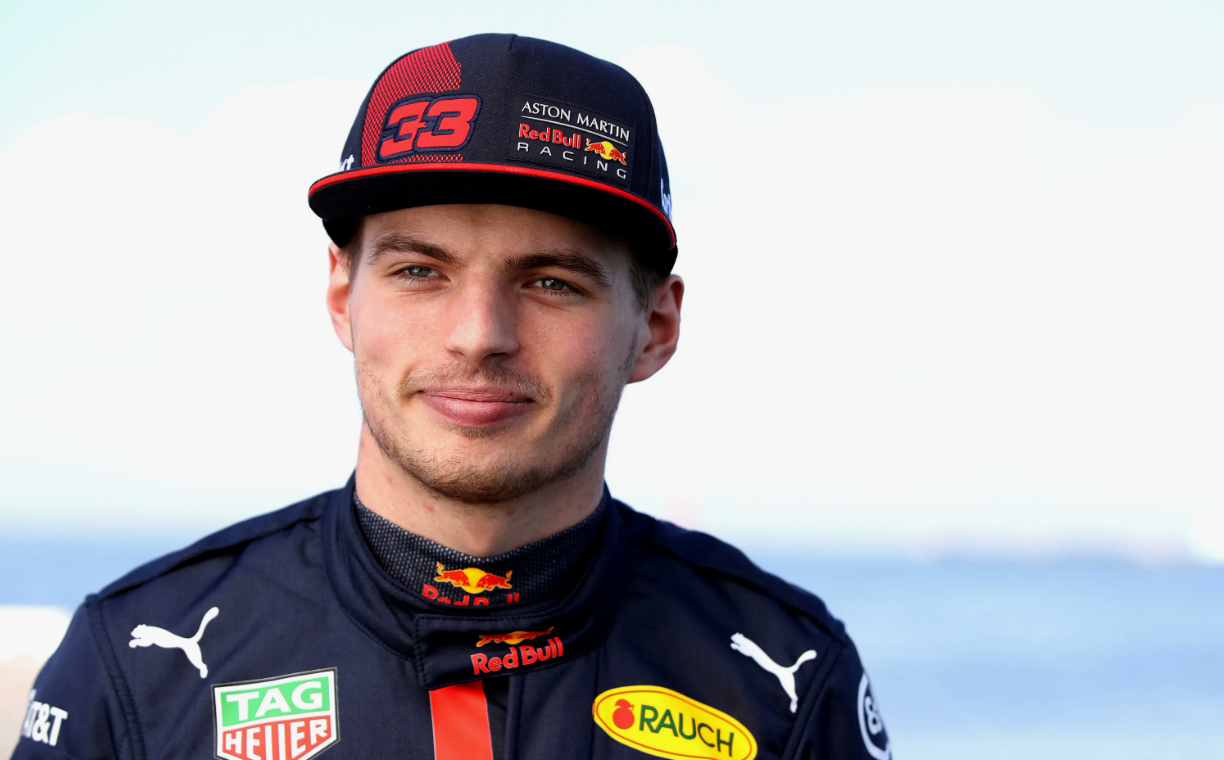
The dominance of Max Verstappen continues to shape the modern Formula 1 landscape. His performances have set a benchmark that influences how teams, engineers, and even rival families evaluate the next generation of drivers. One of the most recent comments came from the father of Mercedes junior prospect Andrea Kimi Antonelli, who stated that Verstappen is currently operating on a completely different level compared to the rest of the grid.
This perspective reflects a growing consensus in the paddock: Verstappen is not only winning races but redefining performance standards in the sport.
Why Verstappen Is Considered “On Another Level”
Max Verstappen’s recent dominance is built on more than raw speed. His advantage comes from a combination of technical precision, consistency, and race intelligence.
Main strengths:
- Exceptional qualifying consistency
- Strong race pace in all conditions
- Elite tyre management
- Advanced race strategy execution
- Very low error rate under pressure
These qualities make him extremely difficult to match over a full season.

Perspective from the Antonelli Family
The comments from Antonelli’s father underline the reality facing young drivers entering Formula 1 today: the benchmark is exceptionally high.
- Verstappen defines the current performance standard
- Consistency matters more than single-lap speed
- Race execution is now critical for success
- Young drivers face accelerated development pressure
For rising talents, this level of performance sets both a target and a challenge.
Technical Analysis Block (~1000 Characters)
Max Verstappen’s performance advantage in modern Formula 1 is the result of a highly refined combination of driving skill, technical understanding, and adaptability to current ground-effect regulations. In this era, drivers must manage not only raw pace but also aerodynamic sensitivity, tyre degradation, and complex energy recovery systems. Verstappen consistently demonstrates superior control in these areas, particularly in maintaining tyre performance over long stints while preserving race pace efficiency. His ability to adjust driving style depending on track conditions without sacrificing performance highlights a deep understanding of car behavior at the limit. For young drivers like Andrea Kimi Antonelli, this creates a benchmark that extends beyond traditional racing ability. It requires mastery of data interpretation, braking optimization, and precision under high downforce loads, making Verstappen’s level of consistency one of the most difficult targets in modern motorsport.
Key Strengths Defining Verstappen’s Performance
1. Race Control
- Ability to manage race pace from the front
- Strong situational awareness during changing conditions
2. Tire Management
- Exceptional control over degradation
- Efficient use of tyre performance window
3. Adaptability
- Performs consistently in wet and dry conditions
- Quickly adjusts driving style when required
4. Mental Strength
- Maintains focus under pressure
- Very low performance fluctuation across race weekends
Comparison Table: Verstappen vs Typical Top Driver
| Factor | Max Verstappen | Typical Top Driver |
|---|---|---|
| Qualifying consistency | Extremely high | High but variable |
| Race pace control | Dominant | Competitive |
| Tyre management | Elite level | Strong |
| Adaptability | Outstanding | Good to very good |
| Error rate | Very low | Moderate |
| Mental pressure handling | Exceptional | Varies by experience |
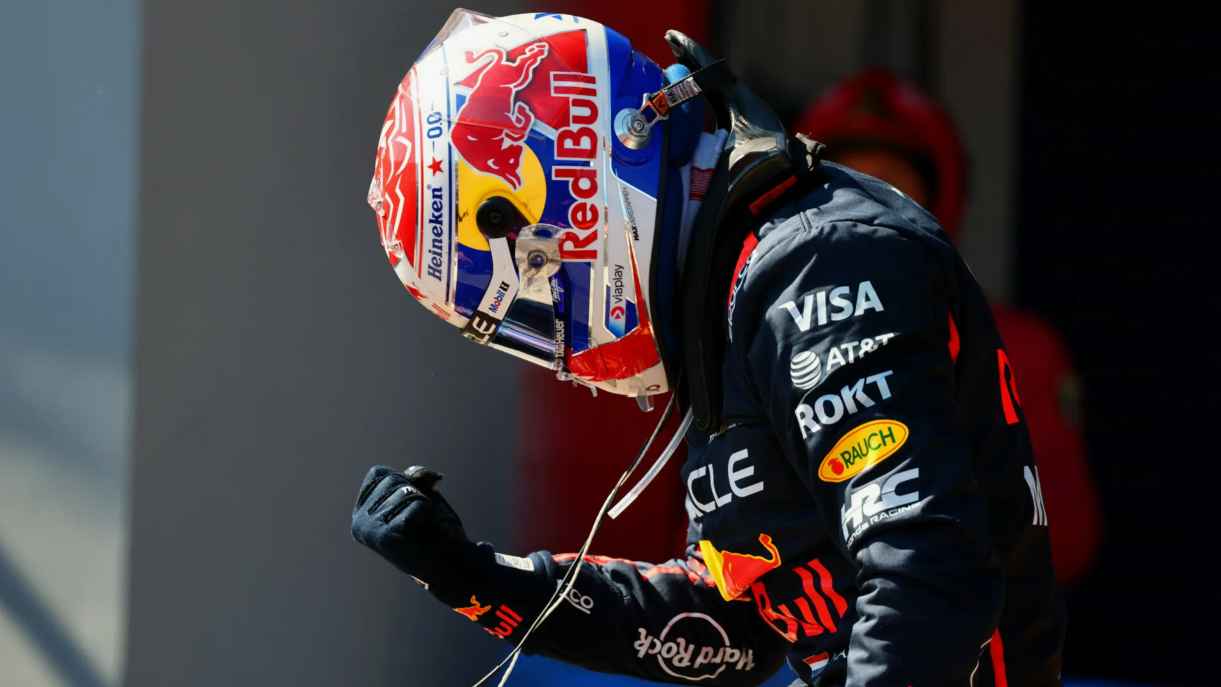
What This Means for Young Drivers
For emerging talents like Andrea Kimi Antonelli, Verstappen represents the modern benchmark for success in Formula 1.
- Need for consistent race execution
- Improvement in tyre management skills
- Higher focus on technical feedback quality
- Stronger adaptability to hybrid systems
- Increased mental resilience requirements
The Evolution of Formula 1 Standards
Modern Formula 1 has evolved into a highly technical environment where drivers must combine physical skill with deep engineering understanding.
- Energy deployment optimization
- Advanced tyre strategy execution
- High-level simulator integration
- Continuous data-driven development
- Adaptation to complex regulations
Conclusion
The comments from Antonelli’s father reflect a widely accepted view within Formula 1: Max Verstappen currently operates at a performance level that defines the modern benchmark of the sport.
For young drivers, this represents both a challenge and a target. As the next generation develops, Verstappen’s consistency, control, and adaptability continue to set the standard for what it takes to succeed at the highest level of motorsport.
No Comments