
Williams reserve driver Luke Browning will make two consecutive Formula 1 practice appearances, taking part in FP1 at the Barcelona-Catalunya Grand Prix and the Austrian Grand Prix. The 24-year-old Briton will drive the FW48 as Williams continues to combine its rookie-session obligations with the development of one of its leading academy prospects.
Alex Albon will hand his car to Browning in Barcelona, while Carlos Sainz will step aside for the opening practice session in Austria two weeks later. The back-to-back outings will give Browning valuable experience with Williams’ 2026 challenger on two very different circuits.
Browning Earns Two More Formula 1 Opportunities
Browning was appointed Williams’ Formula 1 reserve driver at the start of the 2026 season after joining the team’s Driver Academy in 2023. His new role includes simulator duties, trackside support, and preparation to replace a race driver if required.
The upcoming sessions are not his first experience of an official F1 weekend. Browning drove for Williams in FP1 at Abu Dhabi in 2024 and returned for practice appearances in Bahrain, Mexico, and Abu Dhabi during the 2025 season.
- Barcelona FP1: Browning replaces Alex Albon
- Austria FP1: Browning replaces Carlos Sainz
- Car: Williams FW48
- Role: Williams Formula 1 reserve driver
- Academy member since 2023
Driving in consecutive European events should help Browning build continuity. Instead of waiting several months between appearances, he can apply lessons from Barcelona directly to his preparation for Austria.
Why Williams Must Give Practice Time to Rookie Drivers
Formula 1 regulations require every full-time race driver to give up two free practice sessions during the 2026 season for a rookie. In this context, a rookie is a driver who has started no more than two Grands Prix.
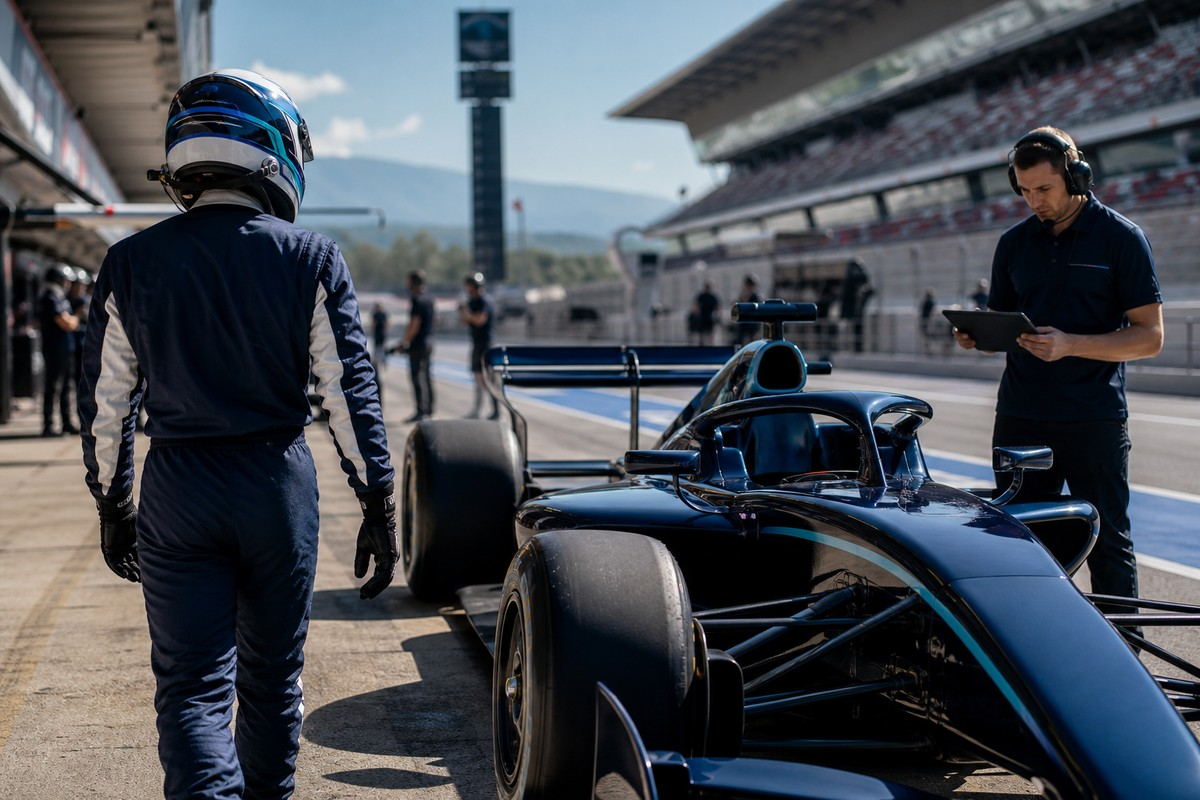
Williams can therefore meet part of its regulatory requirement while also giving a trusted reserve driver meaningful mileage. Using Browning in both cars across separate weekends allows the team to evaluate his work with different engineering groups and compare his feedback across contrasting tracks.
| Grand Prix | Driver Stepping Aside | Key Track Demands |
|---|---|---|
| Barcelona-Catalunya | Alex Albon | Aerodynamic balance, medium and high-speed stability |
| Austria | Carlos Sainz | Braking confidence, traction, and efficient short-lap preparation |
Barcelona Offers a Detailed Technical Test
Barcelona is traditionally useful for evaluating a broad range of car characteristics. Its mix of long corners, direction changes, braking zones, and traction areas gives teams a detailed picture of aerodynamic balance and tyre behavior.
For Browning, the session will be an opportunity to understand how the FW48 responds across different corner types. His priority will be completing the planned run program, providing accurate feedback, and avoiding mistakes that could reduce track time for the rest of the weekend.
What Williams Can Learn
- How quickly Browning adapts to the current car
- Whether his simulator preparation transfers to the circuit
- The consistency of his technical feedback
- His ability to manage tyres and changing grip conditions
- How efficiently he works with the race engineering team
FP1 is not designed as a qualifying test for a reserve driver. Run plans often include aerodynamic measurements, baseline setup work, and tyre evaluation. A disciplined session can therefore be more valuable than a headline lap time.
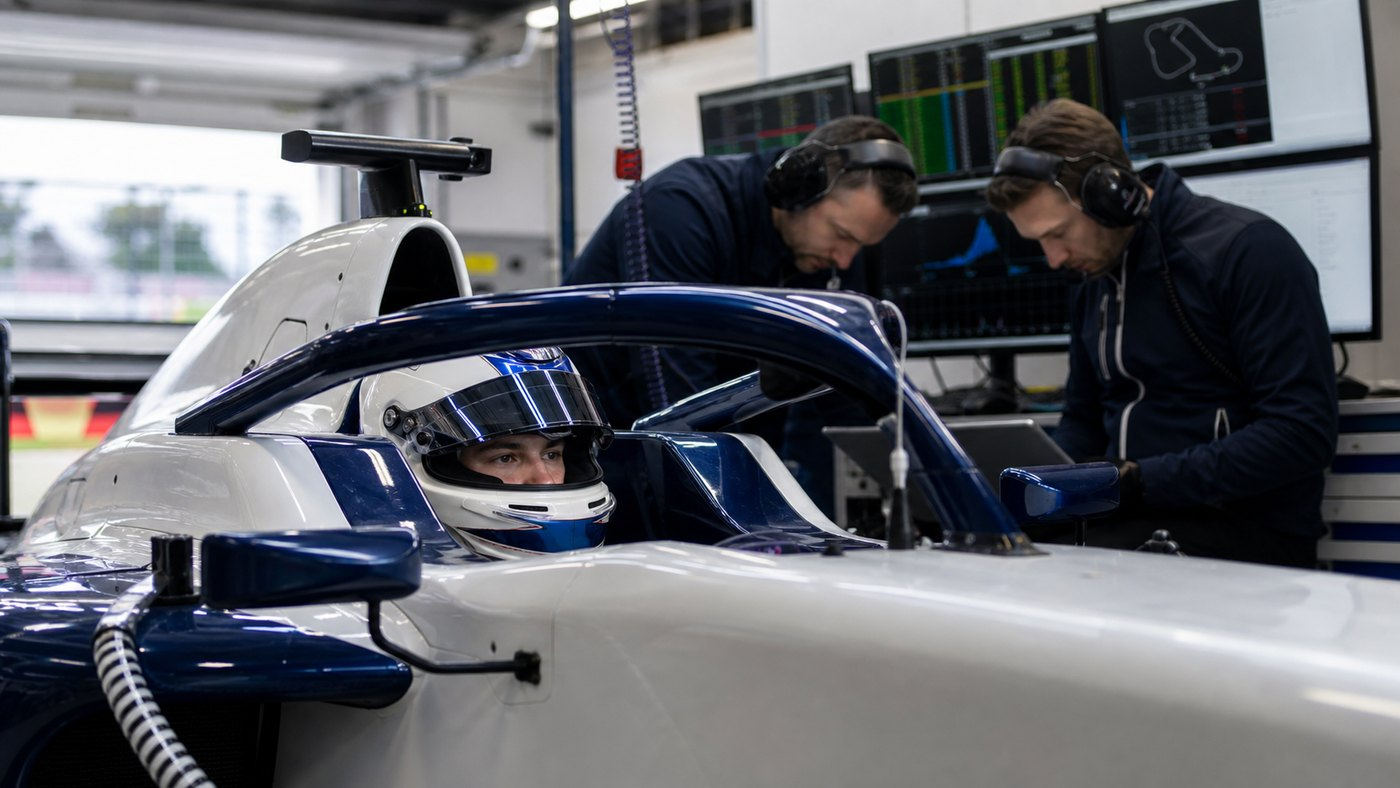
Austria Creates a Different Challenge
The Red Bull Ring produces short lap times and small gaps between competitors. Its heavy braking zones, elevation changes, and limited number of corners place a premium on confidence and precision.
Browning will enter the Austrian weekend with fresh knowledge from Barcelona, but the track will demand a different approach. Traffic management becomes especially important because a small interruption can compromise a large percentage of the lap.
The two-event sequence gives Williams a useful comparison. Barcelona can highlight long-corner balance and aerodynamic confidence, while Austria can reveal braking stability, traction, and the driver’s ability to build speed rapidly.
A Strong Junior Record Behind the Promotion
Browning finished fourth in the 2025 Formula 2 championship with Hitech GP. He collected nine podium finishes during the campaign and won the Monza Feature Race, strengthening his case for a larger Formula 1 role.
For 2026, the Briton moved to Japan’s Super Formula series with Team Kondo Racing. He has already recorded a best finish of fourth, adding experience in another high-performance single-seater with different tyres, circuits, and working methods.
That combination of Formula 2 results, Super Formula mileage, simulator work, and previous FP1 appearances gives Williams a substantial amount of information on his development.
What the Sessions Mean for Browning’s Future
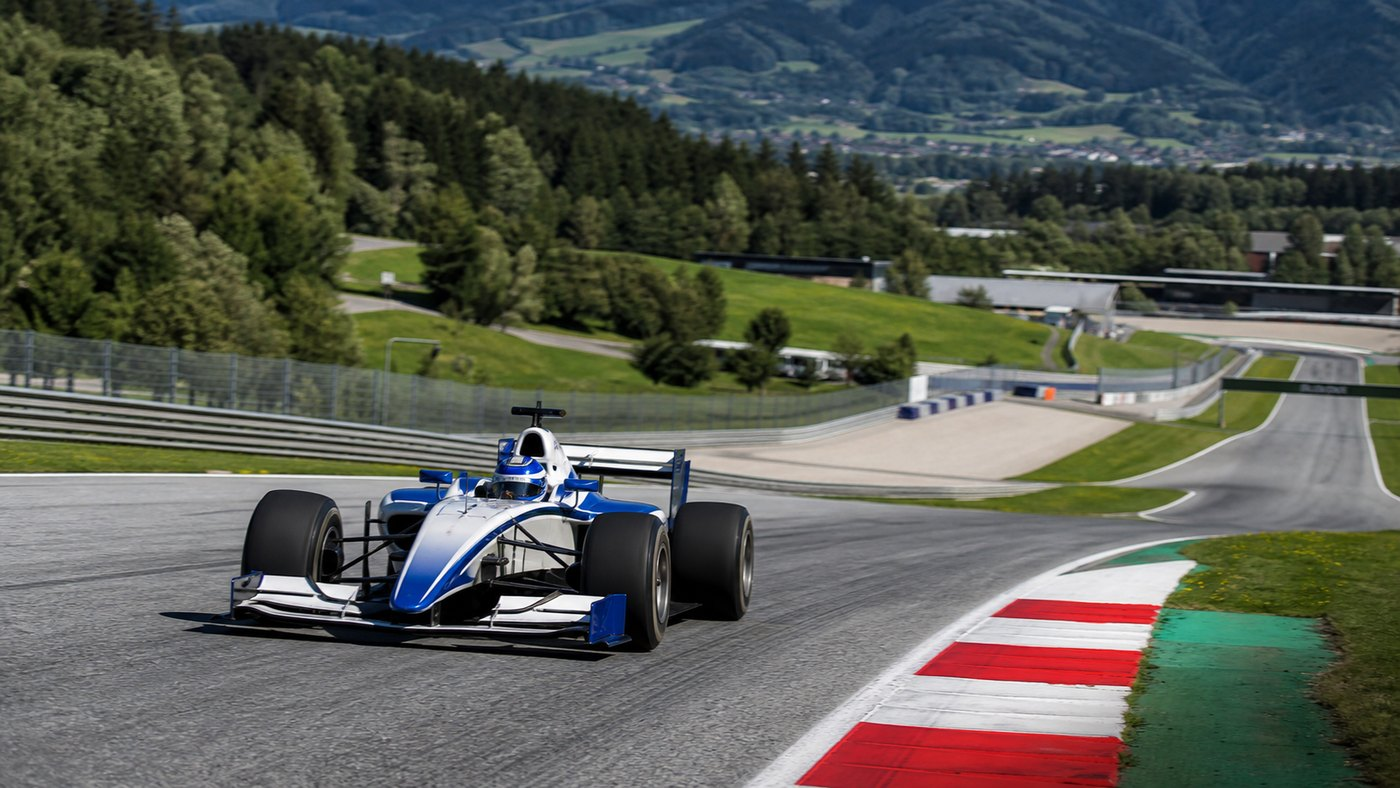
Williams has described the two practice outings as a natural next step. For Browning, the immediate objective is to support the race team, execute its program, and deliver useful technical information. At the same time, every clean F1 session strengthens his experience and demonstrates his readiness for greater responsibility.
The team already knows his simulator work and has observed him during several Grand Prix weekends. Barcelona and Austria now provide a chance to measure further progress in the FW48 under real track conditions.
There is no guarantee that the sessions will lead directly to a race seat, but they are an important part of Browning’s development path. Two consecutive FP1 appearances will give both driver and team a clearer picture of where he stands and what he must improve next.
No Comments