
Fernando Alonso’s relationship with the Spanish Grand Prix has always carried a different weight. Barcelona is not just another race on the calendar for him. It is the place where home support, long memories, and the reality of a long Formula 1 career meet in one weekend.
The build-up to this year’s Barcelona race has again placed Alonso’s future and motivation under the spotlight. That is natural. Few drivers remain so competitive so deep into a career, and even fewer still speak about racing with the same hunger after so many seasons at the top level.
For Aston Martin, the home race is also a chance to measure progress in public. Alonso can lift a weekend through experience and execution, but Barcelona still demands car performance. Sentiment cannot hide balance problems, tyre degradation, or a lack of straight-line speed.
Why Barcelona means more for Alonso
Home races are complicated for drivers. They bring energy, but they also bring more interviews, more attention, and more expectation. Alonso has handled that environment for years, which is one reason the Spanish crowd remains such an important part of his story.
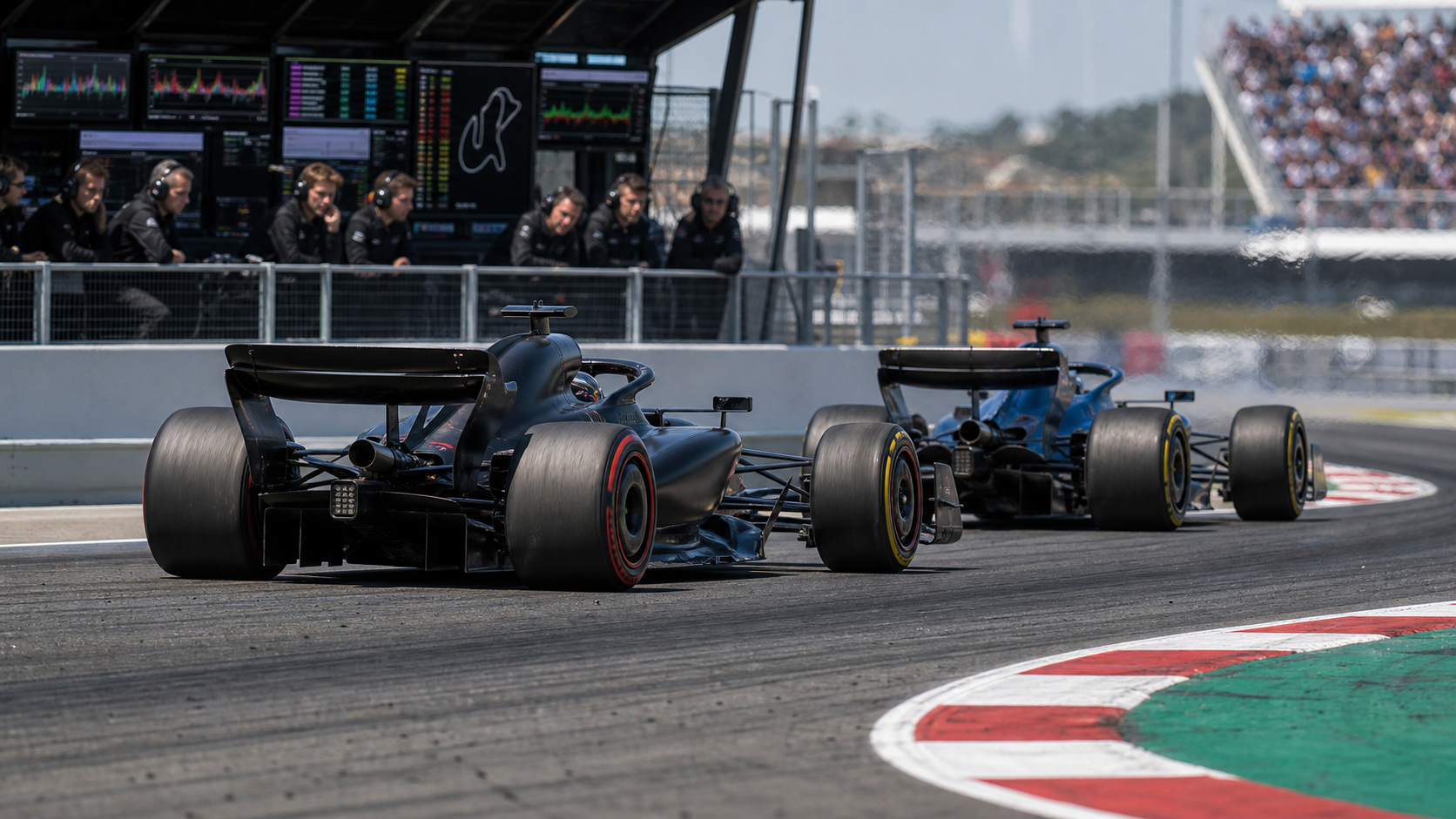
Barcelona also has technical meaning. It is a circuit where a driver can feel whether the car is connected. Fast corners expose hesitation, slower sections punish poor traction, and the long run to Turn 1 makes race starts important. Alonso’s experience is useful here because he can separate emotional noise from practical performance needs.
That matters for Aston Martin. The team needs clear feedback as much as it needs inspiration. Alonso can still provide both, but the car must give him enough room to fight.
The hunger question
Alonso’s motivation is often discussed because his career has already covered several eras of Formula 1. Yet the more useful question is not whether he still wants to race. It is whether the competitive environment gives him reasons to believe a strong result is possible.
Drivers of Alonso’s experience do not need every weekend to be perfect. They need a car that responds to their input and a team that can improve. When those pieces are present, experience becomes an advantage. When they are missing, even an elite driver can only limit the damage.
Barcelona should therefore be judged on more than finishing position. Watch whether Aston Martin can give Alonso a stable balance in practice, whether the car keeps tyres alive, and whether strategy gives him a chance to attack instead of defend all afternoon.
Key signs to watch
- Alonso’s long-run pace compared with the edge of the points group.
- Aston Martin’s tyre degradation across the middle sector and final sector.
- Whether qualifying pace is strong enough to avoid traffic early in the race.
- How the team reacts if track temperatures rise between practice and the Grand Prix.
Experience still matters
Modern F1 is heavily technical, but racecraft has not disappeared. Alonso remains one of the clearest examples of a driver who can read a race while driving it. He knows when to preserve tyres, when to force another driver into a weak exit, and when a defensive line is worth sacrificing a little lap time.
That skill can matter at Barcelona. If the Aston Martin is not fast enough to run at the front, Alonso may still create value through positioning, starts, safety car timing, and tyre management. Those details are not always dramatic, but they decide points on weekends where the car is not among the quickest.
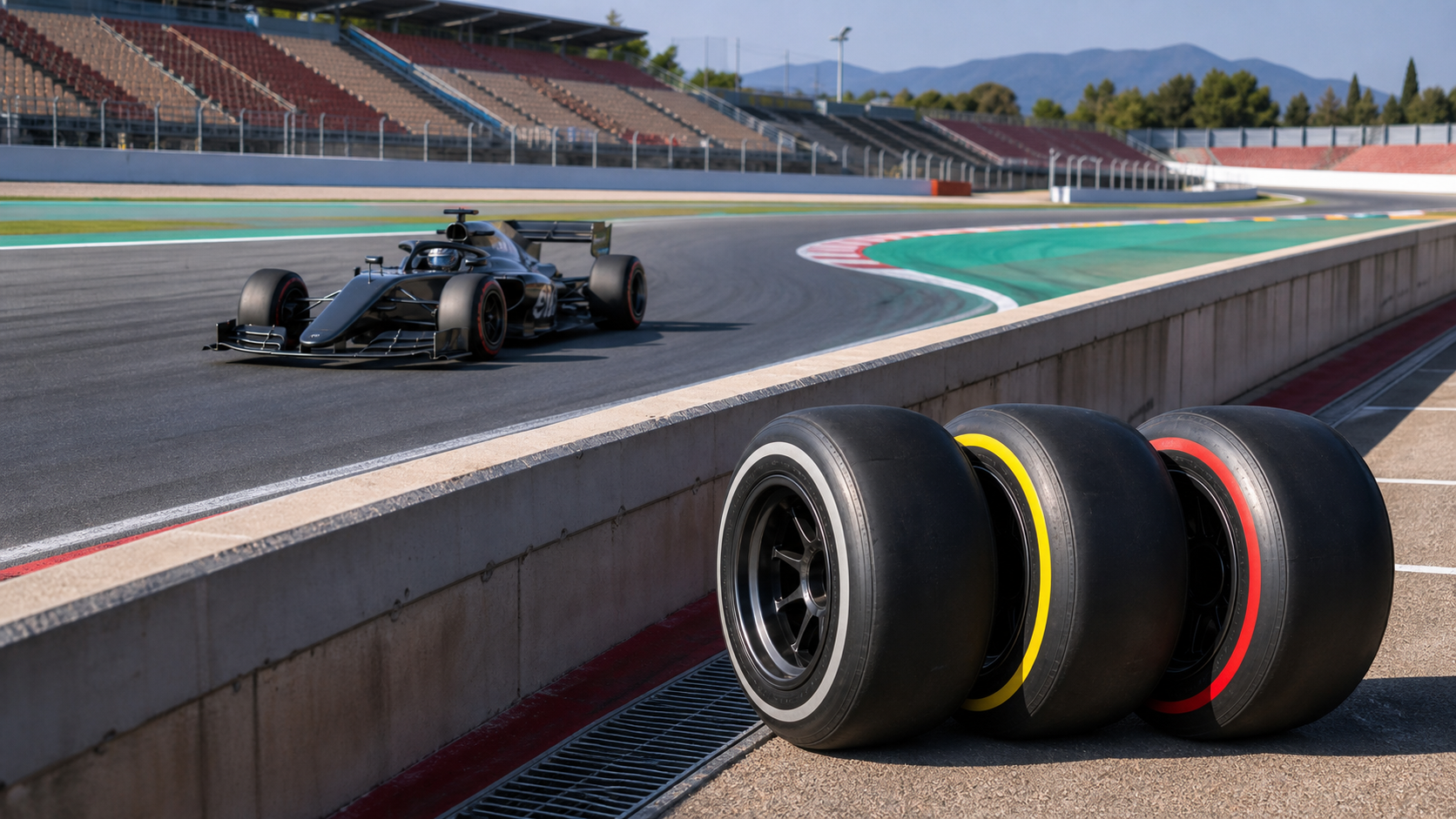
The emotional side of the weekend should not be ignored either. A home crowd cannot add downforce, but it can add pressure to rivals and energy to a driver who knows how to use it. Alonso has spent enough years in Formula 1 to turn that energy into focus.
The wider Aston Martin picture
Aston Martin needs weekends that show direction. The team has had moments of promise, but the development race in Formula 1 moves quickly. Barcelona is a useful checkpoint because it reveals weaknesses that can be hidden elsewhere.
If the car works through the circuit’s longer corners, the team can take confidence into future races. If it struggles again with balance or tyre life, the result will underline how much work remains. Alonso’s feedback after the weekend may be as important as the points total.
For a broader look at the race schedule and conditions, see our Barcelona GP guide.
Conclusion
Alonso’s Barcelona weekend is about more than nostalgia. It is a live test of hunger, experience, and Aston Martin’s current level. The crowd will make the race feel special, but the circuit will still give a hard technical answer.
If Aston Martin can give Alonso a car with stability and usable tyre life, the Spanish Grand Prix can become more than a home farewell mood. It can become another reminder that experience still has value when the machinery allows it to matter.


No Comments